
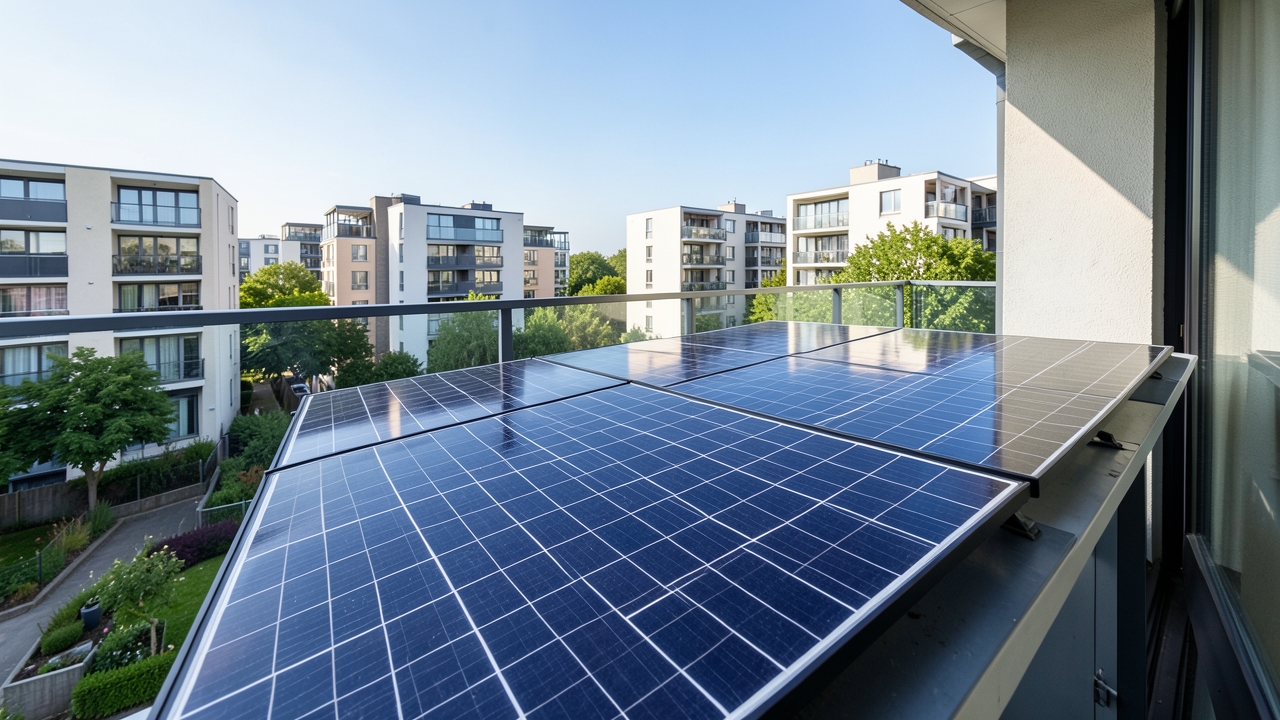
Planning permission solar panels on balconies have become a hot topic for UK flat owners in 2026. With energy costs rising and sustainability goals in focus, many residents wonder if they can install solar panels without bureaucratic hassle. Fortunately, there are clear rules, but they depend on various factors. This guide explains what you need to know about planning permission for solar panels on your flat balcony.
Do You Need Planning Permission for Balcony Solar Panels?
In the UK, solar panels often fall under Permitted Development rights. This means you might not need planning permission for certain installations. However, these rights come with conditions, and balconies in flats add complexity. For example, your property type and location can affect the rules. Therefore, it’s crucial to check your specific situation before proceeding.
Permitted Development Rights for Solar Panels
Permitted Development allows solar panels on residential buildings without planning permission, under certain conditions. For flat owners, this typically applies to panels installed on roofs or external walls. But balconies are often considered part of the building’s exterior. In addition, the panels must be attached to the building, not freestanding. Furthermore, they should not extend more than 200mm from the wall or roof surface. This rule helps preserve the building’s appearance and safety.
For example, small balcony solar kits in 2026 often weigh under 15kg per panel. They use lightweight mounts to avoid structural issues. However, larger systems might require building regulations approval. On the other hand, if your flat is in a Conservation Area or a Listed Building, Permitted Development rights may not apply. Consequently, you would need to apply for planning permission from your local authority.
When Planning Permission is Required
Planning permission solar panels are mandatory in several scenarios. First, if your building is in a designated area like a National Park, World Heritage Site, or Conservation Area, you need permission. Second, for flats, if the balcony installation affects the building’s exterior materially, it might require approval. For instance, drilling into load-bearing walls or altering shared spaces can trigger this requirement. Third, if you live in a Listed Building, even small changes need consent.
Additionally, leasehold properties often have extra hurdles. Your freeholder or management company might have clauses restricting modifications. Therefore, always check your lease agreement first. Meanwhile, the UK government’s Planning Portal provides detailed guidance on solar panel installations. It’s a trusted resource for understanding local variations.
Key Regulations and Guidelines for Flat Owners
Beyond planning permission, flat owners must consider other regulations. Building Regulations Part L deals with energy efficiency and structural safety. For balcony solar panels, you might need approval if the installation affects the building’s integrity. For example, adding weight to a balcony requires structural assessment. In 2026, typical balcony solar setups cost between £300 and £800, depending on size and quality. But ignoring regulations can lead to fines or forced removal.
Leasehold vs Freehold Considerations
If you own a freehold flat with a private balcony, you have more control. However, you must still adhere to planning rules. For leasehold flats, the process is more complex. Your lease might state that external modifications require written consent from the freeholder. For instance, many management companies in the UK charge fees for reviewing such applications. Therefore, budget for potential administrative costs. Furthermore, shared balconies in blocks of flats need agreement from all residents or the management company.
Building Regulations Part L
Building Regulations Part L focuses on conserving fuel and power. For solar panels, this means ensuring the installation doesn’t compromise energy efficiency. In practice, balcony solar panels are exempt from Part L if they are under certain thresholds. However, for systems over 5kW, you might need notification to Building Control. Moreover, electrical safety is governed by Part P. Any solar installation should be done by a certified professional, like an MCS-accredited installer. This ensures compliance and safety.
For more details on solar panel types, check our guide on best balcony solar panels in the UK. It covers options suitable for flat living.
Costs and Benefits of Balcony Solar Panels in 2026
Balcony solar panels offer significant benefits in 2026. They reduce electricity bills and carbon footprint. On average, a small balcony system generating 300W can save £50-£100 annually on energy costs. However, the initial investment is key. Prices for plug-and-play kits range from £200 to £600. In addition, the UK government’s Smart Export Guarantee (SEG) pays you for excess energy exported to the grid. This can boost savings further.
Consequently, many flat owners find the investment worthwhile. But remember, if planning permission is required, it can add £100-£300 in fees. Therefore, factor this into your budget. For a broader look at renewable tech, see our article on home EV chargers, which complements solar energy use.
How to Check and Apply for Planning Permission
To determine if you need planning permission, start by contacting your local planning authority. Most councils in the UK offer online tools for pre-application advice. This service often costs £0-£100 but can save time. Furthermore, use the UK government’s GOV.UK portal to understand permitted development rules. It provides clear, up-to-date information.
If you need to apply, complete the planning permission application via the Planning Portal. The fee for householder applications in 2026 is typically £206. However, for flats, it might vary based on building type. After submission, the authority usually decides within 8 weeks. Meanwhile, prepare necessary documents like site plans and photographs. In addition, engage with your neighbours early to avoid disputes. For tips on installation, refer to our DIY solar panel installation guide.
Conclusion: Navigating Solar Panels for Flats in 2026
In summary, planning permission solar panels on balconies often don’t require approval under Permitted Development, but exceptions exist. Flat owners must check lease terms, building regulations, and local rules. With costs between £300-£800 for setups and potential savings of £50-£100 yearly, the benefits are clear. However, always prioritise compliance to avoid issues. If you’re considering balcony solar panels, consult your local authority or a certified installer first. Have you had experience with solar installations in a flat? Share your thoughts or questions below!
Balcony Solar Savings Calculator
See your annual savings, export income and payback time — free, no sign-up.