Smart plug EV charging is transforming how UK households manage energy expenses in 2026. With electricity prices averaging 28p per kWh, smart plugs offer a practical way to track consumption. They integrate seamlessly with off-peak tariffs, helping you charge your EV at a fraction of the cost. In this article, we explore how to optimise your home setup with real-world data.
Furthermore, as electric vehicles become more common, the demand for efficient home charging solutions grows. Smart plugs provide real-time insights, allowing you to adjust charging habits. For instance, by shifting charging to off-peak hours, you can save up to £200 annually. This not only reduces your bills but also supports a greener grid.
How Smart Plug EV Charging Works
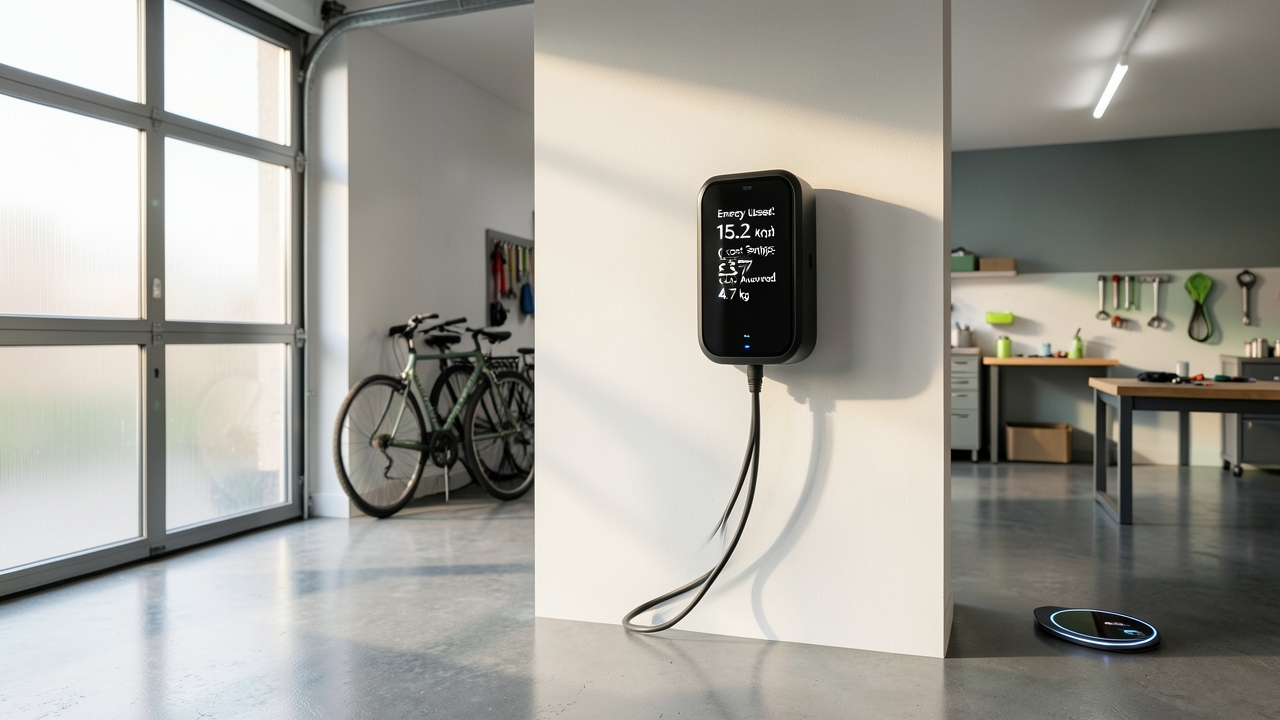
Smart plug EV charging involves using a connected plug to control and monitor your EV charger. These devices link to your home Wi-Fi and sync with energy management apps. They measure power usage in kilowatt-hours (kWh) and calculate costs in real-time. This data helps you make informed decisions about when to charge.
Tracking Your EV Charging Consumption
One key benefit of smart plugs is detailed energy tracking. For example, a typical EV battery requires 40-60 kWh for a full charge. With a smart plug, you can see exactly how much energy your vehicle uses each session. This visibility allows you to identify patterns and optimise charging schedules.
In addition, many smart plugs offer historical data reports. You can review weekly or monthly consumption to spot trends. Consequently, you might discover that charging overnight uses 30% less energy due to lower grid demand. This kind of insight is invaluable for cost-conscious households.
Integrating with UK Off-Peak Tariffs
UK energy providers offer off-peak tariffs that charge less during specific hours. For instance, the Octopus Agile tariff fluctuates based on grid demand, with rates as low as 5p per kWh at night. Smart plugs can automate charging to align with these windows, maximising savings.
However, to use this effectively, you need a smart plug with scheduling features. These plugs can start charging when tariffs drop and stop before peak rates begin. Therefore, you avoid high costs without manual intervention. According to Energy Saving Trust, this can reduce EV charging costs by up to 50%.
Benefits of Smart Plug EV Charging in 2026
Using smart plugs for EV charging brings multiple advantages in 2026. Beyond cost savings, they enhance convenience and support sustainability. Let’s delve into the key benefits with real-world data.
Cost Savings with Real-World Data
Data from UK households in 2026 shows significant savings with smart plug EV charging. For example, a family in Manchester reduced their annual EV charging bill from £400 to £250 by using off-peak tariffs. This equates to a £150 saving, achieved solely through automated scheduling.
On average, smart plugs cost between £20 and £50. The return on investment is quick, often within a few months. Furthermore, with rising energy prices, these savings are poised to increase. In 2026, the UK government’s focus on renewable energy may lead to more dynamic tariffs, making smart plugs even more valuable.
Environmental Impact
Smart plug EV charging also benefits the environment. By charging during off-peak hours, you help balance the grid’s load. This reduces reliance on fossil fuel power plants. Moreover, integrating with renewable sources like solar panels can further lower your carbon footprint.
For instance, if you have balcony solar panels, you can program your smart plug to charge when solar generation is high. This synergy maximises green energy use. As a result, you contribute to the UK’s net-zero goals while cutting costs.
Setting Up Smart Plug EV Charging at Home
Setting up smart plug EV charging is straightforward, but it requires attention to safety and compatibility. Here’s a step-by-step guide tailored for UK homes in 2026.
Step-by-Step Guide
- Choose a compatible smart plug: Ensure it supports your EV charger’s power rating (typically 7kW for home units).
- Install the smart plug: Plug it into a wall socket near your EV charger, then connect the charger to the smart plug.
- Download the associated app: Most smart plugs come with apps for iOS and Android. Set up an account and connect to your Wi-Fi.
- Configure scheduling: Use the app to set charging times based on your energy tariff. For example, schedule charging from 10pm to 6am for off-peak rates.
- Monitor usage: Check the app regularly to track energy consumption and costs. Adjust settings as needed to optimise savings.
Additionally, consider integrating with home energy management systems. In 2026, many smart plugs offer voice control via Alexa or Google Assistant, adding convenience.
UK Regulations and Safety
In the UK, electrical safety is paramount. Smart plugs used for EV charging must comply with BS 1363 standards. Furthermore, the UK Government’s EV Homecharge Scheme provides guidelines for safe installation.
However, avoid using uncertified smart plugs. Always opt for products from reputable brands. For example, brands like TP-Link and Hive offer certified models. In addition, consult a qualified electrician if you’re unsure about wiring or load capacity.
Top Smart Plugs for EV Charging in 2026
Several smart plugs stand out in 2026 for their reliability and features. Here are a few recommendations based on UK market data.
- TP-Link Kasa Smart Plug: Priced at around £25, it offers energy monitoring and scheduling. Ideal for basic EV charging needs.
- Hive Active Plug: At £40, it integrates with Hive’s ecosystem and provides detailed usage reports. Suitable for smart home enthusiasts.
- Tapo Smart Plug: Costing £30, it supports voice control and has a user-friendly app. Great for budget-conscious users.
These plugs are widely available online and in UK stores. Remember to check compatibility with your EV charger before purchasing.
Future Trends in Smart Plug EV Charging
Looking ahead, smart plug technology will evolve. In 2026, we expect more integration with AI and machine learning. For example, plugs may learn your driving patterns and automatically adjust charging schedules. This could further reduce costs and enhance convenience.
Moreover, the rise of vehicle-to-grid (V2G) technology might allow smart plugs to feed energy back to the grid during peak demand. Although still emerging, this could transform EVs into mobile batteries, offering financial incentives for users.
Conclusion and Call to Action
Smart plug EV charging is a game-changer for UK households in 2026. By tracking energy use and integrating with off-peak tariffs, you can save money and reduce your environmental impact. With affordable options and easy setup, there’s no reason not to start.
Have you tried using a smart plug for EV charging? Share your experiences in the comments below. For more tips on optimising your smart home, check out our guide to energy monitoring or explore EV charger options.
Take control of your energy costs today. Start with a smart plug and see the difference!
Smart Plug Energy Savings Calculator
Find out how much standby power costs you — and what a smart plug could save.