
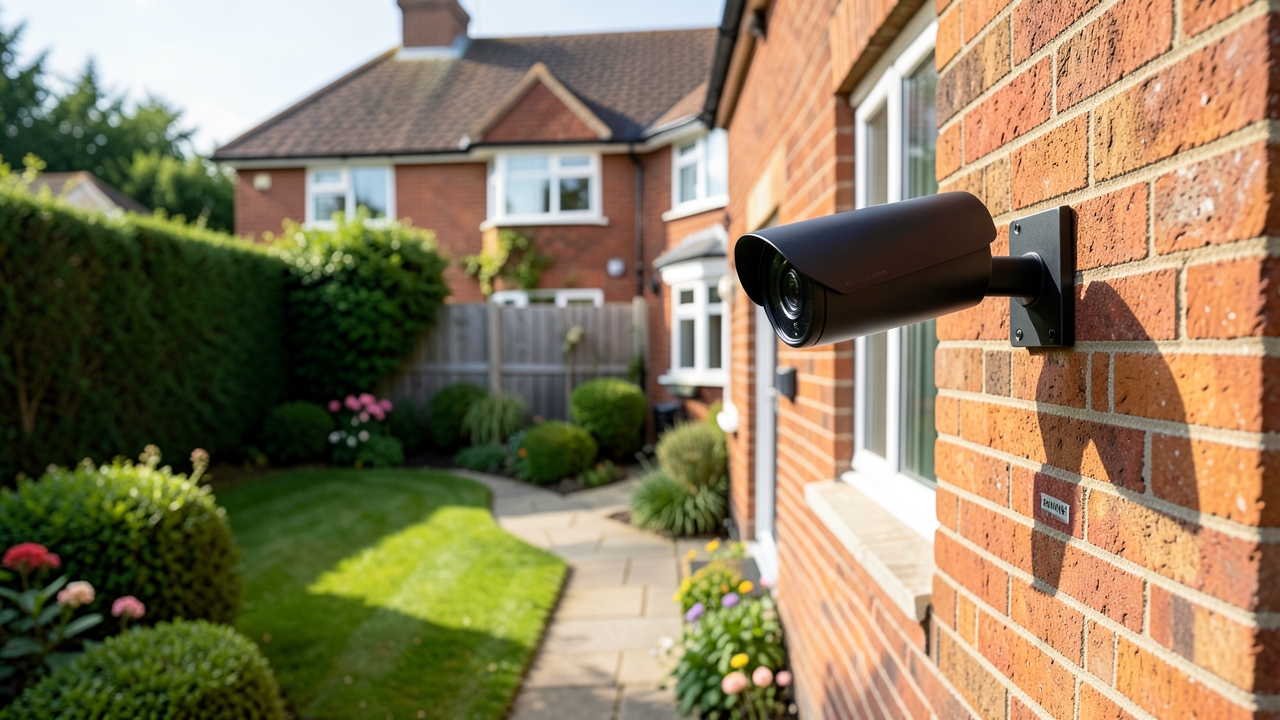
In 2026, UK homeowners installing smart security cameras must navigate strict GDPR regulations. GDPR smart cameras UK laws affect how you place, store, and share footage. This guide covers everything you need to know to stay compliant and avoid hefty fines. We will explore practical steps for camera placement, data retention, and communicating with neighbours.
Understanding these rules helps you protect your home without breaking the law. Furthermore, non-compliance can lead to significant penalties. Therefore, let us delve into the key areas of UK data protection for home security.
Understanding GDPR and Smart Security Cameras in the UK
The General Data Protection Regulation (GDPR) is a UK and EU law designed to protect personal data. In the UK, the Information Commissioner’s Office (ICO) enforces these rules. GDPR applies to any data that can identify a person, including video footage from cameras.
What is GDPR and Why It Matters for Homeowners
GDPR gives individuals control over their personal data. As a homeowner with a smart camera, you become a data controller. This means you must handle footage responsibly. For example, you cannot record areas where people have a reasonable expectation of privacy.
Consequently, even home security systems fall under these regulations. The UK GDPR, retained after Brexit, mirrors the EU version but is enforced by the ICO. Fines for breaches can be severe, so awareness is crucial.
Why Smart Cameras Are Affected
Smart cameras capture images and sounds that often identify individuals. This data is protected under UK law. Furthermore, if your camera records neighbours, passers-by, or delivery drivers, you have legal obligations.
Therefore, homeowners must consider privacy from the outset. Installing a camera without thought can lead to complaints or fines. On the other hand, following guidelines ensures your system benefits everyone.
GDPR Smart Cameras UK: Legal Placement Guidelines
Proper camera placement is fundamental to GDPR compliance. You must avoid filming areas beyond your property. In addition, consider how your camera angle affects others’ privacy.
Avoiding Public Spaces and Neighbour’s Property
Pointing your camera directly at a neighbour’s garden or windows violates GDPR. For example, a camera that captures a neighbour’s patio routinely intrudes on their privacy. Similarly, filming public pavements or roads may require justification under the law.
The ICO advises that cameras should primarily cover your own property. If your camera captures a public area, you must have a valid reason, such as deterring crime. However, this must be proportionate and not excessive.
Signage and Transparency Requirements
Transparency is a core GDPR principle. You should display clear signs indicating CCTV is in operation. This informs visitors and passers-by that recording may occur. A simple sign like “CCTV in use for security” suffices.
Furthermore, signage must be visible and placed near camera locations. This helps maintain trust with neighbours and the community. As a result, many disputes can be avoided through open communication.
For more tips on smart home devices, check our guide on smart home security systems.
Data Storage and Retention Under UK GDPR
Once you record footage, you must manage it securely. UK GDPR has strict rules on how long data can be kept. Improper storage can lead to data breaches or fines.
How Long Can You Store Footage?
Retain footage only for as long as necessary. For home security, 30 days is often considered reasonable. After this period, delete the footage unless it is needed for an incident.
For instance, if an incident occurs, you may keep relevant footage longer for police reports. However, routine deletion prevents unnecessary data accumulation. Consequently, set your system to auto-delete after 30 days.
Secure Storage Solutions
Use encrypted storage options, whether cloud-based or local. Cloud services should offer end-to-end encryption. Local devices, like NVRs, should be secured with strong passwords.
In addition, ensure your Wi-Fi network is protected with WPA3 encryption. A breach of your camera system could expose personal data. Therefore, invest in reputable brands that prioritise security.
Learn more about securing your devices in our article on protecting smart home data.
Neighbour Notifications and Communication
Good relations with neighbours are vital. If your camera might capture their property, inform them proactively. This is not always legally required but is best practice.
Best Practices for Informing Neighbours
Start with a friendly conversation or letter. Explain why you are installing the camera and what it will capture. Offer to adjust the angle if they have concerns.
For example, a brief note saying, “I am installing a security camera for safety. It may view your drive. Please let me know if you have concerns,” can prevent issues. Furthermore, document these communications for your records.
As a result, many neighbours appreciate the transparency and may even support your efforts. However, if disputes arise, the ICO can provide advice.
Fines and Penalties for Non-Compliance
Non-compliance with GDPR can result in severe penalties. The ICO has the power to issue fines based on the severity of the breach. For homeowners, this can be financially damaging.
What Are the Risks and Fines?
Fines under UK GDPR can reach up to £17.5 million or 4% of a company’s global annual turnover, whichever is higher. For individuals, fines are typically lower but can still be thousands of pounds. For example, a homeowner might face a fine of £1,000 to £10,000 for serious breaches.
Furthermore, the ICO may issue warnings or reprimands for minor issues. However, repeated or intentional violations attract harsher penalties. Consequently, it is essential to comply from the start.
In addition to fines, you may face legal action from neighbours. This can lead to compensation claims. Therefore, prioritise GDPR compliance to avoid all these risks.
For official guidance, refer to the ICO’s CCTV guidance. They provide detailed information on lawful filming.