
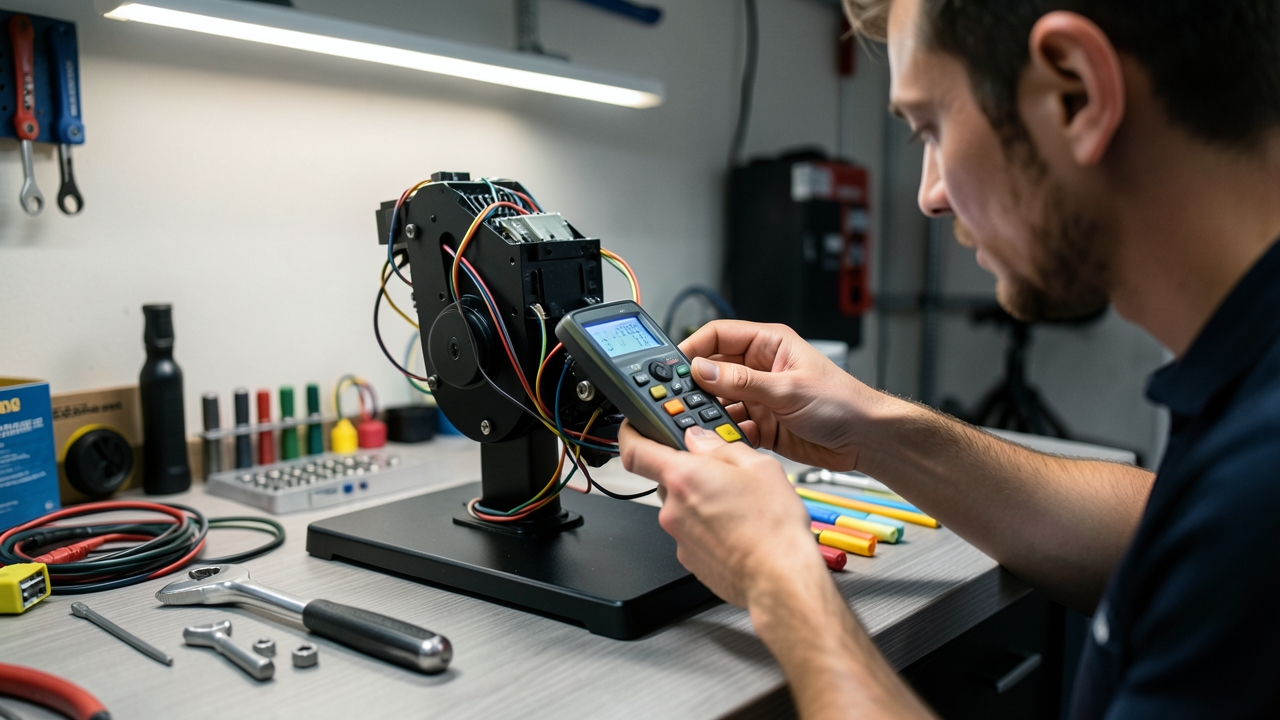
Converting your bicycle with an electric kit is a fantastic way to join the e-bike revolution affordably. However, a poorly chosen or incorrectly installed kit can turn your ride into an illegal vehicle. Ensuring your UK road legal e-bike meets all regulations is not just about avoiding fines; it’s fundamentally about safety. This guide walks you through the complete verification process for 2026.
The UK defines an Electrically Assisted Pedal Cycle (EAPC) strictly. If your bike exceeds the legal limits, it legally becomes a moped. That means you need a licence, insurance, and it must be taxed and registered. Therefore, following these steps is crucial before you ride.
Step 1: Understanding the 2026 EAPC Legal Framework
First, you must know the precise rules. The Department for Transport’s guidelines on EAPCs, which can be found on GOV.UK, set the boundaries. For your converted e-bike to be road legal without a licence, it must meet all of the following criteria:
- The motor’s continuous rated power must not exceed 250 watts (W).
- The motor must cut out completely at 15.5 miles per hour (mph). Assistance above this speed is prohibited.
- The e-bike must be propelled by pedals alone when the motor is not providing assistance.
- The rider must be at least 14 years of age.
Furthermore, the motor should not be capable of being modified to exceed these limits without specialist tools. The bike must also weigh no more than 40kg, including the battery. Consequently, a heavy downhill mountain bike with a conversion kit might push this limit.
Step 2: Verifying Your Conversion Kit’s Wattage
The 250W limit is often misunderstood. The figure refers to the motor’s continuous rated power, not its peak output. Many kits advertise a “750W” or “1000W” motor. This is its peak power. The continuous rated power is lower. You must check the manufacturer’s specific documentation.
For example, a popular mid-drive kit might list a “peak power of 800W” but a “continuous power of 250W” in its fine print. If the paperwork doesn’t explicitly state a continuous power of 250W or less, the kit is likely illegal for UK road use. Therefore, before purchasing, always ask the seller for the official EAPC compliance certificate.
If you already own a kit, you can find this information on the motor’s data plate or in the instruction manual. As a result of stricter enforcement in 2026, some retailers now clearly label kits as “UK EAPC Legal” or “Off-Road Only”.
Step 3: Conducting a Practical Speed Cut-Out Test
The speed limit test is practical and easy to perform. You will need a bike with the conversion fully installed and a reliable way to measure speed. A GPS speedometer app on your smartphone is perfect for this.
Find a safe, flat, and private area like an empty car park. Begin pedalling and engage the motor. Accelerate gently. The motor should provide assistance up to approximately 15.5 mph (25 km/h). After that point, you should feel the assistance cut out completely. The bike should then feel like a normal, non-electric bicycle. If the motor continues to push you above this speed, the speed limiter is not functioning correctly. In that case, you must adjust it or seek help from a professional.
This is one of the most commonly failed aspects of DIY conversions. Furthermore, some kits come with speed limiters that need to be programmed using a companion app. Double-check the settings before your first road test.
Step 4: Assessing Safety and Compliance Features
Beyond power and speed, the bike must have working pedals. It must be possible to propel it by human power alone. Therefore, ensure your bottom bracket and crankset are fully functional.
Standard UK road bicycle rules also apply. Your converted e-bike must have front and rear lights (white front, red rear) if riding in the dark. It must also have a red rear reflector. Brakes must be in good working order. In addition, fitting a bell is a legal requirement on all cycles used on UK roads.
A high-quality conversion from a reputable supplier will often come with compliant components. For instance, kits from specialists like Smart Home Tech UK’s e-bike conversion range are designed with UK law in mind, often including the necessary speed limiters and controllers. If you’re unsure about installation, our guide on installing your e-bike conversion kit covers best practices.
Step 5: Final Verification and Insurance
Once you’ve verified the technical specifications, perform a final walk-around check. Confirm the battery is securely mounted and the wiring is tidy and not a snag hazard. The total weight with the battery should ideally be under 40kg.
While insurance isn’t legally mandatory for EAPCs, it is highly recommended. Specialist e-bike insurance is available and can cover theft, accidental damage, and third-party liability. As a result, it provides valuable peace of mind. The cost is typically between £50-£100 per year, depending on your bike’s value.
Common Mistakes to Avoid
Many riders fall foul of the rules through simple oversights. Here are the most frequent pitfalls:
- Buying an Off-Road Kit: Many high-powered kits are sold for “off-road use only”. These are never road legal. Always check the product description.
- Ignoring the Weight Limit: A heavy bike frame plus a large battery can easily exceed the 40kg limit, making the bike a moped.
- Faulty Speed Limiter: An incorrectly set or faulty limiter is the fastest way to break the law. Test it rigorously.
- Using a Throttle Without Pedal Assist: A pure throttle, with no requirement to pedal, is not permitted on an EAPC. The bike must be pedelec-only.
The consequences of riding a non-compliant bike can be severe. According to reporting by the BBC, police forces across the UK have increased crackdowns on illegal e-bikes and e-scooters. Fines can reach £300, and points can be added to a driving licence.
Your Checked and Legal Ride
Taking the time to verify your conversion ensures you enjoy all the benefits of an e-bike without the legal risk. It means you can ride confidently in bike lanes, on roads, and across bridleways. A properly built UK road legal e-bike is a sustainable and efficient mode of transport.
Did you follow this checklist when building your e-bike? Were there any specific challenges you encountered? Share your experiences and tips in the comments below to help fellow riders!