
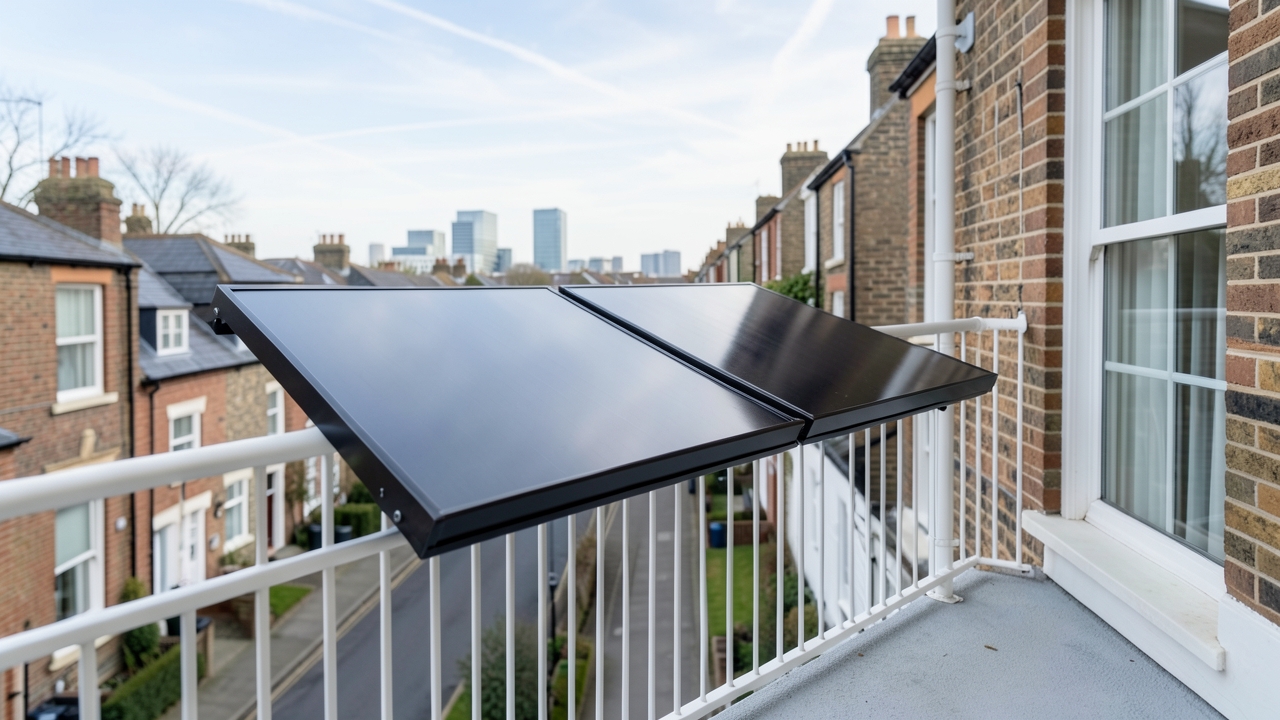
For years, residents of flats and terraced houses in the UK have looked at their balconies and wished they could harness the sun’s power. The good news for 2026 is that new regulatory clarity makes this wish more achievable than ever. Understanding the updated UK planning permission solar panels rules is now the essential first step for thousands of households looking to cut their energy bills and carbon footprint.
The government has streamlined Permitted Development (PD) rights specifically for small-scale, plug-in solar kits. This means, for most installations, you will not need a formal planning application. However, this does not mean a free-for-all. There are strict compliance guidelines you must follow to avoid legal headaches and potential fines.
Understanding the 2026 Permitted Development Changes
In 2026, the updated Town and Country Planning (General Permitted Development) (England) Order 2026 now explicitly includes “micro-generation solar photovoltaic panels” as a permitted development for residential balconies. This is a significant shift, moving balcony solar from a grey area into a defined category.
The key criteria for a “plug-in solar kit” to qualify under these new PD rights are:
- Capacity Limit: The total installed capacity must not exceed 3.68 kW per dwelling. For a typical balcony panel rated at 400W, this allows for a maximum of 9 panels. Most balcony kits range from 800W to 1.5kW, comfortably within this limit.
- Mounting and Fixing: Panels must be mounted on a balcony railing or structure and must not extend more than 200mm beyond the building line. They must not alter the balcony’s structure or require penetrating the external wall of the building.
- Visual Impact: The installation must not be detrimental to the appearance of the building or the local area. This is a common point of contention with managing agents.
- No Alteration to Dwelling: The system should be a standalone, plug-in setup that connects to an internal socket, not hardwired into the consumer unit. This is the defining feature of a “kit”.
Crucial Distinction: Freehold vs. Leasehold
Furthermore, your property tenure dictates your next steps. If you own a freehold terraced house, you are generally free to comply with these PD rights. If you live in a leasehold flat, you need the freeholder’s or managing agent’s consent. The 2026 guidelines state that a reasonable request for permission cannot be unreasonably withheld, provided you meet all PD criteria. It is, however, a vital step you must not skip.
A Step-by-Step Guide to Compliant Installation
Follow these steps to ensure your balcony solar panel installation is fully compliant with UK planning permission solar panels regulations in 2026.
1. Confirm Your Property’s Eligibility
Check your property’s planning history. A quick search on your local council’s planning portal can confirm if your home is in a conservation area or is a listed building. Both would likely revoke your PD rights for any external alteration. For most standard homes, you are eligible.
2. Notify Your Freeholder or Managing Agent
For leasehold properties, prepare a formal request. Include the manufacturer’s specifications, a sketch of the proposed installation, and a clear statement that the system is a removable, plug-in unit with a capacity under 3.68 kW. For freeholders, informing your neighbours is a courteous step that prevents disputes.
3. Choose a Compliant Kit
Select a kit from a reputable supplier. Ensure the total wattage stays within the 3.68 kW limit. The mounting system must be designed for balcony railings without causing damage. Many systems use clamps that do not require drilling. Prices for a quality kit typically start from £400 for a 800W system and rise to £1,500 for a full 1.5kW setup with an integrated micro-inverter.
You can explore various balcony solar panel kits to find one that suits your balcony size and energy needs.
4. Installation and Electrical Safety
While the panels themselves are DIY-friendly, the electrical connection must be safe. The kit will plug into a standard UK 13A socket via an inverter. Ensure your socket is in good condition and consider having an electrician inspect your circuit if you plan to use multiple high-draw appliances. Never overload your circuit. For more on safety, see our guide to electrical safety for home renewable systems.
Why These 2026 Updates Matter for Balcony Owners
These regulatory updates are a game-changer. Previously, uncertainty deterred many. Now, with clear rules, adoption can surge. The Energy Saving Trust estimates that a 1.2kW balcony solar system in the UK can generate around 1,050 kWh of electricity per year. At current average electricity prices of 28p per kWh, this could save a household over £290 annually.
Consequently, the payback period for such a system has shortened to approximately 3-5 years, making it a compelling investment. As per GOV.UK guidance on alternative energy installations, streamlining permission for these small-scale technologies is key to the UK’s net-zero targets.
“The 2026 PD changes represent a pragmatic step forward, recognising that renewable energy generation is not the sole preserve of those with large, south-facing gardens. It democratises solar access for urban and high-density housing.”
Common Pitfalls and How to Avoid Them
Avoid these common mistakes to keep your installation trouble-free:
- Ignoring the Lease: Installing without freeholder consent is a breach of your lease. It could lead to legal action and a forced removal.
- Exceeding the Limit: Installing 10 panels instead of 9 pushes you over the 3.68 kW limit, requiring a full planning application.
- Poor Mounting: Using makeshift mounts that damage the balcony railing or building fabric will violate the “no alteration” rule and breach your lease.
- Forgetting Building Regulations: While planning is covered by PD, electrical safety falls under Part P of Building Regulations. Using a certified electrician for any hardwired connections is the safest path.
The Future is Bright for Balcony Solar
The 2026 updates to UK planning permission solar panels mark a decisive move towards accessible renewable energy. They provide a clear, legal framework for flat and terraced house owners to take control of their energy supply. By following the compliant steps—checking PD eligibility, securing freeholder consent for leaseholds, and installing a sub-3.68kW plug-in system—you can enjoy clean energy with peace of mind.
Are you a flat or terraced house owner considering the switch to balcony solar? What has been your experience with managing agents or freeholders? Share your thoughts or questions in the comments below!
Balcony Solar Savings Calculator
See your annual savings, export income and payback time — free, no sign-up.