
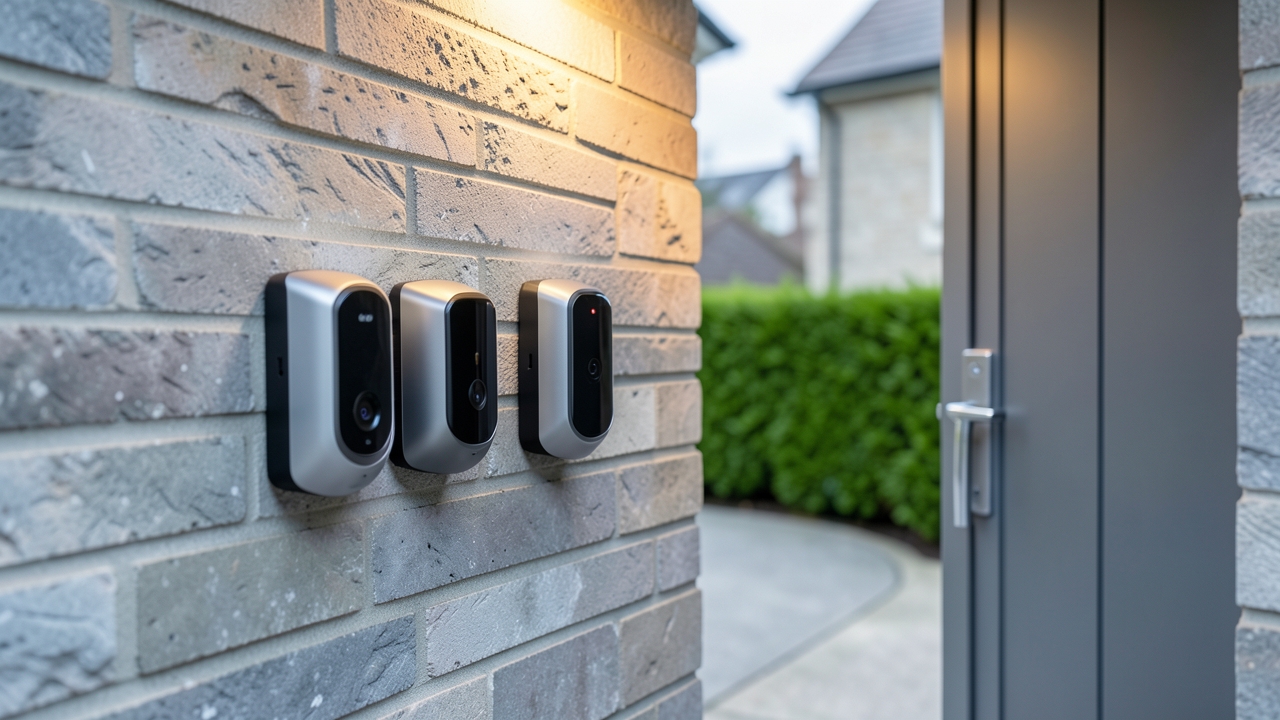
Ring, Eufy and Arlo all make genuinely good video doorbells. However, the sticker price tells you almost nothing about the true doorbell subscription costs UK households face over time. This guide adds up every pound across three full years.
We include hardware, cloud plans, VAT, microSD cards and replacement batteries. The result may surprise you. The cheapest doorbell on day one is not the cheapest in year three. Furthermore, the gap between the best and worst value options is roughly £110 per doorbell.
Why doorbell subscription costs UK households add up so fast
Most video doorbells are sold as hardware. In reality, you are buying into a service. Cloud recording, rich notifications and package detection usually sit behind a monthly or annual payment.
Stop paying and the doorbell still rings. Nevertheless, it stops recording. That is the single biggest hidden cost in the category. Consequently, your three-year total depends far more on the plan than on the box.
Three extra factors matter in the UK. First, batteries drain faster in a British winter. Second, VAT is baked into every consumer price. Third, cheap storage cards fail under constant writing. We cover all three below.
Upfront prices in 2026: what you pay on day one
These are typical UK street prices in November 2026, including 20% VAT. Sales knock 10 to 20% off, so shop around before committing.
- Ring Battery Doorbell (2nd gen): £89.99
- Ring Battery Doorbell Plus: £159.99
- Ring Wired Doorbell Pro 2: £219.99
- Eufy Video Doorbell C210: £99.99
- Eufy Video Doorbell E340 with HomeBase S380: £199.99
- Arlo Essential Wired: £129.99
- Arlo Essential Wire-Free: £179.99
Hardware is only the opening move. The plan you choose decides the rest. If you are still choosing a model, our guide to the best video doorbells for UK homes covers features and fitting in more detail.
Doorbell subscription costs UK buyers pay in 2026
Ring Protect
Ring sells two consumer tiers in the UK. Basic covers one doorbell and costs £4.99 a month or £49.99 a year. Plus covers unlimited devices at one address and costs £8.49 a month or £84.99 a year.
Pay annually and you save about 17%. Over three years, Basic on monthly billing costs £179.64. The annual plan costs £149.97. That is a £29.67 saving for doing nothing except clicking a different button.
Eufy Security Cloud (optional)
Eufy is the odd one out. The doorbell records to a HomeBase or a microSD card, so no plan is required. Furthermore, all features stay unlocked without paying.
Optional cloud backup starts at around £2.99 a month per camera. Most households simply skip it. Therefore Eufy’s three-year subscription total is £0.
Arlo Secure
Arlo Secure costs £4.49 a month or £44.99 a year for a single camera. The unlimited-camera tier is £12.99 a month or £129.99 a year. Three years on the single-camera annual plan comes to £134.97.
Be warned. Without a plan, an Arlo doorbell will not record anything at all. You get live view and push alerts, but no clips, no history and no evidence.
On subscription alone, Ring Protect Basic and Arlo Secure cost £135 to £150 over three years. Eufy costs nothing. That is the whole ball game.
VAT, price rises and the small print
Every price above includes 20% VAT, because UK consumer law requires it. A £49.99 Ring plan is really £41.66 plus £8.33 VAT. Businesses registered for VAT can reclaim that portion.
Importing is a false economy. Buy from a US retailer and you face 20% import VAT, possible duty and an £8 to £12 courier handling fee. On top of that, the warranty may not be honoured in Britain.
Both Ring and Arlo have raised UK plan prices in recent years. Therefore budget for a 5 to 8% annual increase. Over three years that adds roughly £15 to £25 to the totals below.
MicroSD cards: Eufy’s local storage advantage
Eufy doorbells record locally. That is cheap, private and unaffected by an internet outage. However, you must buy the right card.
Use a high-endurance card designed for continuous writing. A 128GB SanDisk High Endurance or Samsung PRO Endurance card costs £17 to £25. A 128GB card typically holds three to four weeks of clips for one doorbell.
Do not buy a bargain card. Cheap cards fail within months in constant-write devices, and a failed card means lost footage. In addition, the HomeBase S380 accepts a 2.5-inch hard drive up to 16TB if you want months of history.
Battery replacements and the British winter
Rechargeable doorbells are convenient, but lithium cells fade. Expect 300 to 500 charge cycles before capacity drops noticeably. In practice, that means a replacement every two to three years.
Cold weather makes it worse. Ring batteries can drop from three months per charge in summer to four to eight weeks in a January cold snap. More charging cycles mean an earlier replacement.
- Ring Quick Release Battery Pack: £29.99
- Arlo rechargeable battery: £49.99
- Eufy E340 built-in battery replacement: around £39
Charging energy is negligible. A full charge uses roughly 30Wh, so a year of charging costs pennies. Do not let anyone tell you otherwise.
The real three-year cost, compared
Here is the honest arithmetic. Each figure includes hardware, three years of the cheapest sensible annual plan, one microSD card where needed, and one battery replacement.
- Eufy Video Doorbell E340: £199.99 + £18.99 card + £39 battery = £257.98
- Arlo Essential Wired: £129.99 + £134.97 subscription = £264.96
- Ring Battery Doorbell (2nd gen): £89.99 + £149.97 + £29.99 battery = £269.95
- Ring Battery Doorbell Plus: £159.99 + £149.97 + £29.99 battery = £339.95
- Arlo Essential Wire-Free: £179.99 + £134.97 + £49.99 battery = £364.95
- Ring Wired Doorbell Pro 2: £219.99 + £149.97 = £369.96
None of these figures include professional installation. A wired doorbell with no existing transformer may need an electrician, which typically costs £80 to £150. Our Ring doorbell installation guide explains the wiring requirements.
Hidden costs most buyers miss
Several extras quietly inflate the bill. None of them appear on the product page.
- Multiple doorbells: two Ring devices on Basic cost £99.98 a year, so Plus at £84.99 is cheaper. Check before you subscribe.
- Chimes: a Ring Chime costs £29.99 and an Arlo Chime 2 costs £49.99. Eufy’s HomeBase chimes for free.
- Weak Wi-Fi: a front-door signal problem may need a Ring Chime Pro at £49.99 or a mesh node.
- Insurance: most UK insurers only discount for a professionally monitored alarm. A doorbell alone rarely qualifies, so check first.
- Cancellation trap: stop paying Ring or Arlo and you lose all recordings. Eufy keeps working forever.
UK rules that affect your doorbell in 2026
Smart doorbells must now meet the Product Security and Telecommunications Infrastructure regime. Since 29 April 2024 it bans universal default passwords and requires a vulnerability disclosure policy. Ring, Eufy and Arlo all comply.
Privacy law matters too. The ICO’s guidance on doorbell cameras confirms that UK GDPR applies when your footage captures beyond your boundary. Point the lens at your own property and add a small sign.
The Consumer Rights Act 2015 also helps. Goods must be of satisfactory quality, and in England and Wales you can claim for up to six years. That beats a one-year manufacturer warranty comfortably.
Verdict: which doorbell is genuinely cheapest?
Eufy wins on pure three-year cost at around £258. You manage your own storage, and the app is less polished than Ring’s. Nevertheless, no subscription means no recurring bill and no cancellation risk.
Arlo Essential Wired is the cheapest subscription-based option at roughly £265. However, you are locked in from day one. Meanwhile, Ring sits mid-table on cost but offers the strongest ecosystem and the best app.
For most UK households, the Ring Battery Doorbell on the annual Basic plan is the sensible middle ground at about £270. If you want the lowest possible lifetime cost and do not mind a bit of setup, choose Eufy. Avoid the premium wire-free models unless you truly need them.
Whichever brand you pick, buy the annual plan, use a high-endurance card and expect one battery replacement. That single sentence could save you over £100 across three years. For wider security planning, see our home security camera buying guide.
So which doorbell are you leaning towards — and would you rather pay monthly for cloud convenience or own your footage outright? Share your setup in the comments below. Your experience could help another reader avoid a costly mistake.