
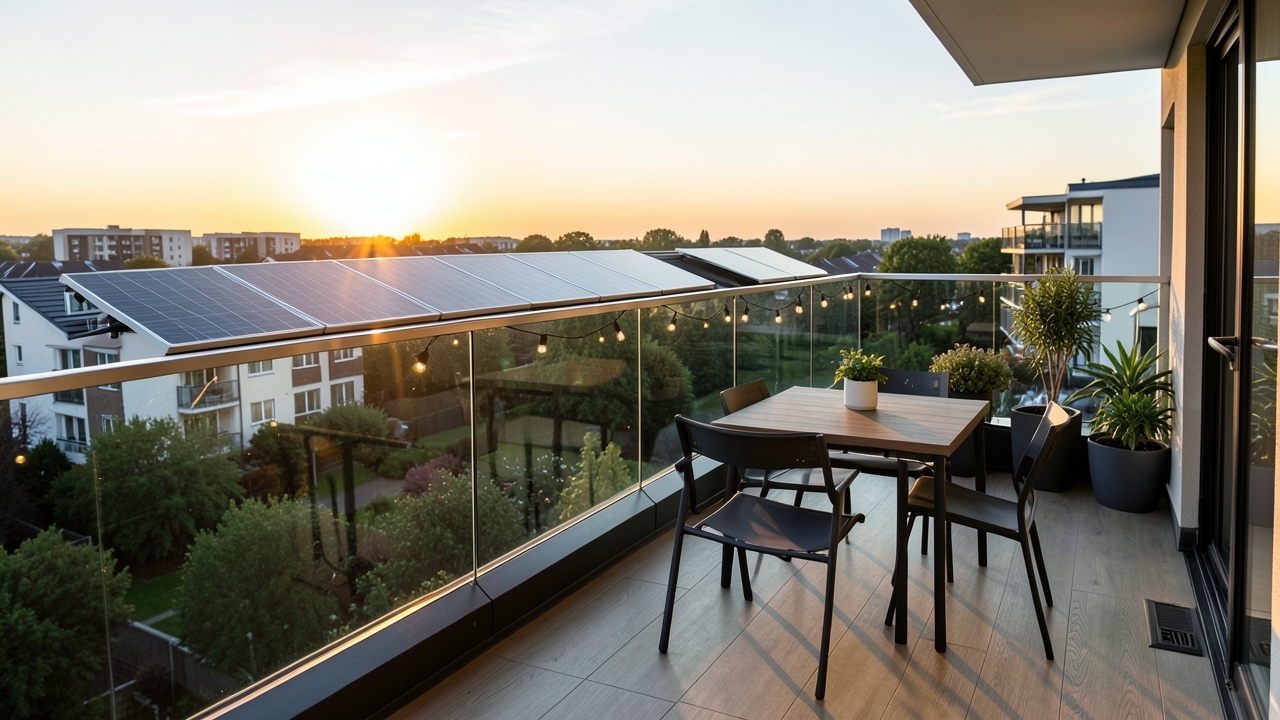
Leasehold solar panel rules in the UK can be complex for apartment dwellers. If you’re considering installing plug-in solar kits on your balcony, understanding the legal landscape is crucial. In 2026, more leaseholders are exploring renewable energy options, but freeholder consent often presents a significant hurdle.
Understanding Leasehold Property and Solar Panel Rights
In the UK, many flats are held under leasehold agreements. This means you own the right to occupy the property for a fixed term, but the freeholder owns the building and land. Consequently, any external modifications, like balcony solar panels, typically require explicit permission.
What is a Leasehold and Why Does It Matter?
A leasehold agreement outlines your rights and responsibilities. It often includes clauses about alterations to the property. For example, clause 4 in many leases prohibits changes without written consent from the freeholder. This is designed to preserve the building’s structural integrity and aesthetic uniformity.
Furthermore, freeholders may have covenants that restrict visible installations. Therefore, before purchasing a balcony solar kit, you must review your lease thoroughly. Failure to do so could lead to legal disputes or forced removal of the panels.
The Role of Freeholder Consent
Freeholder consent is mandatory for most external alterations. However, the process isn’t always straightforward. Freeholders can refuse permission without a clear reason, although reasonableness is often implied. In practice, a well-prepared application can increase your chances of approval.
Additionally, if you live in a building with a management company, they may handle consent decisions. It’s essential to identify who the responsible party is from your lease documents. This ensures you direct your application to the right entity.
Legal Hurdles in Installing Balcony Solar Panels
Navigating leasehold solar panel rules involves several legal hurdles. One major issue is planning permission. Plug-in solar kits are often considered minor installations, but they may still fall under permitted development rights.
Planning Permission and Permitted Development
Permitted development rights allow certain home improvements without planning permission. However, flats typically have restricted rights due to their communal nature. For instance, installing solar panels on a balcony might require approval from the local council. You can check this via the GOV.UK planning portal.
On the other hand, if the balcony is part of your demised premises, you might have more flexibility. But freeholders often argue that solar panels affect the building’s exterior. Therefore, seeking pre-application advice from your council can clarify requirements and save time.
Building Regulations and Safety Standards
Building regulations also apply. Balcony solar panels must be installed safely, considering electrical connections and load-bearing capacity. For example, UK standards like BS 7671 (IET Wiring Regulations) govern electrical installations. Non-compliance could void your home insurance or pose safety risks.
Furthermore, freeholders may demand proof of professional installation to mitigate liability. As a result, opting for certified plug-in kits from reputable suppliers is advisable. This not only ensures compliance but also strengthens your consent application.
Practical Steps to Gain Freeholder Consent
Gaining freeholder consent requires a strategic approach. Here are practical steps to navigate leasehold solar panel rules effectively.
Preparing a Strong Application
- Review Your Lease: Identify clauses related to alterations and external installations.
- Research Regulations: Understand planning permission and building regulations in your area.
- Gather Documentation: Include product details, installation plans, and professional certifications.
- Highlight Benefits: Emphasise energy savings, carbon reduction, and property value enhancement.
- Offer Assurances: Propose a reversible installation if required, and provide insurance details.
For example, prepare a one-page summary outlining the installation’s non-invasive nature. Plug-in solar kits typically clamp to railings without drilling, which can reassure freeholders about structural impact.
Engaging with Your Freeholder or Management Company
Initial communication is key. Write a polite letter or email to your freeholder, explaining your intentions. Attach supporting documents and offer to discuss further. Furthermore, consider attending any relevant meetings to address concerns directly.
If consent is refused, you can appeal through formal channels. The Commonhold and Leasehold Reform Act 2002 provides grounds for challenging unreasonable decisions. However, legal advice may be necessary in complex cases.
UK Regulations and Cost Considerations in 2026
In 2026, UK regulations continue to evolve with a focus on renewable energy. The government supports solar adoption through schemes like the Smart Export Guarantee (SEG). This allows you to earn money for excess energy exported to the grid.
Current Prices for Balcony Solar Kits
Balcony solar kits are becoming more affordable. For a basic plug-in system with 300W output, prices range from £200 to £400 in 2026. Higher-end models with 600W capacity can cost between £500 and £800. These kits often include portable panels, inverters, and mounting accessories.
However, installation costs may apply if professional help is required. Typically, electricians charge £50 to £100 per hour in the UK. Therefore, budgeting an additional £100 to £200 for setup is wise. This investment can pay back over time through energy savings.
Relevant UK Legislation in 2026
Key legislation includes the Energy Performance Certificate (EPC) requirements and the Building Safety Act 2022. Freeholders must comply with fire safety regulations, which may affect solar panel placement. For instance, panels must not obstruct escape routes or ventilation.
Additionally, the Energy Saving Trust provides guidelines on solar installations in flats. Their advice can help you align your project with national standards. Always refer to the latest updates to ensure full compliance.
Internal Resources for Further Guidance
For more on sustainable home improvements, explore our articles on balcony solar panel installations. We also cover EV chargers for UK homes and e-bike conversion kits to enhance your eco-friendly lifestyle.
Leasehold solar panel rules may seem daunting, but with careful preparation and open communication, you can successfully install balcony solar kits. Remember, every approval contributes to a greener UK.
In conclusion, navigating leasehold solar panel rules requires patience and diligence. By understanding legal hurdles and following practical steps, you can gain freeholder consent and enjoy the benefits of renewable energy. Have you faced challenges with balcony solar installations? Share your experiences in the comments below!