
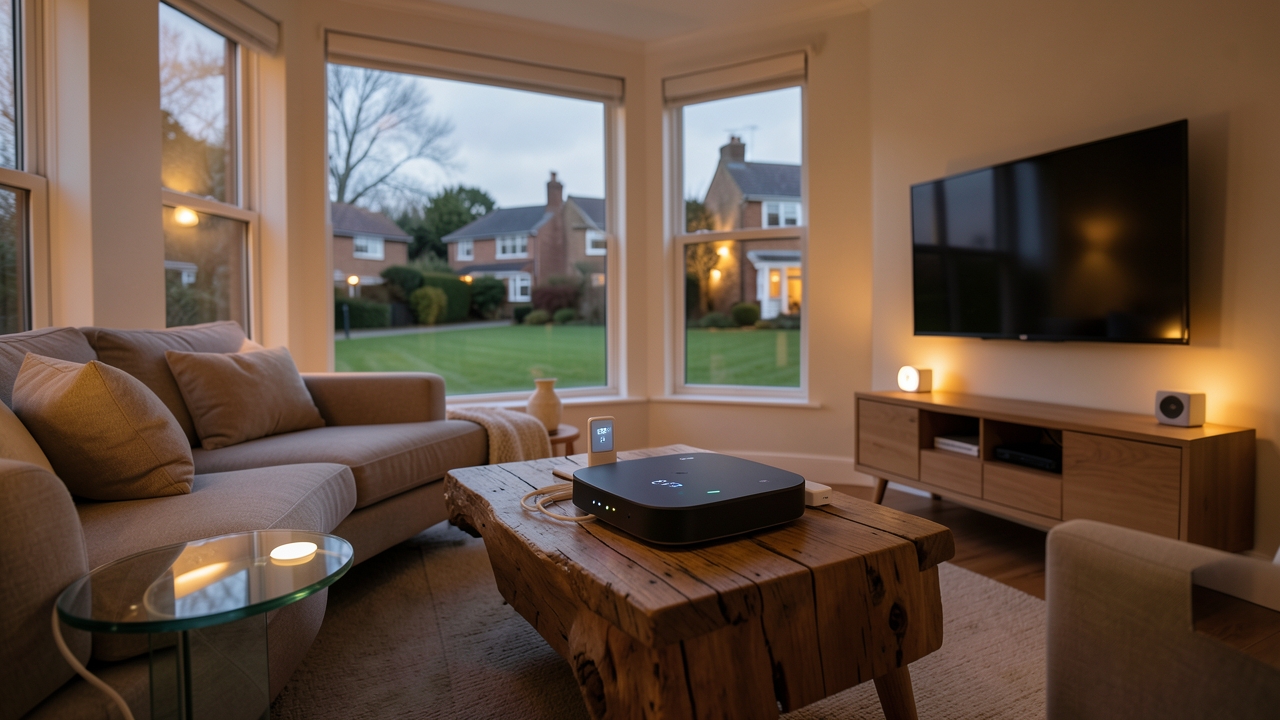
In 2026, the Matter protocol UK compatibility is revolutionising how homeowners connect smart devices. This universal standard ensures seamless communication between products from different brands. For UK residents, integrating Matter-compatible devices with hubs like Samsung SmartThings or Home Assistant simplifies setup and enhances reliability. However, navigating electrical standards and device availability requires careful planning. This guide provides a step-by-step approach to achieve smooth integration.
Matter is a unified, open-source connectivity standard developed by the Connectivity Standards Alliance. It focuses on interoperability, security, and ease of use. In the UK, this means devices can work together without proprietary ecosystems. Furthermore, Matter uses Wi-Fi, Thread, and Bluetooth Low Energy, ensuring broad coverage across homes. Consequently, homeowners can mix and match devices with confidence.
Understanding Matter Protocol UK Compatibility
Matter protocol UK compatibility refers to the ability of smart devices to function correctly within the United Kingdom’s regulatory and infrastructure framework. This includes adherence to UK electrical standards, such as the BS 1363 plug format and voltage requirements of 230V. Additionally, devices must comply with the UK’s wireless regulations set by Ofcom. As a result, compatibility ensures safety and optimal performance.
For UK homeowners, the benefits are significant. Matter simplifies installation by reducing the need for multiple apps. Moreover, it future-proofs your smart home ecosystem. According to a 2025 report by the Energy Saving Trust, Matter-enabled devices can improve energy efficiency by up to 15% through better coordination. Therefore, investing in compatible devices is a wise choice.
Key UK-Specific Considerations
When exploring Matter protocol UK compatibility, always check for CE and UKCA markings. These certifications confirm that devices meet local safety standards. Furthermore, consider the availability of Matter-compatible products in the UK market. Retailers like Currys and Amazon UK stock a growing range, with prices starting from around £30 for smart plugs and up to £200 for advanced hubs. In addition, ensure your home network supports Thread border routers for extended coverage.
Step-by-Step Guide to Integrating Matter Devices with UK Hubs
Follow these steps to achieve seamless Matter protocol UK compatibility with your smart home hub. This process works for popular hubs like Samsung SmartThings and Home Assistant, which are widely available in the UK.
Step 1: Verify Device Compatibility
Start by confirming that your devices support Matter. Most modern smart lights, plugs, and sensors launched after 2024 are Matter-ready. Check the product packaging or manufacturer’s website for the Matter logo. For example, Philips Hue and Eve devices are fully compatible. Meanwhile, hubs like Samsung SmartThings V4 and Home Assistant Yellow have built-in Matter support. This initial check prevents compatibility issues later on.
Step 2: Prepare Your Hub and Network
Ensure your hub is updated to the latest firmware. For Samsung SmartThings, download the app from the UK App Store and enable Matter in settings. For Home Assistant, use the integrated Matter add-on, which requires a Raspberry Pi or similar device costing between £50 and £150. Additionally, set up a stable Wi-Fi network with at least 2.4GHz frequency. Thread border routers, such as Apple TV 4K or Google Nest Hub, can enhance mesh coverage in larger UK homes.
Step 3: Set Up Devices via the Hub
Use your hub’s app to add Matter devices. Typically, this involves scanning a QR code on the device or entering a setup code. For SmartThings, open the app, tap “Add Device,” and select Matter. For Home Assistant, navigate to Settings > Integrations > Matter. The process is intuitive and takes less than five minutes per device. As a result, you can quickly build a connected home.
Step 4: Ensure UK Electrical Compliance
UK electrical standards are stringently regulated. Always plug devices into outlets meeting BS 1363 specifications. If using wired devices, such as smart switches, consider hiring a certified electrician to ensure compliance with Part P of the Building Regulations. The cost for a professional installation ranges from £80 to £150, depending on complexity. Furthermore, avoid using non-UK adapters, as they may compromise safety.
Step 5: Test and Troubleshoot Common Issues
After setup, test each device for responsiveness. If connectivity drops occur, check for Wi-Fi interference or update hub firmware. Common issues include signal range problems in stone-built UK houses; therefore, adding Thread repeaters can help. Additionally, consult online forums like the Home Assistant Community for UK-specific advice. Most troubleshooting can be resolved without professional help.
Recommended Matter-Compatible Hubs for UK Homes
Choosing the right hub is essential for Matter protocol UK compatibility. Here are two top options available in the UK market in 2026:
- Samsung SmartThings V4: Priced at £199, this hub offers robust Matter support and integrates with a wide range of devices. It’s user-friendly and ideal for beginners. You can find it at retailers like John Lewis or Amazon UK.
- Home Assistant Yellow: For tech-savvy users, this hub costs around £120 for the base kit. It provides advanced customisation and works with Raspberry Pi. It’s perfect for those who want full control over their smart home.
Both hubs support UK power standards and come with local customer support. In addition, they receive regular updates to maintain compatibility with new Matter devices.
UK Device Availability and Pricing
The UK market for Matter-compatible devices is expanding rapidly in 2026. For instance, smart plugs from TP-Link Kasa are available for £15, while LED bulbs from LIFX start at £20. More advanced products, like smart thermostats from Hive, cost between £150 and £200. Always purchase from reputable UK sellers to ensure warranty coverage and compliance. Furthermore, check for energy ratings to align with UK sustainability goals.
For detailed reviews on smart home devices, refer to our guide on smart home energy saving. This resource helps you choose eco-friendly options that reduce electricity bills.
UK Regulations and Best Practices
UK homeowners must adhere to specific regulations when installing smart devices. The Electrotechnical Certification Scheme (ECS) requires qualified electricians for fixed wiring work. For wireless devices, Ofcom guidelines limit signal strength to prevent interference. Moreover, data privacy under the UK GDPR means you should secure your smart home network with strong passwords. These practices ensure safety and legal compliance.
For more on UK electrical standards, visit GOV.UK’s electrical safety page. This official resource provides up-to-date information for homeowners.
Enhancing Your Smart Home with Matter
Matter protocol UK compatibility opens doors to advanced automations. For example, you can create routines where lights adjust based on time or motion. Furthermore, integrating with other UK smart home technologies, such as EV chargers for your home, can optimise energy use. This holistic approach maximises convenience and efficiency.
Additionally, consider pairing Matter devices with balcony solar panels to power your smart home sustainably. This combination reduces reliance on the grid and lowers carbon footprints.
Common Challenges and Solutions
While Matter simplifies integration, some challenges may arise. For instance, older UK homes with thick walls can weaken wireless signals. To address this, install Wi-Fi extenders or Thread mesh nodes. Another issue is device firmware updates; therefore, enable automatic updates in your hub app. On the other hand, if a device isn’t recognized, reset it to factory settings and re-add it. These solutions ensure long-term reliability.
Remember, compatibility is key to a seamless smart home. Always refer to manufacturer guidelines and UK-specific advice before making purchases.
Future of Matter in the UK
The adoption of Matter protocol UK compatibility is set to grow. By 2027, industry analysts predict over 80% of new smart devices will support Matter. This trend will drive down prices and increase innovation. Consequently, UK homeowners can expect more choices and better interoperability. Staying informed through resources like our article on AI tools for smart homes will help you leverage emerging technologies.
Conclusion
Integrating Matter protocol devices with UK smart home hubs is a straightforward process when you follow the right steps. From verifying compatibility to ensuring electrical compliance, this guide covers essential aspects for UK homeowners. As smart home technology evolves, Matter will play a central role in creating connected, efficient living spaces. Have you started your Matter integration journey? Share your experiences or questions in the comments below!