
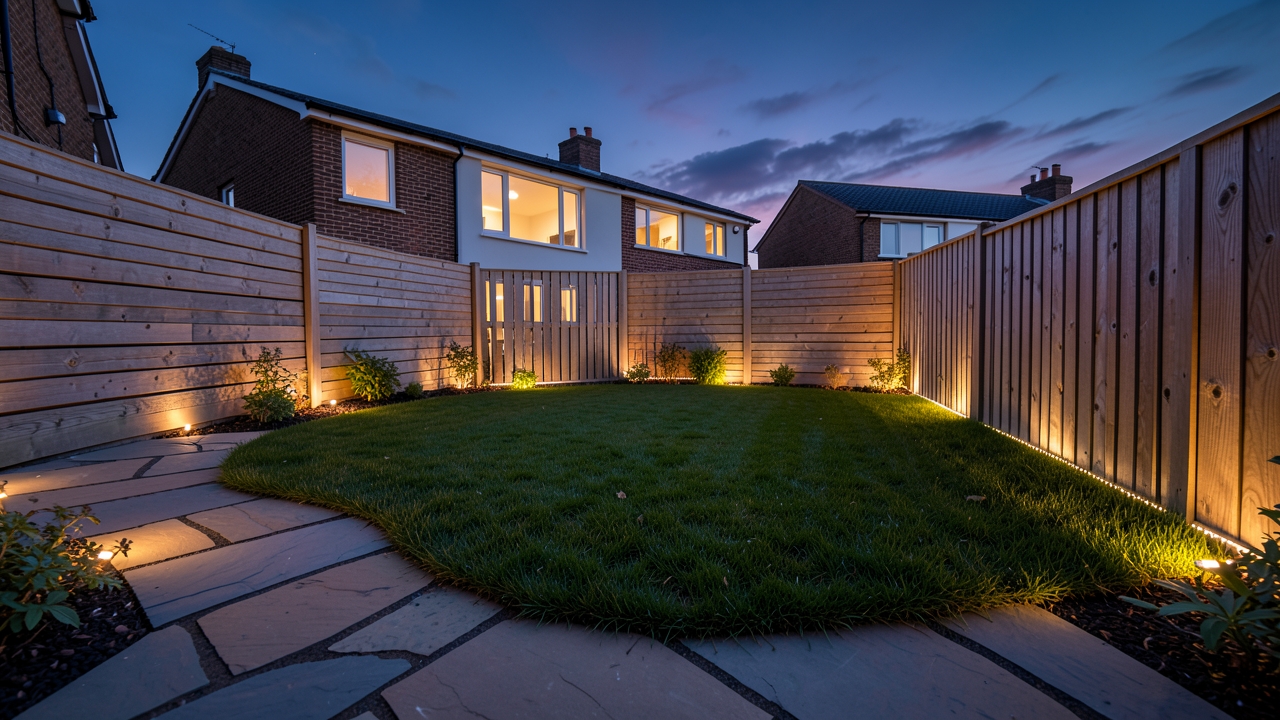
Upgrading your garden with smart lighting is one of the most rewarding home improvements you can make. Philips Hue offers a fantastic range of outdoor products that transform your garden into a beautifully lit space. However, many UK homeowners wonder whether they can handle the Philips Hue outdoor DIY UK installation themselves, or whether they need to hire a qualified electrician. The answer depends on the type of lighting you choose and your understanding of UK Part P building regulations. In this guide, we break down everything you need to know.
Furthermore, with rising energy costs in 2026, smart LED outdoor lighting makes excellent sense. Philips Hue systems let you control brightness, colour and scheduling from your phone. They also integrate with voice assistants like Amazon Alexa and Google Home. But before you start drilling holes and running cables, you need to understand what the law permits as a DIY installation.
What Are Philips Hue Outdoor Lights?
Philips Hue is a smart lighting ecosystem made by Signify. Their outdoor range includes wall lights, post lights, pathway lights, lightstrips and motion sensors. Each product connects wirelessly to the Philips Hue Bridge, which you control via an app on your smartphone.
The outdoor product range in the UK includes several categories:
- Wall-mounted lights — such as the Philips Hue Econic (£129.99) and Philips Hue Impress (£139.99)
- Post and path lights — including the Philips Hue Calla (£129.99) and Philips Hue In-Lite Tuable (£109.99)
- Lightstrips — the Philips Hue Outdoor Lightstrip (1m extension: £34.99, starter kit: £159.99)
- Motion sensors — the Philips Hue Outdoor Sensor (£49.99)
- The Hue Bridge — required for smart control (£49.99)
Crucially, these products fall into two electrical categories: mains-powered (230V) and low-voltage (SELV, typically 24V or 12V). This distinction matters enormously when it comes to UK DIY regulations.
Understanding UK Part P Regulations
Part P of the Building Regulations 2010 governs electrical safety in UK dwellings. It exists to reduce the risk of fire and electric shock from faulty electrical installations. Since its introduction in 2005, Part P has required homeowners to either use a registered electrician or notify their local Building Control before carrying out certain electrical work.
However, in 2022 the UK government relaxed several Part P requirements to reduce bureaucracy for homeowners. External lighting at extra-low voltage (SELV) no longer requires Building Control notification. This is excellent news for gardeners wanting to install low-voltage Philips Hue outdoor lights.
What Part P Means for Garden Lighting
Here is the key distinction that every UK homeowner needs to understand:
Low-voltage (SELV) lighting circuits (12V or 24V): These generally do not require Building Control notification. You can run low-voltage cables through your garden without needing a Part P registered electrician, provided you are not creating a new mains circuit.
Mains-powered (230V) lighting circuits: These still require compliance with Part P. If you are installing new mains-powered outdoor lights, you have two legal options:
- Use a Part P registered electrician who can self-certify the work
- Notify your local Building Control department yourself and pay the application fee (typically £150–£300)
Therefore, if you choose mains-powered Philips Hue outdoor lights such as the Econic wall light or Impress post light, you cannot legally wire them into your mains supply without either registering with Building Control or hiring a qualified electrician.
Important: The GOV.UK guidance on building regulations and electrical safety provides further detail on Part P requirements. Always check the latest regulations before starting any electrical work.
What You Can Legally DIY Without an Electrician
For a straightforward Philips Hue outdoor DIY UK installation, your safest and simplest option is to choose low-voltage products. Here is what you can legally do yourself:
- Install low-voltage LED lightstrips in garden features
- Mount low-voltage pathway lights like the Calla
- Run SELV cables through garden beds and along fences
- Connect products to the Philips Hue Bridge
- Configure smart controls via the Hue app
On the other hand, if you are connecting any device to your home’s 230V mains supply, you cross into Part P territory. This includes wiring a new outdoor switch, running a spur from an indoor ring circuit or installing a weatherproof outdoor socket to power your Hue lights.
Planning Your Philips Hue Outdoor DIY UK Installation
Proper planning separates a professional-looking installation from a messy one. Before you touch a single cable, consider the following steps carefully.
Choose the Right Products
For maximum DIY flexibility with minimal regulatory hassle, we recommend starting with low-voltage products. The Philips Hue Outdoor Lightstrip kit is an excellent starting point. At £159.99 for the starter set, it includes a 2-metre strip and a low-voltage power supply. You can cut the strip to size and stick it under steps, along fences or behind planters.
Meanwhile, the Philips Hue Calla at £129.99 offers a more permanent pathway lighting solution. It connects via low-voltage cable to a power source, and you can link multiple Calla lights together in a daisy-chain arrangement.
For a complete outdoor smart lighting setup, budget approximately £350–£600 depending on the number of fixtures. A typical mid-range setup might include:
- Philips Hue Bridge: £49.99
- Two Philips Hue Calla path lights: £259.98
- Outdoor Lightstrip (2m starter kit): £159.99
- Philips Hue Outdoor Sensor: £49.99
- Low-voltage cable and connectors: £30–£50
Total: approximately £550–£570
Tools and Materials You Will Need
For a low-voltage Philips Hue outdoor DIY UK installation, you will need the following tools and materials:
- Cable clips or outdoor cable trunking
- A drill with appropriate bits for fence or wall mounting
- Weatherproof cable connectors (IP65 rated minimum)
- A spirit level for mounting fixtures straight
- Cable conduit to protect cables running underground
- A trenching spade if burying cables
- Garden cable stakes for surface-level cable runs
In addition, ensure you have a reliable Wi-Fi signal in your garden. The Hue Bridge connects via Ethernet to your router, but the individual lights communicate via Zigbee. A strong Zigbee mesh requires at least one mains-powered Hue device to act as a repeater.
Step-by-Step Guide to Your Philips Hue Outdoor DIY UK Installation
Follow these practical steps to install your Philips Hue outdoor lights safely and legally in your UK garden.
Step 1: Plan Your Layout
Walk around your garden and decide where each light will go. Mark positions with garden canes or chalk. Consider the areas you want to illuminate: pathways, seating areas, feature plants or architectural details. Remember that the Philips Hue Bridge has a maximum Zigbee range of around 10–12 metres. Therefore, you may need repeaters or strategically placed mains-powered devices to extend coverage.
Step 2: Run Low-Voltage Cables
For low-voltage lighting, run the cable from your power source (usually an outdoor weatherproof socket) to each fixture location. If the cable crosses a path or lawn, bury it in a shallow trench at least 150mm deep and protect it in conduit. Along fences or walls, use cable clips or trunking to keep everything tidy and protected from the elements.
Consequently, always use outdoor-rated cable rated to at least IP65 for connections between fixtures. Cheap indoor cable will degrade quickly in wet UK weather and become a safety hazard.
Step 3: Mount the Fixtures
Use a drill and appropriate fixings to mount each fixture. For fence-mounted lights, use coach screws rated for exterior use. For post lights, ensure the mounting surface is level using a spirit level. Most Philips Hue outdoor fixtures include a mounting plate and all necessary fixings in the box.
Meanwhile, if you are using the Outdoor Lightstrip, clean the mounting surface first. The adhesive backing works best on smooth, dry, dust-free surfaces. For rough textures like brick or stone, consider using outdoor mounting clips instead.
Step 4: Connect and Configure
Connect all low-voltage cables to the power supply and plug it into your outdoor socket. Open the Philips Hue app on your phone and follow the setup wizard to discover your new lights. Assign each light to a room or zone. Create scenes and schedules to automate your outdoor lighting.
Furthermore, pairing the Philips Hue Outdoor Sensor (£49.99) allows your lights to activate automatically when motion is detected. This is ideal for security and energy efficiency, particularly during the shorter winter days.
Safety Tips for Outdoor Smart Lighting
Even with low-voltage systems, safety should always come first. Follow these essential tips during your Philips Hue outdoor DIY UK installation:
- Always disconnect power before working on any electrical connections
- Use IP65-rated or higher connectors for all outdoor joins and junctions
- Bury cables in conduit when running them underground to prevent damage from garden tools
- Never use indoor-rated products outdoors, even in sheltered areas
- Check cable ratings — ensure the cable gauge is suitable for the total wattage on the circuit
- Use a residual current device (RCD) on your outdoor socket for added protection against electric shock
As a result, following these precautions will protect your family and your property. According to the Electrical Safety First charity, most electrical fires in UK homes stem from faulty or poorly installed wiring. Taking the time to do the job properly is always worthwhile.
When Should You Call an Electrician?
While a low-voltage Philips Hue outdoor DIY UK installation is perfectly manageable for most competent homeowners, there are situations where you should absolutely hire a qualified electrician:
- You need to install a new outdoor mains socket to power your lights
- You want to run a spur from your home’s ring circuit into the garden
- You plan to install mains-powered wall lights requiring a hardwired connection
- You are unsure about the condition of your existing consumer unit (fuse box)
- Your garden lighting project involves overhead cables or connections to the mains supply
A Part P registered electrician can self-certify their work and issue you an Electrical Installation Certificate. This document is useful for insurance purposes and when you eventually sell your property. Hiring an electrician typically costs between £200 and £500 for a basic outdoor lighting circuit, depending on complexity and your location in the UK.
Cost Comparison: DIY vs. Professional Installation
To help you decide, here is a rough cost comparison for a typical Philips Hue outdoor setup in a UK garden:
DIY (low-voltage only):
- Philips Hue products: £350–£600
- Cables, connectors and trunking: £30–£50
- Tools (if not already owned): £20–£40
- Total: approximately £400–£690
Professional installation (mains-powered):
- Philips Hue products: £350–£600
- Electrician’s labour: £200–£500
- Building Control notification (if not using a registered electrician): £150–£300
- Total: approximately £700–£1,400
As you can see, choosing low-voltage products and handling the installation yourself could save you between £300 and £700. That is a significant saving, particularly if you are installing several lights across a larger garden.
Can You DIY Install Philips Hue Outdoor Lights Without an Electrician?
The short answer is: yes, you can — if you choose low-voltage products. A low-voltage Philips Hue outdoor DIY UK installation falls outside the scope of Part P building regulations. You do not need to notify Building Control or hire a registered electrician.
However, if your installation requires work on the 230V mains supply, you must either use a Part P registered electrician or notify your local Building Control office. Failure to comply could result in enforcement action, difficulty when selling your home and, most importantly, a serious safety risk.
Therefore, we recommend starting your smart garden lighting journey with low-voltage Philips Hue products. They are safer, easier to install, and give you the full smart lighting experience without the regulatory headaches. As your confidence grows, you can expand your setup gradually over time.
For more inspiration on smart home upgrades, take a look at our guides on smart home technology and explore how other connected devices can enhance your daily life.
Have you installed Philips Hue outdoor lights in your own garden? We would love to hear about your experience. Share your tips, questions or project photos in the comments below — your advice might help a fellow homeowner get started!