
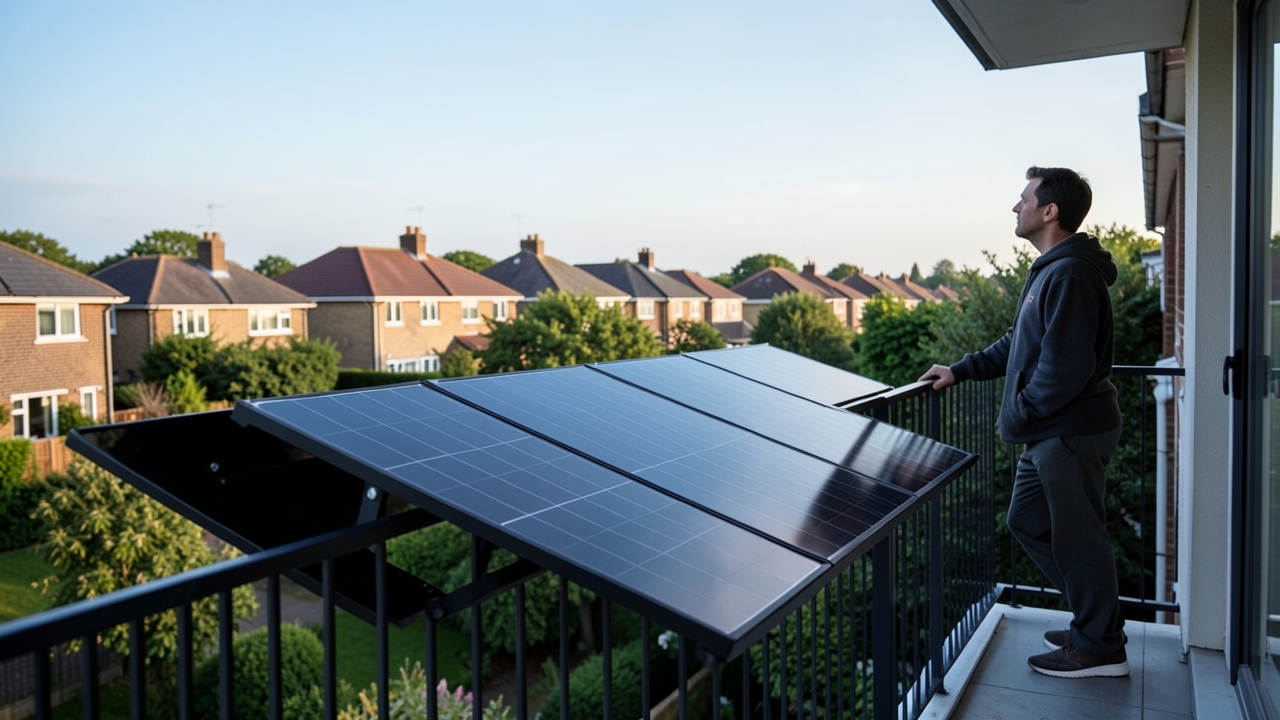
Installing solar panels on your balcony is a brilliant way to generate clean, green electricity and lower your energy bills. However, for flat owners and tenants in the UK, the path to installation isn’t always straightforward. Before you invest in a system, you must understand the balcony solar panel permissions UK regulations. This guide explores the specific legal requirements for different types of flats, including those in protected areas.
Permissions depend heavily on three factors: your property tenure (leasehold or freehold), the building’s design, and its location. Getting it wrong could lead to fines or a costly removal order. Let’s break down the rules for 2026.
Do You Need Planning Permission for Balcony Solar Panels?
For most balcony installations, the answer is often no. This is thanks to Permitted Development (PD) rights. PD allows certain home improvements without a formal planning application. However, specific conditions apply.
According to UK Government guidance on permitted development for householders, solar panels on a building are typically permitted if:
- The panels are installed on a wall or roof, and a balcony is considered part of the building.
- The panels do not protrude more than 200mm from the wall or roof surface.
- The installation does not result in the original dwelling being extended.
- The panels are not fitted on a listed building or within its grounds.
Consequently, a slim, surface-mounted balcony solar panel kit often falls within PD rights. However, a bulkier system that alters the building’s external appearance might require permission.
Leasehold vs. Freehold Flats: The Critical Difference
The most important factor isn’t planning law; it’s your property’s legal title. The vast majority of UK flats are leasehold. This means you own your flat for a set period, but the freeholder owns the building structure and communal areas.
For Leaseholders (Most Flat Owners)
You almost always need written permission from your freeholder or managing agent. Your lease will contain clauses about alterations to the property. A balcony is often considered part of the building’s exterior.
Steps to take:
- Read Your Lease: Look for clauses on “alterations,” “external changes,” or “planning permission.”
- Contact Your Freeholder/Manager: Submit a formal written request outlining the proposed installation, product details, and any structural reports.
- Check for Consent Fees: The freeholder may charge an administration or consent fee, typically £100-£300.
Furthermore, if your balcony is shared or you plan to mount panels on a communal wall, you will need consent from all affected leaseholders. Our guide to legal tips for balcony solar panels has more detail on navigating lease agreements.
For Freeholders
If you are a freeholder (own the whole building, including the flat and its structure), your rights are broader. You still must comply with Permitted Development rules. Additionally, you must consider the rights of any adjacent freeholders under the Party Wall etc. Act 1996.
Conservation Areas and Listed Buildings
If your flat is in a Conservation Area, Article 4 Directions often remove some Permitted Development rights. This means you will likely need planning permission for external changes like solar panels, even on a balcony.
The Energy Saving Trust notes that while renewable energy is encouraged, local councils in conservation areas prioritise preserving architectural character. For flats within or near such zones, a pre-application enquiry with your local council’s planning department is wise. Fees for this advice are often free or minimal.
Listed Buildings: You must obtain Listed Building Consent from the council before any work. This is separate from planning permission. Installing solar panels on a listed building, including on its balcony, is very difficult and requires specialist heritage assessments.
The Party Wall Consideration
The Party Wall etc. Act 1996 applies if your work affects a shared wall (party wall) or boundary. For example, if you need to drill into a wall shared with a neighbouring flat.
If you are a leaseholder, your freeholder usually handles party wall matters. If you are a freeholder, you may need to serve a Party Wall Notice on your neighbour 1-2 months before work begins. Failure to do so can lead to legal disputes. A surveyor’s fee for this process can be £700-£1,500 per neighbour.
Practical Steps for Your 2026 Installation
To ensure a smooth, legal installation, follow this checklist:
1. Investigate Your Tenure and Lease
Identify if you are leasehold or freehold. For leaseholders, scrutinise your lease or contact your managing agent immediately.
2. Check Your Local Planning Authority (LPA)
Visit your council’s planning portal. Search for your address to see if an Article 4 Direction applies. This is crucial for conservation areas.
3. Choose the Right Product
Select a balcony solar panel kit that is lightweight, low-profile, and designed for mounting. This increases the chance of it falling within Permitted Development.
4. Get Written Consent
Never proceed without written permission from your freeholder. Keep all correspondence safe.
5. Consider Professional Advice
For complex cases (conservation areas, listed buildings, party walls), budget £150-£500 for initial professional advice from a planning consultant or surveyor.
Costs Summary for Permissions
The potential costs related to permissions (excluding the solar panels themselves) include:
- Freeholder Consent Fee: £100 – £300
- Council Planning Application (if required): £206 for a householder application (2026 fees).
- Listed Building Consent Application: No fee, but substantial consultancy costs (£500+).
- Party Wall Surveyor Fee: £700 – £1,500 per neighbour.
Always factor these potential legal costs into your overall budget. A £500 kit could incur £300 in permissions, so plan accordingly.
Final Verdict
Navigating balcony solar panel permissions UK rules is manageable with the right research. For most flats on a standard lease, securing freeholder consent is the primary hurdle. In conservation areas or for listed buildings, formal planning or listed building consent is almost always required.
Therefore, start your journey by checking your lease and local council website. By following the correct process, you can embrace solar energy legally and enjoy the benefits for years to come. Have you had experience with permissions for your flat? Share your story in the comments below!
Balcony Solar Savings Calculator
See your annual savings, export income and payback time — free, no sign-up.