EV smart plug scheduling is a powerful way to cut your electricity bills by automating electric vehicle charging during off-peak hours. In the UK, time-of-use tariffs offer cheaper rates overnight, and with a smart plug, you can take full advantage without manual effort. For example, by setting your charger to run between 12 am and 6 am, you could save up to 50% on energy costs compared to peak daytime rates.
This guide explores how EV smart plug scheduling works, the best UK tariffs for savings in 2026, and practical steps to set it up. We’ll also cover potential savings with real data and UK regulations to keep you compliant.
What is EV Smart Plug Scheduling?
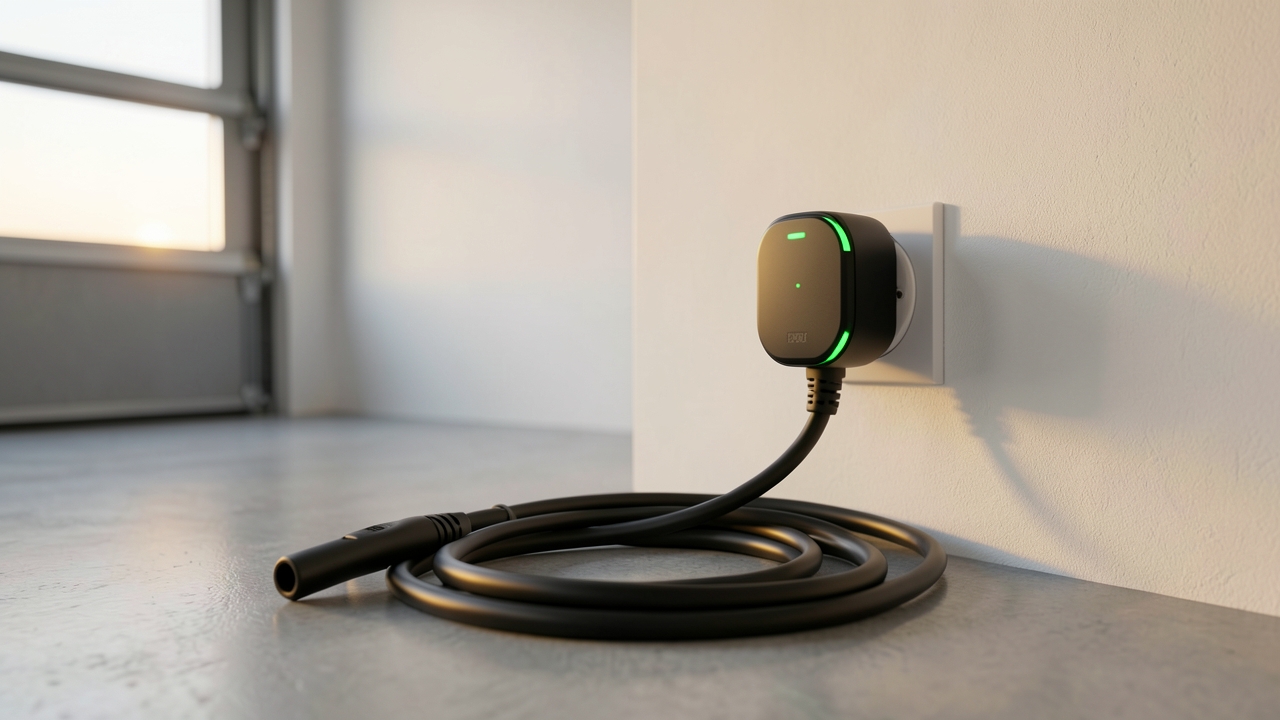
EV smart plug scheduling involves using a smart plug device to control when your EV charger powers on. It connects to your home Wi-Fi and allows you to set schedules via a smartphone app. This ensures your vehicle charges only during specific times, such as off-peak electricity hours.
Furthermore, smart plugs often include energy monitoring features. They track kWh usage in real-time, helping you optimise charging further. For instance, models from brands like TP-Link or Hive cost between £20 and £50 in the UK and integrate with popular EV chargers.
Key Benefits for UK EV Owners
- Cost Savings: By avoiding peak rates, you reduce your electricity bill significantly.
- Convenience: Automated scheduling means no need to wake up at night to plug in.
- Energy Efficiency: Monitoring tools help you understand usage patterns and adjust habits.
- Grid Support: Off-peak charging eases demand on the UK grid, promoting sustainability.
However, it’s important to choose a smart plug compatible with your EV charger. Not all plugs handle high loads, so check for models rated at 13A or higher. For more on EV charging setups, see our EV charger installation guide.
Understanding UK Time-of-Use Tariffs
UK time-of-use tariffs charge different electricity rates based on the time of day. As of 2026, providers like Octopus Energy, British Gas, and EDF offer these plans. Off-peak hours typically run from 12 am to 6 am, with rates as low as 10p per kWh compared to 30p per kWh during peak times.
For example, Octopus Energy’s Agile tariff adjusts prices every half hour based on wholesale costs. By scheduling EV smart plug scheduling for these windows, you can minimise expenses. According to the Energy Saving Trust, smart scheduling can save UK households up to £150 annually on EV charging.
Popular UK Tariffs in 2026
- Octopus Go: Offers 5p per kWh for off-peak hours (12 am to 5 am). Ideal for EV owners.
- British Gas EV Tariff: Fixed off-peak rate of 12p per kWh from 11 pm to 6 am.
- EDF Energy’s Zog: Dynamic pricing with peaks up to 35p per kWh and off-peak lows of 8p per kWh.
Meanwhile, the UK government’s Electric Vehicle Homecharge Scheme provides grants up to £350 for installing chargers, which can be paired with smart plugs for added efficiency.
How to Set Up EV Smart Plug Scheduling
Setting up EV smart plug scheduling is straightforward. First, purchase a compatible smart plug from retailers like Amazon or Currys. Then, follow these steps:
- Step 1: Plug the smart plug into a wall socket and connect your EV charger to it.
- Step 2: Download the manufacturer’s app (e.g., Hive or Tuya) and connect the plug to your Wi-Fi.
- Step 3: Set a schedule in the app for off-peak hours, such as 1 am to 5 am.
- Step 4: Enable energy monitoring to track kWh usage and adjust as needed.
Therefore, within minutes, your EV will charge automatically during cheap periods. For advanced setups, consider integrating with smart home systems like Google Home or Alexa for voice control.
Furthermore, always check your smart plug’s load capacity. Most UK EV chargers require 7kW to 22kW, so ensure the plug supports this. Our smart plugs for energy monitoring article has detailed reviews.
Potential Savings and Data for 2026
In 2026, EV smart plug scheduling can lead to substantial savings. Let’s break it down with UK-specific data. Assuming you drive 10,000 miles annually, your EV might use around 3,000 kWh of electricity. At peak rates of 30p per kWh, that costs £900 per year.
However, with off-peak rates at 10p per kWh, the cost drops to £300, saving you £600 yearly. This is a 67% reduction. For example, a Nissan Leaf with a 40kWh battery charged weekly off-peak saves approximately £400 annually compared to peak charging.
“According to a 2025 study by Which?, UK EV owners using smart scheduling reduced their annual charging costs by an average of 45%, with some saving over £500.”
Consequently, the initial investment in a smart plug pays for itself within months. Prices for compatible models range from £25 to £60, making it an affordable upgrade. Always factor in installation costs, though most smart plugs are plug-and-play.
Real-World Example from a UK Household
Consider the Smith family in Manchester. They switched to Octopus Go tariff and installed a £30 smart plug for their Tesla Model 3. By scheduling charging from 1 am to 5 am, they reduced their monthly EV energy bill from £60 to £25. Over a year, this saved them £420, covering the plug cost seven times over.
UK Regulations and Best Practices
The UK has specific regulations for EV charging and smart devices. The Office for Zero Emission Vehicles (OZEV) mandates that home chargers must have built-in smart features for safety and grid management. However, smart plugs can complement these by adding scheduling.
In addition, always ensure your setup is compliant with BS 7671 wiring regulations. Use a qualified electrician if you’re unsure. For the latest updates, refer to the GOV.UK guidance on EV homecharge.
Tips for Maximising Savings
- Monitor Usage: Use the smart plug’s app to track energy consumption and adjust schedules seasonally.
- Combine with Solar: If you have balcony solar panels, pair them with smart plugs to charge during sunny off-peak hours. See our balcony solar panels guide for more.
- Avoid Overcharging: Schedule only for necessary mileage to prevent battery degradation.
On the other hand, some tariffs offer free electricity during specific periods. For instance, certain green energy plans provide complimentary off-peak hours, which you can exploit with smart scheduling.
Moreover, keep an eye on UK government incentives. In 2026, grants for smart home tech are available through local councils, reducing upfront costs.
Conclusion: Start Saving with EV Smart Plug Scheduling Today
EV smart plug scheduling is a simple yet effective solution for UK EV owners looking to cut electricity bills. By leveraging time-of-use tariffs and automating off-peak charging, you can save hundreds of pounds annually. With easy setup and affordable devices, it’s a smart investment for 2026 and beyond.
As a result, take the first step by checking your electricity tariff and choosing a compatible smart plug. The savings are clear, and the benefits extend to supporting the UK’s green energy transition. Have you tried EV smart plug scheduling in your home? Share your experiences in the comments below!
Smart Plug Energy Savings Calculator
Find out how much standby power costs you — and what a smart plug could save.