
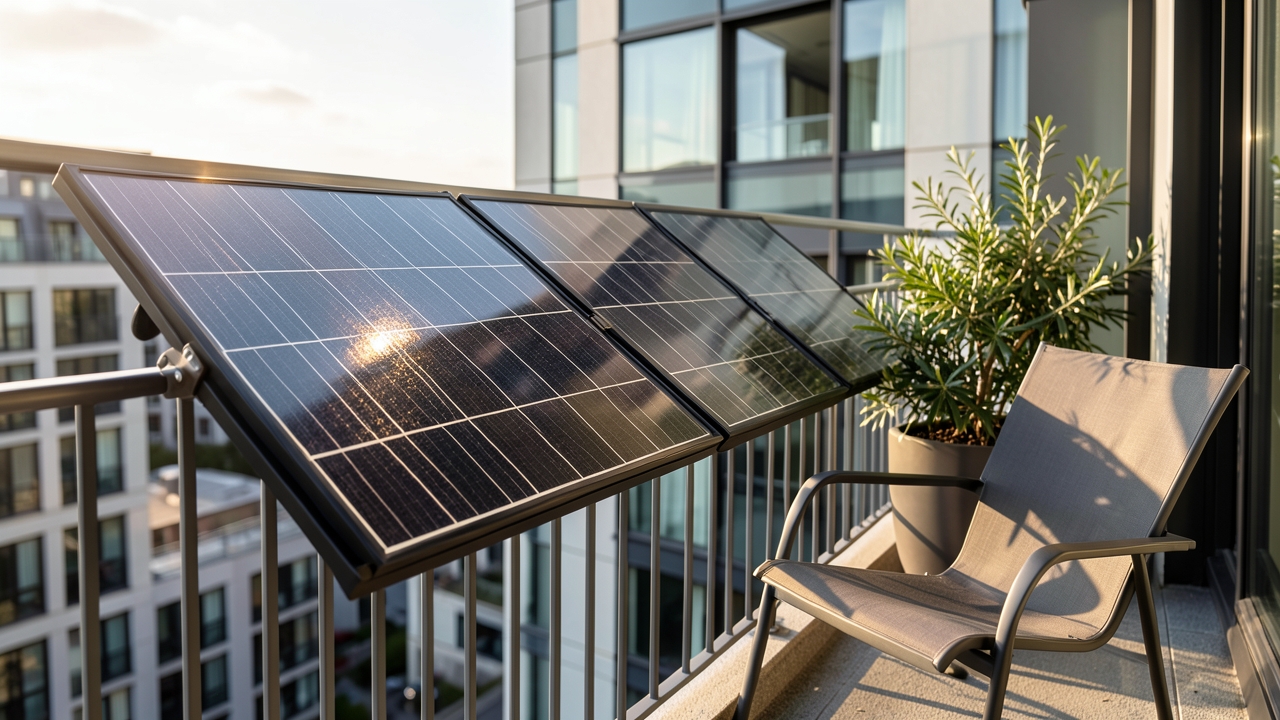
Thinking of cutting your energy bills with balcony solar panels but renting your flat? You’re not alone. The surge in plug-and-play solar systems has made renewable energy accessible to everyone. However, for tenants in the UK, a key question remains: do you need landlord permission for balcony solar panels in 2026? The answer is nuanced, involving a mix of leasehold rules, safety regulations, and good communication.
The Short Answer: It Depends on Your Tenancy and Property
There is no single, universal law that automatically grants or denies you this right. The requirement for permission hinges on three main factors: your tenancy agreement, the building’s structure, and local council regulations. In most cases, particularly in flats, you will need some form of approval. Therefore, it’s crucial to investigate before you buy.
Understanding Your Tenancy Agreement: The First Stop
Your tenancy agreement is the legal foundation of your rental. This document will contain clauses about alterations, improvements, and your responsibilities.
Flats and Leasehold Properties
If you live in a flat, you are likely a leaseholder or a tenant of a leaseholder. Your landlord themselves will need permission from the freeholder or the management company. Furthermore, the building’s lease will almost certainly have a clause restricting alterations to the building’s exterior. Drilling into walls or attaching permanent fixtures to balconies is typically considered an alteration. Consequently, you must get your landlord’s consent, who must then get the freeholder’s consent.
Terraced Houses and Freehold Rentals
If you rent a terraced house with a freehold title, the situation can be simpler. Your tenancy agreement may still have a clause on exterior changes. However, a well-secured balcony solar panel kit that does not require permanent drilling might fall under a more minor adjustment. Always check the specific wording and discuss it with your landlord.
Key Regulations and Safety Standards for Balcony Solar Panels
Beyond your tenancy, UK safety and building regulations apply to all solar installations. These are designed to protect you and the building.
Planning Permission
For most balcony-mounted solar panels on a home, planning permission is not required under the Permitted Development rights, provided they meet certain criteria. They must be installed on a building that has a current planning permission, and they must not protrude more than 200mm from the wall. Most low-profile, railing-mounted kits easily comply with this.
Building Regulations
The main concern here is electrical safety. Any solar panel system must be installed in a way that doesn’t create a fire hazard and meets Part P of the Building Regulations for electrical safety. This is why reputable suppliers like our balcony solar panel kits come with safe, weatherproof plug-and-play inverters that connect to standard UK sockets. This setup avoids complex wiring and reduces the regulatory burden.
Fire Safety and Wind Loading
Fire services and management companies are rightly concerned about items falling from heights and blocking emergency access. Ensure any system you choose has been tested for wind loading and is secured using appropriate, non-damaging fixings. The GOV.UK guidance on electrical safety in homes provides a useful backdrop for understanding these requirements.
How to Negotiate Balcony Solar Panels Permission with Your Landlord in 2026
Framing the request correctly can make all the difference. Landlords often worry about damage, liability, and property value.
Prepare a Proposal: Do your research. Show your landlord the specific product, like a lightweight aluminium-framed kit. Highlight that it’s non-permanent and can be removed without damage, leaving the balcony as you found it.
Emphasise the Benefits: Focus on mutual advantages. This could lower your energy bills (reducing the chance of rent arrears), add a desirable “green” feature to the property, and increase its market value. Mention the Energy Saving Trust‘s support for domestic renewables.
Address Liability: Offer to arrange professional installation if required or provide proof of the product’s safety certifications (e.g., IEC, CE). You could agree to a simple addendum to your tenancy stating you are responsible for maintenance and will revert the property to its original state at the end of the tenancy.
The Bottom Line for Tenants in 2026
While you may need permission, the tide is turning. Government incentives and rising energy prices make solar a compelling proposition for everyone. The process for balcony solar panels permission in the UK is about communication and compliance. By presenting a safe, non-permanent solution and outlining the benefits, you can work with your landlord to bring renewable energy to your rental home.
Have you successfully installed balcony solar panels as a tenant? Share your experience or tips for negotiating with landlords in the comments below!