
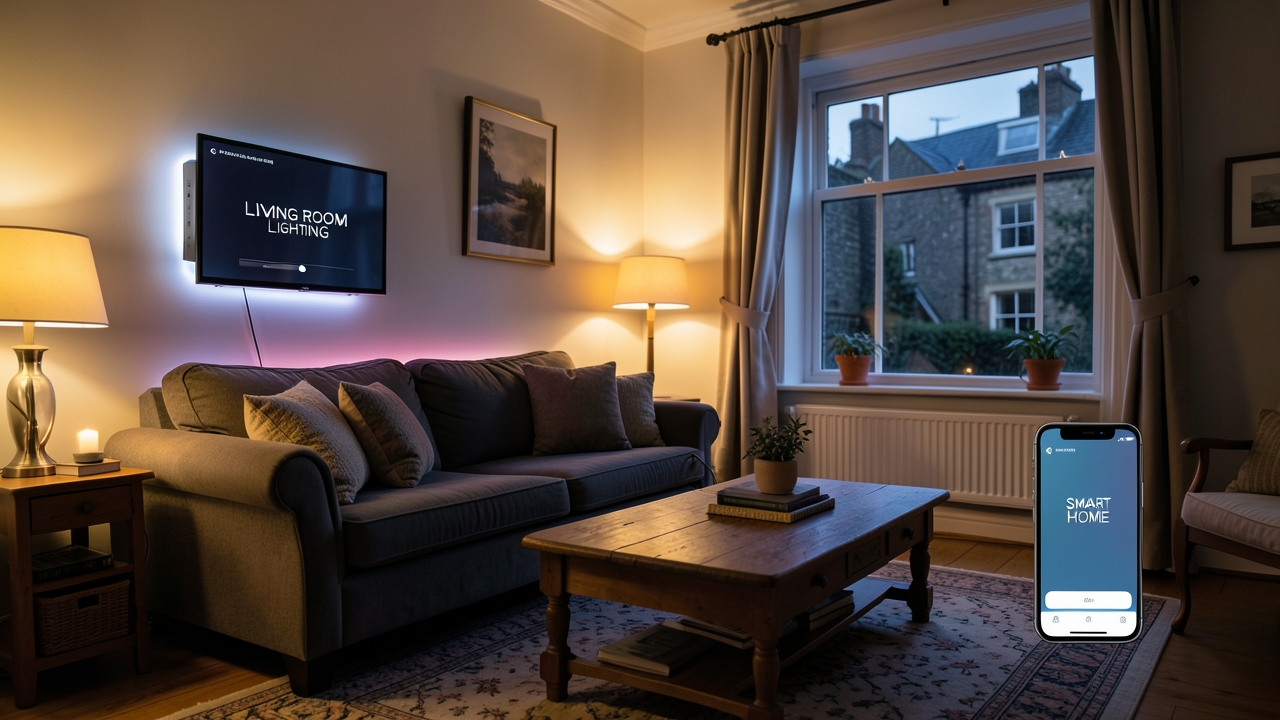
In 2026, UK homeowners can finally embrace smart lighting without the need for extensive rewiring, thanks to the Matter protocol lighting UK ecosystem. This standard offers seamless compatibility, local control, and future-proofing for older properties. Whether you live in a Victorian terrace or a post-war semi-detached, Matter provides a straightforward path to modern home automation.
Matter, backed by tech giants like Apple, Google, and Amazon, ensures devices communicate reliably without cloud dependencies. For UK households, this means enhanced privacy, reduced latency, and lower energy bills. Moreover, with retrofit options, you can upgrade incrementally, saving both time and money.
Understanding Matter Protocol Lighting UK in 2026
The Matter protocol is an open-source, IP-based standard designed to unify smart home devices. For lighting, it enables bulbs, switches, and strips to work together across brands. In the UK, this is particularly beneficial for older homes, where rewiring can be costly and disruptive. According to a 2025 report by Energy Saving Trust, smart lighting can reduce household energy use by up to 15%, making it a savvy investment.
Furthermore, Matter eliminates the need for multiple apps or hubs. You can control your lights via Apple Home, Google Home, or Amazon Alexa, all through a single interface. This interoperability is a game-changer for UK homeowners seeking simplicity. For example, retrofitting a single room can cost as little as £50, depending on the devices chosen.
Comparing Retrofit Lighting Options for Matter
When future-proofing your lighting, you have three main retrofit options: smart bulbs, switches, and LED strips. Each has its pros and cons, especially for older UK housing stock. Below, we break down their features, costs, and installation considerations.
Retrofit Smart Bulbs
Smart bulbs are the easiest entry point into Matter lighting. Brands like Philips Hue and IKEA Tradfri offer Matter-compatible bulbs that screw into existing E27 or B22 sockets, common in UK homes. Prices range from £10 for a basic white bulb to £50 for colour-changing variants. Installation requires no electrical knowledge—simply replace your old bulb.
However, smart bulbs rely on the existing switch being left on. If someone turns off the wall switch, the bulb loses power and connectivity. This can be frustrating in households with manual switches. On the other hand, they offer excellent energy savings and can be controlled remotely via apps or voice commands. For a detailed guide, check out our article on best smart bulbs for UK homes.
Smart Switches and Dimmers
Smart switches replace your existing wall switches, providing a more permanent solution. Devices like the Lutron Caseta or Aqara Smart Switch are Matter-compatible and often require minimal wiring. In the UK, ensure they meet BS 7671 standards for electrical safety. Costs start at around £20 for basic models, rising to £80 for dimmers with advanced features.
Installation may involve basic DIY or a professional electrician, especially in older homes with outdated wiring. For instance, if your home has no neutral wire, you might need a switch designed for such setups. Smart switches offer the advantage of controlling non-smart bulbs, making them versatile. Furthermore, they prevent the issue of bulbs being switched off manually, ensuring consistent connectivity.
Smart LED Strips
Smart LED strips are ideal for ambient lighting in kitchens, bedrooms, or entertainment areas. Matter-compatible strips, such as those from Govee or Yeelight, can be cut to size and adhesive-mounted. Prices average £30 per metre, with controllers adding £10 to £20. They provide customisable colours and effects, enhancing your home’s aesthetic.
Installation is straightforward, but consider power supply placement and surface adhesion. In older UK homes, where walls might be uneven, using mounting clips can help. LED strips excel at creating layered lighting and can be integrated with other Matter devices for synchronized scenes. Moreover, they consume less energy than traditional lighting, aligning with UK sustainability goals. For more inspiration, see our piece on installing smart LED strips.
The Importance of Local Control in Matter Lighting
One of Matter’s standout features is local control, which processes commands directly on your home network without relying on the cloud. This ensures faster response times and greater privacy. In the UK, where broadband outages can occur, local control keeps your lights functional even without internet access. For example, a simple voice command to dim lights executes in milliseconds, rather than seconds.
Furthermore, local control reduces energy consumption, as data doesn’t travel to remote servers. This is beneficial for eco-conscious households and aligns with UK government initiatives like the Smart Systems and Flexibility Plan. Consequently, Matter lighting supports a more resilient and efficient home energy system.
On the other hand, cloud integration can offer additional features like remote access when away from home. However, Matter allows for both local and cloud control, giving you flexibility. Therefore, you can choose to keep critical functions local while enjoying cloud perks for non-essential tasks.
Tailoring Matter Lighting for Older UK Housing Stock
Older UK homes, such as those built before the 1970s, often lack modern wiring infrastructure like neutral wires or grounded circuits. This can complicate smart lighting installation. However, Matter-compatible devices are increasingly designed with retrofit in mind. For instance, some smart bulbs work with trailing-edge dimmers, which are common in UK properties.
In addition, UK regulations require electrical work to comply with Part P of the Building Regulations. When installing smart switches, it’s advisable to consult a certified electrician, especially if you’re unsure about your home’s wiring. The cost of professional installation typically ranges from £50 to £150, depending on the complexity.
Meanwhile, for renters or those on a budget, smart bulbs offer a non-invasive solution. They allow you to enjoy smart lighting without altering fixed wiring, preserving the property’s integrity. As a result, Matter protocol lighting UK is accessible to a wide range of homeowners, regardless of their home’s age or structure.
Additionally, consider the aesthetic of your home. Smart lighting should enhance, not clash with, traditional decor. Many Matter devices come in neutral colours or discreet designs, blending seamlessly into period features. Therefore, you can maintain your home’s character while upgrading its functionality.
Practical Tips for Implementing Matter Lighting
Start small by focusing on high-traffic areas like the living room or hallway. This allows you to test the system without a full commitment. For example, invest in a few smart bulbs and a Matter bridge, which costs around £30, to create a hub for your devices.
Ensure your home Wi-Fi network is robust, as Matter relies on local IP connectivity. Upgrading to a Wi-Fi 6 router, priced from £80, can improve performance. Furthermore, use the Matter-compatible app to set scenes and schedules, maximising energy savings and convenience.
Finally, stay informed about updates. Matter is evolving, with new features released annually. In 2026, expect enhanced security protocols and broader device support. By future-proofing now, you’ll avoid obsolescence and enjoy a smarter home for years to come.
“Matter is not just a standard; it’s a promise of interoperability and longevity in smart home technology,” says tech analyst Sarah Johnson. “For UK homeowners, it represents a practical way to modernise without the hassle of rewiring.”
In conclusion, the Matter protocol lighting UK ecosystem offers a flexible, cost-effective path to future-proof smart lighting. By choosing the right retrofit options and prioritising local control, you can upgrade your home efficiently. Whether you opt for bulbs, switches, or LED strips, the benefits of privacy, reliability, and energy savings are clear.
What are your thoughts on Matter lighting? Have you tried any retrofit options in your UK home? Share your experiences in the comments below, or explore more smart home solutions at ocentrum.com.