
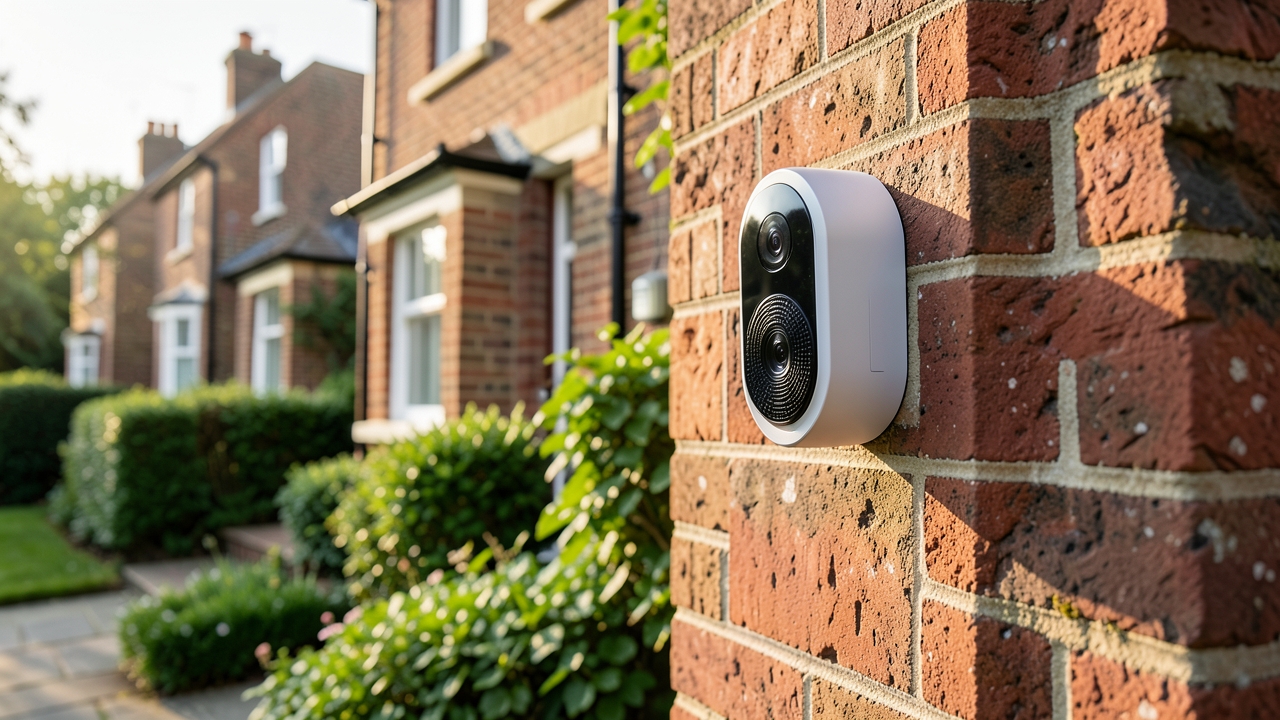
In the UK, smart doorbells have become a common feature in many homes, but with this technology comes important questions about data privacy. The smart doorbell GDPR UK compliance is crucial for ensuring that your personal data is protected under the law. This article explores how leading brands like Ring, Hive, and Arlo adhere to UK data protection regulations in 2026.
Understanding UK GDPR and Its Impact on Smart Doorbells
The UK General Data Protection Regulation (UK GDPR) governs how organisations handle personal data. For smart doorbells, this includes video footage, audio recordings, and location information. Consequently, manufacturers must implement strict measures to safeguard user privacy. Furthermore, non-compliance can lead to significant fines, so brands invest heavily in compliance.
What is UK GDPR?
UK GDPR is the data protection law that came into effect after Brexit. It requires businesses to be transparent about data collection and usage. For example, users must give explicit consent before their data is processed. In addition, individuals have the right to access or delete their data. For more details, you can visit the GOV.UK Data Protection Guide.
Why Smart Doorbells Raise Privacy Concerns
Smart doorbells often capture footage of neighbours, passers-by, and public spaces. Therefore, they collect data on people who may not be users. This creates privacy risks if data is stored or shared improperly. However, reputable brands address these concerns through robust GDPR compliance.
How Ring, Hive, and Arlo Ensure Smart Doorbell GDPR UK Compliance
Major brands have adapted their systems to meet UK GDPR requirements. They focus on data storage, consent mechanisms, and user control. Meanwhile, the UK Information Commissioner’s Office (ICO) oversees enforcement, ensuring that companies adhere to the rules.
Data Storage and Encryption
All three brands use encrypted data storage. Ring, for instance, stores data in UK-based data centres. Hive and Arlo also offer options for local storage via SD cards, reducing cloud dependency. Encryption ensures that even if data is intercepted, it remains unreadable. Prices for these devices vary; for example, the Ring Video Doorbell 4 costs around £179, while the Arlo Essential Doorbell is priced at approximately £149.
Consent and User Control
Consent is a cornerstone of UK GDPR. Ring requires users to opt-in for features like facial recognition. Hive allows granular control over which areas are recorded. Arlo provides easy-to-use privacy zones in their app. Furthermore, users can delete recordings at any time, exercising their right to erasure.
Data Processing and Third Parties
Brands must disclose if data is shared with third parties. Ring shares data with Amazon for cloud services, but this is clearly stated in their privacy policy. Hive processes data within the UK, minimising cross-border transfers. Arlo uses data for analytics but anonymises it to protect identities. Consequently, users can make informed decisions about their data.
“Compliance with UK GDPR is not just a legal requirement but a commitment to user trust,” stated a representative from the ICO in 2026.
Practical Tips for Users to Protect Their Privacy
While brands implement safeguards, users also play a role. Here are some steps to enhance your smart doorbell privacy.
Configuring Your Smart Doorbell for Maximum Privacy
- Enable motion detection zones to avoid recording public areas.
- Turn off audio recording if not needed, as it captures more sensitive data.
- Use two-factor authentication to secure your account.
- Regularly review and delete old footage.
Regular Reviews and Updates
Stay informed about privacy settings through the manufacturer’s app. Furthermore, update your device firmware regularly to patch security vulnerabilities. In addition, check the privacy policy annually for changes. For more tips on home security, visit our smart home security guide.
It’s also wise to consider the overall smart home ecosystem. For instance, integrating with AI writing tools for privacy policies can help you understand terms better. Moreover, ensure your home network is secure with a strong Wi-Fi password.
The Future of Smart Doorbell Privacy in the UK
As technology evolves, so do privacy regulations. In 2026, the UK government is reviewing GDPR to address AI and biometric data. Brands like Ring, Hive, and Arlo are likely to adapt further. Meanwhile, consumers should remain vigilant and advocate for stronger protections.
For a comprehensive list of top devices, check our best smart doorbells UK 2026 review. This includes detailed privacy ratings for each model.
In conclusion, the smart doorbell GDPR UK landscape in 2026 shows significant progress. Brands are prioritising data protection, but user awareness is key. By understanding these measures and taking proactive steps, you can enjoy smart home convenience without compromising privacy.
What are your thoughts on smart doorbell privacy? Have you configured your device for maximum protection? Share your experiences in the comments below!