
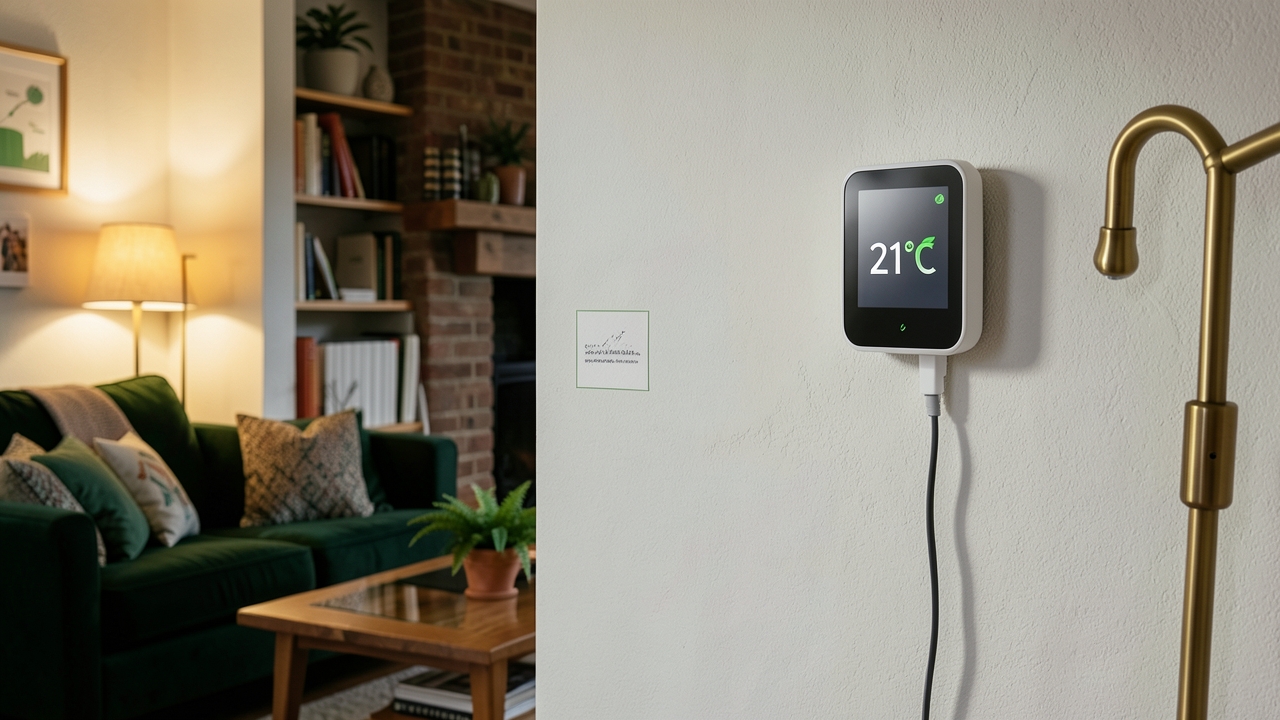
As energy costs continue to rise across the United Kingdom, homeowners are increasingly turning to smart heating UK solutions to regain control over their bills. In 2026, the average UK household spends over £1,500 annually on energy, with heating accounting for a significant portion. Therefore, investing in intelligent heating technology isn’t just a luxury—it’s a practical step towards substantial savings and improved comfort. This ultimate guide explores how smart thermostats, thermostatic radiator valves (TRVs), and zoning can slash your energy expenditure, backed by UK-specific data, costs, and actionable advice.
Furthermore, with government schemes and innovative products readily available, there has never been a better time to upgrade. Let’s delve into the world of smart heating and discover how you can make your home warmer, greener, and more affordable.
What Is Smart Heating and Why It Matters in the UK
Smart heating refers to connected systems that allow you to control your home’s temperature remotely and automatically. These devices learn your habits, adjust to weather patterns, and provide detailed energy usage reports. Consequently, they eliminate the inefficiencies of traditional heating, such as heating empty rooms or overheating spaces.
In the UK, where gas central heating is prevalent in over 80% of homes, smart heating offers a critical upgrade. For example, a standard gas boiler operates at around 70% efficiency, while smart controls can optimise its use, reducing wastage. Moreover, with UK building regulations emphasising energy efficiency, adopting these systems aligns with national goals to reach net-zero emissions by 2050.
Smart Thermostats: The Brain of Your Heating System
Smart thermostats are central hubs that connect to your boiler and allow control via smartphones, voice assistants, or automation. They feature learning algorithms, geofencing (detecting when you’re home or away), and integration with other smart devices. This means your heating can turn down automatically when you leave, saving energy without compromising comfort.
Top UK Models and Costs in 2026
The UK market offers several leading smart thermostats. For instance, the Nest Learning Thermostat (3rd Generation) costs around £220, while the Hive Active Heating kit is priced at £180. Both are compatible with most UK boiler systems. Installation by a professional typically adds £100-£150, but many retailers offer free installation deals.
In addition, newer models like the Tado Smart Thermostat V3+ (£190) offer enhanced features such as smart radiator integration. When choosing, consider compatibility with your existing setup—most work with combi, system, and heat-only boilers common in the UK.
Thermostatic Radiator Valves (TRVs): The Key to Zoning
Traditional TRVs manually adjust radiator heat, but smart TRVs bring precision control to each room. By replacing old valves with smart versions, you can set individual temperatures for different zones. For example, keep bedrooms cooler at night while warming the living room in the evening. This granularity prevents heating unused spaces, which can save up to 15% on energy bills.
How Smart TRVs Work with UK Homes
Smart TRVs like the Drayton Wiser Radiator Thermostat (£60 per valve) or the tado° Smart Radiator Thermostat (£55 each) communicate wirelessly with a central hub or smart thermostat. They use sensors to monitor room temperature and adjust the radiator’s flow accordingly. Consequently, this creates a customised heating schedule for every room.
Furthermore, in UK homes with varying insulation levels—older Victorian terraces versus new builds—zoning via smart TRVs is particularly effective. It ensures heat is distributed where needed, compensating for drafts or poor insulation in specific areas.
Zoning Your Home for Maximum Efficiency
Zoning involves dividing your home into separate areas, each with independent temperature control. Smart heating systems enable this without extensive plumbing. By combining a smart thermostat with multiple smart TRVs, you create zones such as living areas, bedrooms, and home offices. This approach can reduce energy consumption by 20-30%, according to the Energy Saving Trust.
For example, in a typical three-bedroom UK semi-detached house, zoning might include:
- Zone 1: Living room and kitchen—active during daytime and evenings.
- Zone 2: Bedrooms—cooler at night, warmer only in the morning.
- Zone 3: Home office—heated only during working hours.
Moreover, zoning pairs well with other energy-saving measures. For instance, integrating balcony solar panels can power your smart heating system sustainably, reducing both bills and carbon footprint.
UK-Specific Data: Savings and Payback Periods
Let’s talk numbers. According to the Energy Saving Trust (UK), installing a smart thermostat can save the average household £145 annually on gas heating. When combined with smart TRVs and zoning, savings can rise to £300-£400 per year. Therefore, the payback period for a full smart heating system (£500-£800 installed) is typically 2-3 years.
Furthermore, data from Which? in 2025 shows that 70% of users reported lower energy bills after upgrading. For instance, a homeowner in Manchester installed a Hive system with five smart TRVs for £500. They reduced their heating bill from £900 to £600 annually, achieving payback in just 18 months.
In addition, the UK’s Energy Company Obligation (ECO) scheme provides grants for energy efficiency improvements, including smart heating. Low-income households may qualify for free or subsidised installations. Check GOV.UK for ECO scheme details.
Government Grants and Incentives in 2026
The UK government continues to support energy efficiency through various schemes. The Boiler Upgrade Scheme, for example, offers £5,000 grants for heat pump installations, which pair excellently with smart heating controls. Additionally, local councils may have grants for smart home upgrades.
However, eligibility varies, so it’s wise to research options. For comprehensive advice, visit the Energy Saving Trust website, which provides up-to-date UK guidance.
Choosing the Right System for Your Home
Selecting the best smart heating setup depends on your home’s size, boiler type, and budget. Start with a smart thermostat if you’re new to the technology—it offers the biggest immediate savings. Then, add smart TRVs gradually to create zones.
For larger UK homes, consider systems like the Wiser Heating System (£400-£600), which supports up to 32 zones. If you’re tech-savvy, explore compatibility with AI tools. For example, our guide on AI writing tools for SEO might inspire ways to automate energy reports from your smart system.
Additionally, always hire a certified installer (Gas Safe registered for boilers) to ensure safety and compliance with UK regulations. This avoids potential issues with warranties or insurance.
Practical Tips for Maximising Savings
To get the most from your smart heating UK system, follow these steps:
- Set realistic temperatures: Aim for 18-21°C in living areas and 16-19°C in bedrooms.
- Use scheduling features: Program your system to lower heat when you’re asleep or out.
- Maintain your system: Bleed radiators annually and service your boiler to keep efficiency high.
- Insulate your home: Pair smart heating with loft insulation (£300-£500) for compounded savings.
- Monitor usage: Use the app’s insights to adjust habits—small changes add up.
Moreover, consider integrating renewable energy sources. For example, pairing with an EV charger at home can lead to off-peak energy use benefits, indirectly supporting efficient heating if using electric systems.
Conclusion: Embrace Smart Heating for a Warmer, Cheaper Future
In summary, smart heating UK solutions offer a powerful way to combat rising energy costs while enhancing home comfort. From thermostats that learn your routines to TRVs that zone your space efficiently, the technology is proven, accessible, and backed by real savings. With payback periods as short as two years and government support available, 2026 is the ideal time to invest.
Therefore, take the first step today: assess your current heating setup, explore compatible products, and consider consulting a professional. Your wallet and the planet will thank you. Have you already tried smart heating? Share your experiences or questions in the comments below—we’d love to hear from you!
“The future of home heating is smart, efficient, and tailored to individual needs. Start your journey now and unlock significant savings.”
For more on energy-saving tech, explore our guides on smart home devices in the UK and stay updated with the latest innovations.