
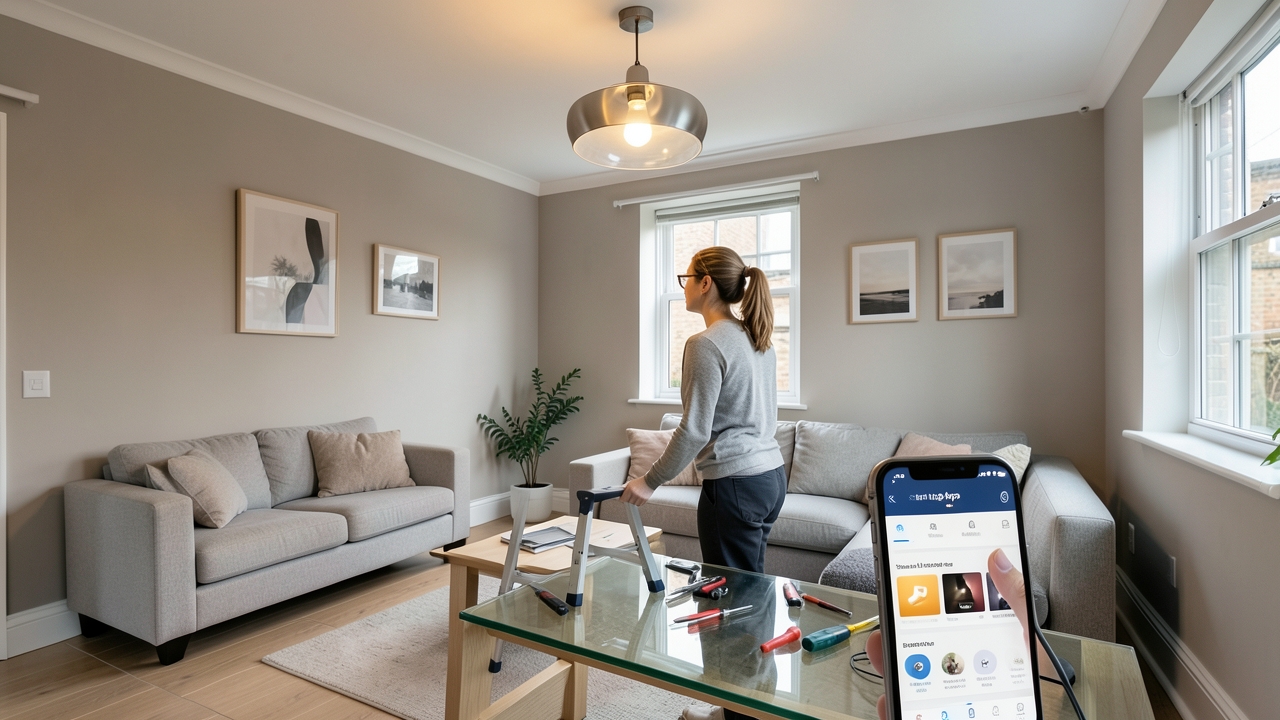
Transforming your home with smart lighting installation UK style is simpler than you might think. This guide walks you through everything a beginner needs to know in 2026. We cover choosing the right system, safe wiring practices, and creating the perfect ambience with scenes and routines.
Hub-Based vs. WiFi Smart Bulbs: Which System is for You?
The first decision in your smart lighting installation UK project is choosing the core technology. Your main options are WiFi bulbs, Zigbee or Z-Wave bulbs requiring a hub, or newer Matter-enabled devices.
WiFi Smart Bulbs connect directly to your home router. Brands like TP-Link Kasa or Hive are popular. They are easy to set up and generally more affordable, with single bulbs starting from £15. However, a large number of WiFi devices can slow down your network.
Hub-Based Systems (like Philips Hue or IKEA TRÅDFRI) use a central hub to communicate with bulbs via Zigbee or Z-Wave. This creates a separate, stable network, reducing WiFi congestion. The initial cost is higher, with a starter kit often costing between £100-£180. Consequently, they are often more reliable for larger, whole-home installations.
Pro Tip: For a few rooms, a WiFi setup is perfect. For a whole-house system, a hub-based or Matter-compatible setup is more scalable.
Understanding UK Wiring Considerations
UK homes typically use a loop-in lighting circuit system. Most ceiling roses and light fittings have a live, neutral, and earth wire. Crucially, your smart lighting installation UK must comply with Part P of the Building Regulations. For any work on fixed electrical wiring, you should use a registered electrician.
However, replacing a bulb is simply a like-for-like swap. Fitting a smart wall switch or dimmer often involves accessing the wiring behind the switch plate. If you are uncomfortable, always call a professional. You can find a registered electrician via the NICEIC website.
Step-by-Step Smart Lighting Installation UK Guide
Step 1: Prepare Your Existing Fixtures
Before starting, ensure your existing light fittings are compatible. Most smart bulbs (like E27 or GU10) are designed for standard UK lamp holders. Turn off the power at the consumer unit (fuse box) before touching any fitting. A simple voltage tester pen (costing around £10) is a worthwhile safety investment.
Step 2: Install Your Hub or Connect to WiFi
For hub systems, plug the hub into your router via an Ethernet cable. Download the manufacturer’s app (e.g., Philips Hue, Hive) and follow the pairing process. For WiFi bulbs, screw them into your existing fittings, turn them on, and follow the in-app instructions to connect them directly to your home network.
Step 3: Fitting Smart Switches (Optional)
A smart switch offers a more seamless experience than smart bulbs alone. The best smart home hubs integrate perfectly with switches like the Lutron Caseta or Legrand Netatmo. Installation involves replacing your existing dimmer switch. This often requires a neutral wire at the switch backbox, which isn’t always present in older UK homes. An electrician can confirm compatibility and perform the safe installation.
Step 4: Set Up Rooms, Scenes, and Routines
The magic of smart lighting is in the control. Within your app, group bulbs into ‘Rooms’ (e.g., Living Room, Kitchen). Next, create ‘Scenes’ – pre-set combinations of colour and brightness for different activities. For example, a “Film Night” scene might dim the main lights to 10% and set floor lamps to a warm amber.
Finally, set up ‘Routines’ or ‘Automations’. For example, you can schedule your hallway lights to turn on 30 minutes before sunset, or have your bathroom light turn on automatically at a low level when you wake up at night. Voice control via Amazon Alexa, Google Assistant, or Apple HomeKit makes these routines even easier.
Cost and Regulatory Considerations for UK Homes
The total cost of your smart lighting installation UK project varies widely. A single smart bulb costs £15-£40. A whole-home hub system for a 3-bed house could be £400-£700, including bulbs and a hub. Professional installation of a smart switch by an electrician typically adds £80-£150 per switch.
Regarding regulations, the UK Government’s electrical safety guidance is clear. While changing a bulb is safe for a competent person, any work on the fixed wiring should be certified. Always use a Part P registered electrician for new switch installations to ensure compliance and safety.
For more ideas on integrating smart lighting with other eco-friendly home tech, explore our guide on balcony solar panels. Combining energy-efficient solar power with smart, automated lighting creates a truly sustainable smart home.
Smart lighting installation in the UK is a fantastic entry point into home automation. It offers convenience, energy savings, and enhances your home’s atmosphere. Start small with one room, master the routines, and expand from there.
Have you started your smart lighting journey? What’s your favourite scene or automation you’ve created? Share your tips in the comments below!