
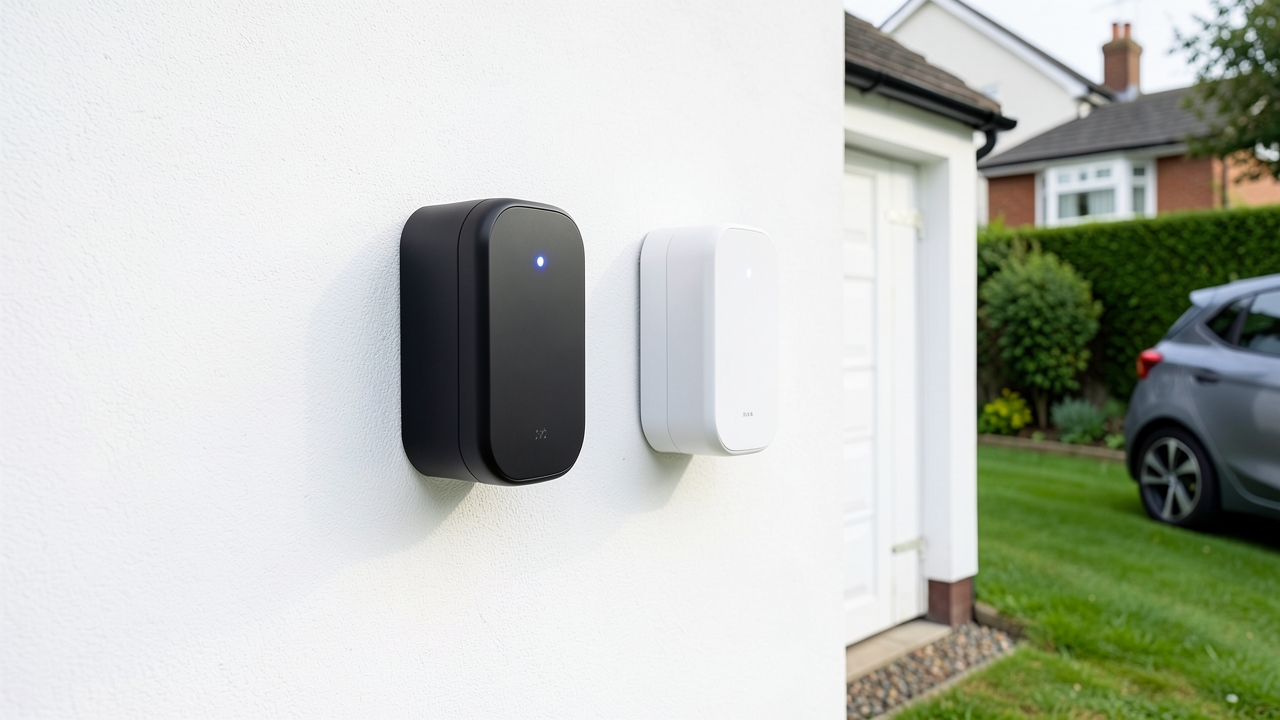
Finding the right home EV charger can feel overwhelming. With dozens of models on the UK market, two brands consistently rise to the top of buyers’ shortlists: Wallbox and Ohme. Both offer smart features, fast charging speeds, and compatibility with the UK’s electrical infrastructure. However, they differ significantly in price, design, and user experience. In this Wallbox Ohme comparison UK guide, we break down the costs, performance, and real-world satisfaction of each brand for 2026 so you can make a confident choice.
Whether you drive a full battery electric vehicle or a plug-in hybrid, a reliable home charger is essential. The UK government’s Electric Vehicle Smart Charge Action requires all new home chargers to be smart-enabled. Therefore, both Wallbox and Ohme must meet this standard. But beyond compliance, each brand brings its own strengths to the table.
Wallbox vs Ohme: Brand Overview
Wallbox is a Spanish company founded in 2015. It has grown into one of the world’s leading EV charger manufacturers. The brand is known for its compact, stylish hardware and a highly rated mobile app. Meanwhile, Ohme is a British company headquartered in London. It focuses exclusively on smart charging software and tariffs. Ohme charges have built a strong reputation for integration with UK energy tariffs.
Both companies hold OLEV (Office for Zero Emission Vehicles) approval. This means their chargers qualify for the EV Homecharge Scheme (EVHS) grant. As of 2026, eligible homeowners can still receive up to £350 towards installation through this scheme.
Wallbox Ohme Comparison UK: Charger Models in 2026
Wallbox Pulsar Plus (7kW and 22kW)
The Wallbox Pulsar Plus remains the brand’s most popular model in the UK. It delivers up to 7.4kW on a single-phase supply or 22kW on a three-phase supply. The unit is remarkably compact — roughly the size of a paperback book. It features a built-in LED ring that indicates charging status at a glance. Furthermore, the Pulsar Plus supports Wi-Fi and Bluetooth connectivity. This allows you to control charging schedules through the Wallbox app.
The Pulsar Plus retails for approximately £449 (7kW model) in 2026. The 22kW version costs around £599. Both prices exclude installation.
Wallbox Commander 2
For drivers wanting a premium experience, the Commander 2 offers a 7-inch touchscreen display. It supports two-way communication with your vehicle and the grid. The Commander 2 also includes integrated DC leakage protection. It costs approximately £899 in the UK for 2026.
Ohme ePod and Ohme Home Pro
Ohme offers two primary models for the UK home market. The Ohme Home Pro is the flagship unit. It delivers up to 7.4kW on a single-phase supply. The Home Pro features a large colour display and integrated cable lock. It also connects to your energy tariff automatically. This allows it to charge your EV at the cheapest and greenest times.
The Ohme Home Pro retails for approximately £529 in 2026. The simpler Ohme ePod costs around £379. The ePod omits the built-in display and relies entirely on smartphone control.
Installation Costs and Requirements
Installation is a significant part of the total cost for any home charger. Both Wallbox and Ohme units must be installed by an OZEV-approved installer. This is a legal requirement in the UK.
A typical installation on a standard UK property with a consumer unit near the garage costs between £300 and £600. However, prices can rise if:
- The consumer unit needs upgrading to support the additional load
- Cable runs exceed 15 metres from the meter to the charger
- Trenching or external trunking is required
- The property has a three-phase supply (for 22kW chargers)
Therefore, the total cost before any grant ranges from approximately £679 to £1,499 for a Wallbox Pulsar Plus, and from £679 to £1,129 for an Ohme Home Pro. After applying the £350 EVHS grant, these figures drop accordingly.
It is also worth noting that both brands require a dedicated 32A circuit. Your electrician will fit a Type B RCD and a 6mA DC leakage detection device. These are mandatory under BS 7671 (18th Edition wiring regulations) for EV charging installations.
Performance and Charging Speed
On paper, both brands deliver identical charging speeds on a standard UK single-phase supply: up to 7.4kW. This translates to roughly 30 miles of range per hour of charging. For most UK drivers covering 20 to 30 miles per day, an overnight charge is more than sufficient.
However, performance differences emerge when you look at smart charging capabilities. The Ohme Home Pro integrates directly with tariffs from providers such as Octopus Energy and Intelligent Go. It automatically adjusts charging times based on real-time electricity prices. Consequently, drivers on time-of-use tariffs can save substantially on running costs.
Wallbox also offers smart scheduling through its app. It supports integration with solar panels for those generating their own electricity. Furthermore, the Wallbox solar integration is particularly appealing for homeowners with rooftop PV systems. Wallbox’s app can prioritise charging from excess solar energy before drawing from the grid.
User Experience and App Quality
User satisfaction is a crucial factor in any Wallbox Ohme comparison UK drivers should consider. Both brands score well in customer reviews, but their approaches differ.
The Wallbox app consistently receives high marks for its clean interface and reliability. Users praise the real-time energy monitoring and the ability to set precise charging schedules. In addition, the Wallbox app supports multi-user access. This is useful for households with more than one EV.
Ohme’s app, on the other hand, excels at tariff integration. Users simply link their energy account, and the charger does the rest. Many drivers describe this as a “set it and forget it” experience. Meanwhile, the built-in display on the Home Pro provides useful information without needing to open your phone.
“Ohme has built its entire identity around making smart charging effortless. If you are on a time-of-use tariff, the Home Pro essentially runs itself.” — Auto Express, 2025 charger review
Energy Savings and Running Costs
According to Energy Saving Trust data, charging an average EV at home on a standard tariff costs approximately 10-12p per mile. However, drivers on smart time-of-use tariffs can reduce this to as little as 2-4p per mile.
This is where Ohme’s tariff integration provides a measurable financial advantage. By automatically shifting charging to off-peak hours, Ohme users on Octopus Intelligent Go, for example, can charge at the Go rate of around 7.5p/kWh. A typical EV battery (60kWh) would cost roughly £4.50 to fully charge at that rate. Over a year, this could save a UK driver £300 to £500 compared to standard tariff charging.
Wallbox chargers can also be scheduled for off-peak hours. However, this requires manual input or third-party integrations. Therefore, the process is slightly less seamless than Ohme’s native tariff matching.
Build Quality and Warranty
Both Wallbox and Ohme offer robust build quality. Wallbox chargers carry an IP55 rating, making them resistant to dust and water jets. Ohme’s Home Pro carries the same IP55 rating. Both are suitable for outdoor installation in UK weather conditions.
Wallbox provides a 3-year warranty as standard. Ohme offers a 3-year warranty on the Home Pro and a 2-year warranty on the ePod. In practice, both brands have low failure rates. Customer satisfaction surveys from sources like Which? consistently rank both brands highly.
Wallbox vs Ohme: Quick Comparison Table
Here is a summary of the key differences at a glance:
Wallbox Pulsar Plus (7kW) — £449
• Compact, stylish design
• Strong app with solar integration
• Manual tariff scheduling
• 3-year warranty
• Ideal for solar panel owners
Ohme Home Pro — £529
• Built-in colour display
• Automatic tariff integration
• “Set and forget” smart charging
• 3-year warranty
• Ideal for time-of-use tariff users
Which Charger Should You Choose?
The right choice depends on your priorities. If you have solar panels and want to maximise self-consumption, the Wallbox Pulsar Plus is an excellent option. Its solar integration is mature and well-regarded. On the other hand, if you are on a smart time-of-use tariff and want the lowest running costs with minimal effort, the Ohme Home Pro is hard to beat.
For budget-conscious buyers, the Ohme ePod at £379 offers smart charging at the lowest price point. However, you sacrifice the built-in display and must rely entirely on the smartphone app.
Ultimately, both brands deliver excellent value in the UK market. You cannot go wrong with either choice. The deciding factor often comes down to your energy tariff and whether you generate your own solar power.
Are you currently considering a home EV charger upgrade? Have you compared Wallbox and Ohme yourself? Share your thoughts or questions in the comments below — we would love to hear about your experience and help you decide.