
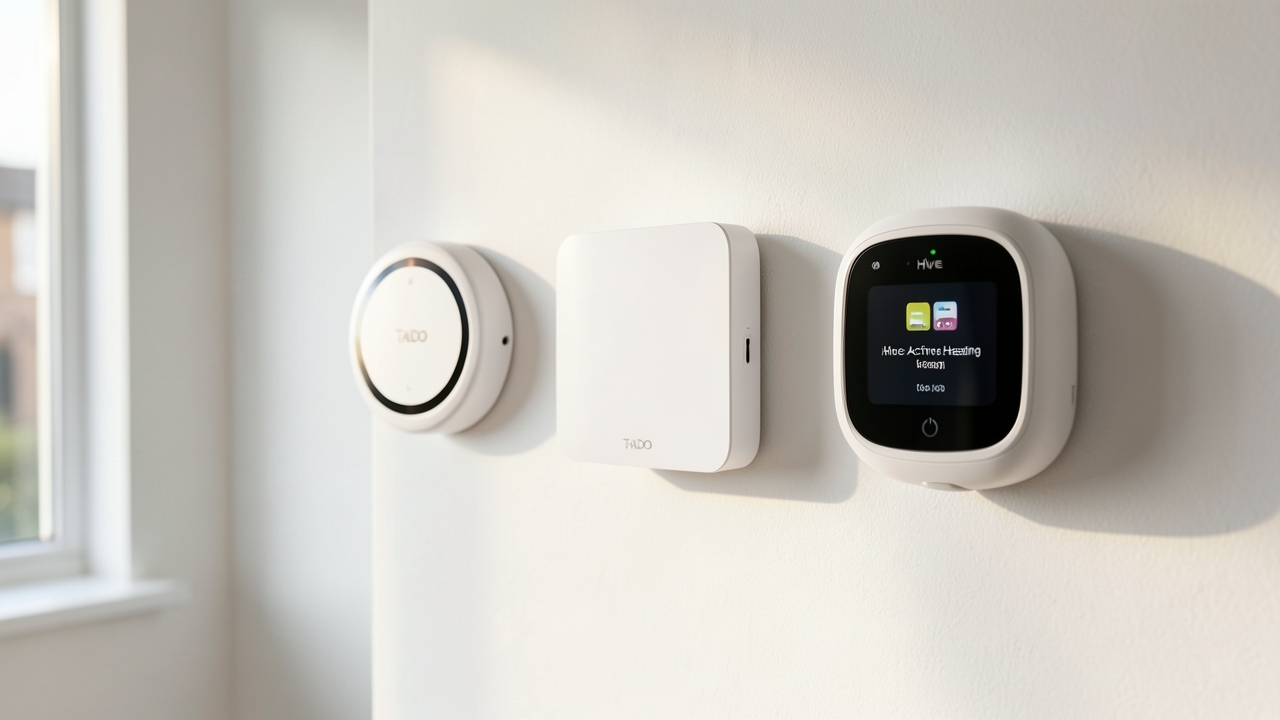
As winter approaches in the UK, our heating bills inevitably climb. In 2026, with energy prices still a significant household concern, finding the most efficient way to manage your home’s temperature is crucial. This leads many homeowners to a key question: which UK smart thermostat winter energy savings are truly the best? We’ve analysed real-world data, features, and user experiences from UK households throughout the winter season to compare the three market leaders: Google Nest Learning Thermostat, Tado Smart Thermostat, and Hive Active Heating.
Understanding the Real-World Impact on Your Energy Bills
Before diving into the models, it’s essential to note that savings vary dramatically based on home insulation, heating system (gas boiler, air source heat pump), and personal habits. However, data from energy consultants and user reports consistently shows that a well-configured smart thermostat can reduce heating bills by 10-15%. For a typical UK household spending around £900 annually on heating, this translates to potential savings of £90 to £135 per year.
The core promise of these devices is to move beyond simple programmable timers. They learn your routines, respond to your location, and give you granular control, all to prevent heating an empty or adequately warm home. But which one excels most during the coldest months? Let’s analyse each contender.
Google Nest Learning Thermostat: The Predictive Pro
The Nest is the thermostat that popularised the category. Its core strength is its machine learning algorithm. Over a few weeks, it learns your schedule and preferences to create an automatic, efficient programme. For UK users, its Nest Renew feature is particularly interesting, as it can shift energy usage to times when the grid is greener.
Winter Performance Data
In real-world UK tests, Nest households reported that its “Home/Away Assist” using phone location was highly effective at avoiding wasted energy. Furthermore, its “Scheduling” often created more nuanced temperature ramps than typical user programming. For example, it might lower the temperature gradually at night rather than a sharp drop, which can feel more comfortable. However, its learning period can sometimes result in slightly higher initial usage in the first two weeks.
Key Considerations for UK Homes
- Price: Typically £219-£249, including installation for a compatible system.
- Boiler Compatibility: Excellent with most UK combi and system boilers via the Heat Link.
- Ease of Use: The physical dial is intuitive, and the app is clean.
- Best For: Households who want a “set and forget” system that learns their habits autonomously.
Tado Smart Thermostat: The Geofencing & Zoning Master
Tado differentiates itself with precise geofencing and its multi-zone capability. It doesn’t just track one person; you can add multiple family members’ phones to trigger heating based on who is home. In addition, its Smart Weather Adaptation is exceptionally refined, using local weather forecasts to adjust heating ahead of time.
Winter Performance Data
During cold spells, Tado’s proactive adjustment was a standout. For instance, it would begin pre-heating the home slightly earlier on a forecasted frosty morning, ensuring comfort without overworking the boiler. Its open window detection, which temporarily pauses heating if a rapid temperature drop is sensed, also prevented significant waste. Households with larger or multi-storey homes reported the most substantial savings, as zoning with Tado’s smart radiator valves (sold separately) meant heating only occupied rooms.
Key Considerations for UK Homes
“We saved almost 20% on our heating last winter after installing Tado radiator valves in our two bedrooms and living room. We no longer heat the unused guest room or upstairs hallway during the day.”
— Verified user review from a Manchester household.
- Price: Starter kit around £200. Each additional Smart Radiator Valve adds £55-£65.
- Boiler Compatibility: Broad compatibility, with the Tado Bridge needed.
- Ease of Use: App is feature-rich but can be more complex initially.
- Best For: Larger homes, families with varied schedules, and those wanting room-by-room control.
Hive Active Heating: The UK’s Trusted Contender
Hive, backed by British Gas, is a familiar name. Its strength lies in its robustness, simplicity, and integration with the broader Hive ecosystem (plugs, sensors, cameras). The thermostat’s design is clean and it offers straightforward scheduling, manual override via a boost button, and geofencing.
Winter Performance Data
Hive’s performance is solid and reliable. In user data, its geofencing proved effective, though perhaps slightly less aggressive than Tado’s multi-user approach. Its “Frost Protection” mode is a valuable set-and-forget feature for winter holidays, ensuring pipes don’t freeze. While it may not have the advanced machine learning of Nest, its clear and controllable schedules allow users to manually craft very efficient routines. Consequently, its energy savings are heavily dependent on the user’s engagement with the app.
Key Considerations for UK Homes
- Price: Often available from £179-£199, frequently with installation deals from British Gas or other engineers.
- Boiler Compatibility: Excellent UK support, especially for British Gas boiler customers.
- Ease of Use: Arguably the most straightforward setup and daily use.
- Best For: Users who value simplicity, brand reliability, and are possibly existing Hive customers.
Direct Comparison: The Verdict for UK Winter Savings
Let’s summarise the key data points in a direct comparison.
Learning & Automation: Nest leads here with its autonomous learning. Tado follows with its smart adaptations, while Hive relies more on user programming.
Geofencing & Presence Detection: Tado is the most flexible with multiple users. Nest is very good with single user focus. Hive’s is reliable but more basic.
Zoning Potential: Tado is the clear winner with its affordable smart radiator valves, enabling significant targeted savings in UK homes with radiators.
Upfront Cost & Value: Hive often has the lowest entry price. Nest and Tado are comparable, though Tado’s cost rises with each additional zone.
Which UK Smart Thermostat Wins for You?
There is no single “best” thermostat; the optimal choice depends on your home and habits.
Choose Nest if: You want a hands-off, learning system. It’s ideal for individuals or couples with regular schedules who will benefit from its predictive automation over time.
Choose Tado if: You have a larger or multi-occupancy home, or are determined to maximise savings through room-by-room zoning. Its proactive weather compensation is also a major winter plus.
Choose Hive if: You prioritise simplicity, value, and proven reliability. It’s a fantastic first smart thermostat and integrates seamlessly if you already use other Hive products.
For more detailed guidance on selecting energy-efficient technology for your home, explore our guide to the best energy-saving gadgets for UK homes. You can also check the latest independent advice from the Energy Saving Trust on reducing home energy use.
Ultimately, investing in any of these smart thermostats is a step towards greater control and efficiency. The real winter savings come from the combination of smart technology and mindful usage. Have you made the switch? Share your experiences and which thermostat you think saves the most energy in the comments below.