
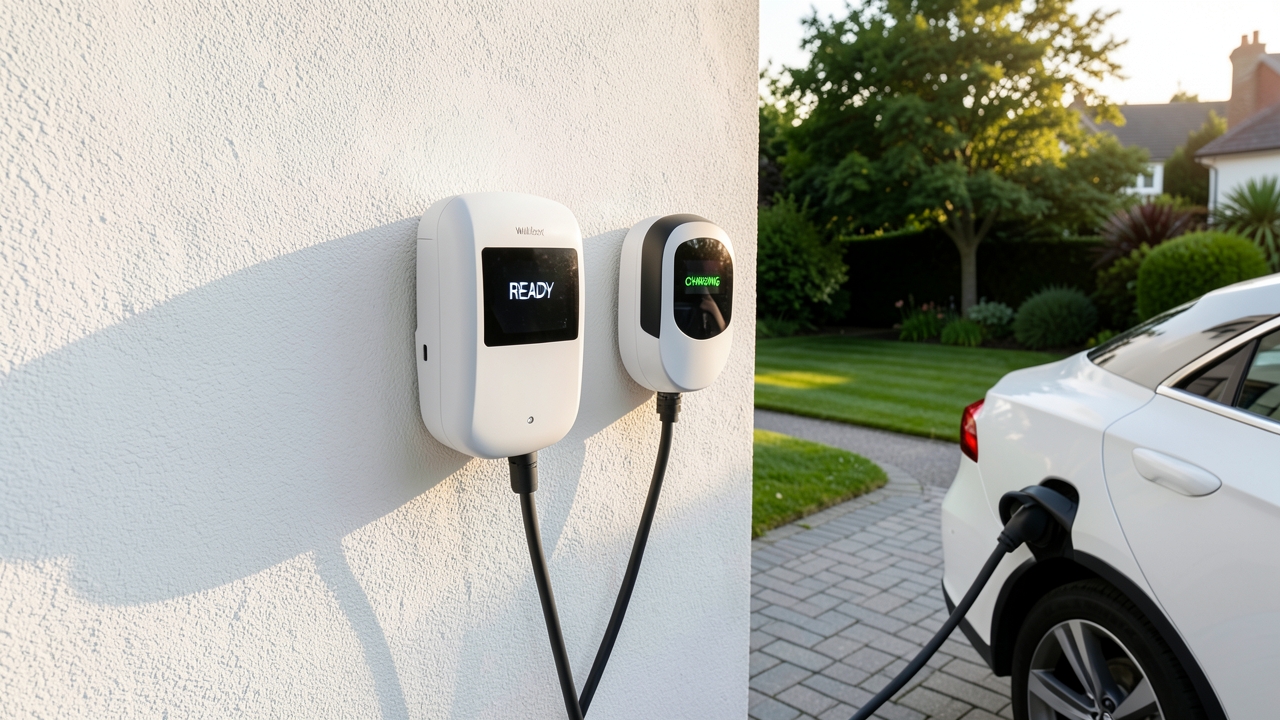
Choosing an electric vehicle charger for your home involves more than just picking a brand. The total cost, including hardware, installation, and ongoing fees, can vary significantly. In this article, we provide a detailed Wallbox Pod Point cost comparison for the UK in 2026, based on real market data and quotes. We’ll break down upfront expenses, labour charges, and smart subscriptions to help you make an informed decision.
With the UK’s push towards electric mobility, home chargers have become essential. However, prices fluctuate due to technology updates, installer rates, and government policies. Therefore, understanding the 2026 landscape is crucial for budgeting.
Understanding EV Charger Costs in the UK
Before diving into brands, let’s outline typical cost components. EV charger expenses usually include the unit itself, professional installation, and optional smart features. Furthermore, the UK government offers grants to reduce costs, but eligibility rules apply.
For instance, the Electric Vehicle Homecharge Scheme (EVHS) provides up to £350 towards installation in 2026, subject to conditions. This grant can significantly lower your out-of-pocket expenses.
On average, a home EV charger in the UK costs between £800 and £1,500 when including installation. However, this range depends on the brand and features you choose.
Wallbox Charger Costs Breakdown
Wallbox is a popular brand known for its sleek design and smart technology. In 2026, their chargers offer various power outputs, from 7kW to 22kW. Let’s examine the costs.
Hardware Prices
The Wallbox Pulsar Plus, a common model for home use, retails for around £550 to £700 in the UK. This price includes a 7.4kW charger with Wi-Fi connectivity. For faster charging, the Wallbox Commander 2 can cost up to £900.
Prices may vary based on colour and additional features. For example, the wallbox with a colour display might be at the higher end of the range.
Installation Labour
Installation fees for Wallbox chargers typically range from £400 to £800. This covers a certified electrician’s time, materials, and compliance with UK regulations. Factors like cable length and your home’s electrical setup can affect this.
For instance, if your consumer unit needs upgrading, costs might increase. It’s advisable to get multiple quotes from installers.
Smart Features and Subscriptions
Wallbox offers a free app for basic control, but advanced features like energy monitoring and integration with solar panels may require a subscription. In 2026, the Wallbox Subscription Service costs approximately £3 per month, unlocking full smart capabilities.
This subscription is optional, so you can use the charger without it. However, for optimised charging and savings, it might be worth considering.
Pod Point Charger Costs Breakdown
Pod Point is another leading UK brand, often associated with public networks. Their home chargers are reliable and come with smart features. Here’s the cost breakdown for 2026.
Hardware Prices
The Pod Point Solo, designed for home use, is priced between £500 and £650 for a 7kW model. This includes a built-in PEN fault protection feature, which is standard in the UK.
For 22kW three-phase charging, the price can reach £800. Pod Point often runs promotions, so checking their website for current deals is recommended.
Installation Labour
Installation costs for Pod Point are similar to Wallbox, generally between £350 and £750. Pod Point has its own network of accredited installers, which can streamline the process.
For example, a standard installation might cost £500, but if additional work is needed, such as trenching for cables, fees could rise.
Smart Features and Subscriptions
Pod Point provides a free app with essential functions, including scheduling and energy tracking. There is no mandatory subscription for smart features in 2026, making it a cost-effective choice for some users.
However, for advanced integrations with home energy systems, third-party services might incur additional fees.
Wallbox vs Pod Point Cost Comparison for 2026
Now, let’s directly compare the total costs. Below is a summary based on average 2026 UK quotes for a 7kW charger with standard installation.
- Wallbox Pulsar Plus: Hardware £600 + Installation £500 = £1,100 total. With £350 grant, net cost £750. Optional subscription: £36/year.
- Pod Point Solo: Hardware £550 + Installation £450 = £1,000 total. With £350 grant, net cost £650. No subscription needed.
As a result, Pod Point often has a slight edge in upfront costs. However, Wallbox might offer better value if you desire advanced smart features. Furthermore, both brands meet UK safety standards and are compatible with most EVs.
It’s important to note that these are estimates. Actual prices can vary by installer, location, and home specifics. For example, in London, installation fees might be 10-20% higher due to labour rates.
Factors Affecting Installation Costs
Several elements influence the final bill. Understanding these can help you budget accurately.
Home Wiring and Electrical Capacity
Older homes may need electrical upgrades to handle EV charging. For instance, if your consumer unit lacks capacity, a replacement could add £200 to £400 to costs. Therefore, a pre-installation survey is essential.
Additionally, long cable runs from the fuse box to the charger location increase material and labour expenses.
Government Grants and Incentives
The EVHS grant is still available in 2026, but eligibility requires owning or leasing an eligible EV and having off-street parking. The grant covers up to £350, including VAT, for installation.
To apply, use an OZEV-approved installer. You can find more details on the GOV.UK website. This can make both Wallbox and Pod Point more affordable.
Choosing the Right Charger for Your Needs
Beyond cost, consider your daily driving habits and future plans. If you have a high-mileage commute, a faster charger like the 22kW Wallbox might be beneficial. Meanwhile, for average use, the 7kW models suffice.
Smart features can enhance efficiency. For example, scheduling charging during off-peak hours saves money on electricity bills. Both brands support this, but Wallbox’s subscription might offer more analytics.
For a deeper dive into charger options, check out our guide on the best EV chargers in the UK. This resource covers additional brands and user reviews.
Additionally, if you’re interested in integrating solar panels with your charger, our article on balcony solar panels explains how to create a sustainable energy system.
Final Thoughts on Wallbox Pod Point Cost Comparison
In summary, both Wallbox and Pod Point offer reliable home charging solutions in the UK. The Wallbox Pod Point cost comparison shows that Pod Point may save you money upfront, while Wallbox provides premium features at a higher price. With 2026 grants available, the net cost difference narrows.
Ultimately, your choice should align with your budget, charging needs, and preference for smart technology. Always obtain quotes from multiple installers to ensure competitive pricing.
What factors matter most to you when choosing an EV charger? Share your thoughts in the comments below – we’d love to hear your experiences with Wallbox or Pod Point!