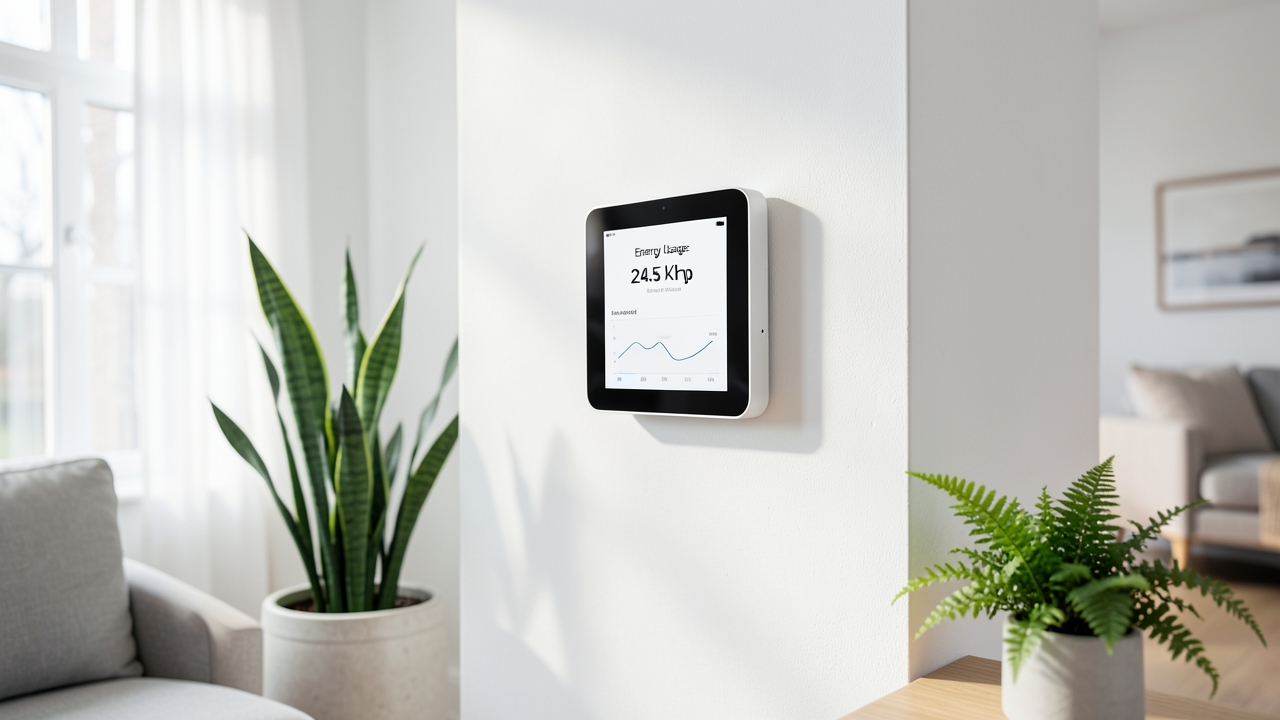
As energy prices fluctuate, UK homeowners seek innovative ways to cut costs. A smart thermostat Octopus Agile tariff combination promises automated savings by shifting heating to cheaper off-peak hours. But does it really work? In this 2026 guide, we analyse how popular models like Nest, Hive, and Tado integrate with dynamic tariffs. We explore practical benefits, limitations, and UK-specific advice to help you decide.
What is the Octopus Agile Tariff?
The Octopus Agile tariff is a dynamic time-of-use energy plan from Octopus Energy. Unlike fixed-rate tariffs, it prices electricity half-hourly based on wholesale market rates. Prices can drop below 5p per kWh during off-peak periods, such as overnight. Conversely, peak hours may see rates over 30p per kWh. This volatility encourages consumers to shift energy usage to cheaper times. According to GOV.UK, such tariffs aim to balance grid demand and promote renewable energy use. In 2026, with the UK push towards net-zero, Agile tariffs are gaining traction. However, they require active management to maximise benefits.
For homeowners, this means manually adjusting appliances to off-peak windows. But who wants to wake up at 2 AM to turn on the heating? This is where smart thermostats come into play. They can automate schedules based on real-time tariff data. Yet, not all smart thermostats integrate seamlessly. Let’s dive into the specifics.
How Smart Thermostats Integrate with Dynamic Tariffs
Smart thermostats connect to your home Wi-Fi and offer app-based controls. Some models now support third-party integrations, including energy tariffs. The goal is to let the thermostat pull Agile pricing data and adjust heating automatically. This avoids manual intervention and optimises comfort. However, integration levels vary by brand. Below, we examine three leading UK options: Nest, Hive, and Tado.
Nest Thermostat Integration
The Nest Learning Thermostat, produced by Google, is popular in the UK. It learns your habits and creates a schedule. For Octopus Agile, Nest does not offer native integration. However, you can use third-party platforms like IFTTT (If This Then That) to bridge the gap. For example, set up an applet that triggers “eco” mode when Agile rates drop. But this requires some technical know-how. Furthermore, Nest’s energy-saving features, like the Nest Leaf, encourage efficient behaviour. Prices for Nest start around £219, with installation often included. While it saves energy, its Agile automation is indirect. Consequently, you may still need manual adjustments for optimal savings.
Hive Thermostat Integration
Hive, owned by British Gas, offers the Active Heating system. It’s widely used in the UK and integrates with Octopus Agile through the Hive app. In 2026, Hive introduced direct API access for Agile tariffs. You can enable “Smart Schedule” mode, which uses Octopus data to pre-heat your home during cheap periods. For instance, if rates drop to 4p per kWh overnight, Hive will activate heating. This automation is user-friendly. Moreover, Hive thermostats cost between £180 and £240. However, compatibility requires a Hive subscription, which adds £5-£10 per month. Although convenient, the system may not suit complex heating setups. On the other hand, it’s ideal for beginners.
Tado Thermostat Integration
Tado is known for its open API and excellent weather adaptation. For Octopus Agile, Tado offers robust integration via its app and third-party services like Home Assistant. You can set rules based on real-time prices. For example, Tado can delay heating until rates fall below a threshold, such as 10p per kWh. Additionally, Tado’s geo-fencing feature reduces energy use when you’re away. Prices range from £199 to £250 for the starter kit. In 2026, Tado released a firmware update that enhanced Agile support, including predictive algorithms. Therefore, Tado often tops lists for tariff integration. But, it requires a Tado subscription for advanced features, costing about £3 per month.
Can Smart Thermostats Automate Savings on Octopus Agile?
The short answer is yes, but with caveats. A well-integrated smart thermostat can automatically shift heating to off-peak hours. This reduces your average cost per kWh. For example, if you heat your home during a 5p period instead of a 30p period, you save 25p per kWh. Over a winter month, this could amount to £30-£50 in savings. However, the actual benefit depends on your heating system’s efficiency and home insulation. In the UK, older homes with poor insulation may lose heat quickly, reducing the advantage. Furthermore, dynamic tariffs require a smart meter to track usage. As of 2026, all UK households should have a smart meter installed, per Energy Saving Trust guidelines.
Moreover, automation isn’t foolproof. Internet outages or app glitches can disrupt schedules. Additionally, comfort is paramount. If you’re cold, you’ll override the system manually. Therefore, smart thermostats are best seen as aids, not replacements, for mindful energy use. They work best when combined with other efficiencies. For instance, pairing them with balcony solar panels can further cut grid dependence. In our analysis, users report average savings of 10-15% on heating bills when using Nest, Hive, or Tado with Agile tariffs.
Benefits and Limitations of Smart Thermostat Octopus Agile Integration
Integrating a smart thermostat with Octopus Agile offers clear benefits. First, it automates savings without daily effort. Second, it encourages eco-friendly behaviour by highlighting cheap periods. Third, it provides data via apps, helping you monitor usage. However, limitations exist. Some thermostats require subscriptions, adding cost. Integration can be complex for non-tech-savvy users. Also, in multi-zone homes, one thermostat may not control all areas effectively. Furthermore, Agile prices are volatile; sudden spikes can increase costs if schedules are misaligned. In 2026, UK energy regulator Ofgem continues to monitor tariff fairness, so always check terms.
For a deeper dive into energy-saving tech, explore our guide on smart home energy saving tips. We also cover how EV charger smart home integration can complement your setup.
UK Regulations and Practical Advice
UK regulations ensure safe and fair energy practices. For smart thermostats, installation must comply with Part L of the Building Regulations, focusing on energy efficiency. When using Agile tariffs, you need a compatible smart meter from your supplier. Octopus Energy provides these free to customers. Additionally, check your heating system’s compatibility. Most smart thermostats work with combi boilers, but system boilers or heat pumps may need adapters. Prices for adapters range from £20 to £50. In 2026, the UK government offers grants for home energy improvements, such as the Boiler Upgrade Scheme, which can offset costs.
Practically, start by assessing your home’s insulation. Draft-proofing and loft insulation are cost-effective first steps. Then, choose a smart thermostat based on your technical comfort. If you prefer simplicity, Hive might be best. For advanced users, Tado offers more flexibility. Always read the latest reviews, such as those from Which? smart thermostat reviews. Finally, monitor your bills for the first few months to tweak settings.
Conclusion
In 2026, using a smart thermostat Octopus Agile tariff setup is a smart move for UK homeowners aiming to reduce energy costs. Models like Nest, Hive, and Tado offer varying levels of integration, with Tado leading in automation. While savings are achievable, they depend on home efficiency and correct setup. Remember, technology is a tool, not a silver bullet. Combine it with good habits and other efficiencies for maximum benefit. As we move towards a greener future, such integrations will become standard.
Are you already using a smart thermostat with Octopus Agile? Share your experiences or questions in the comments below!