
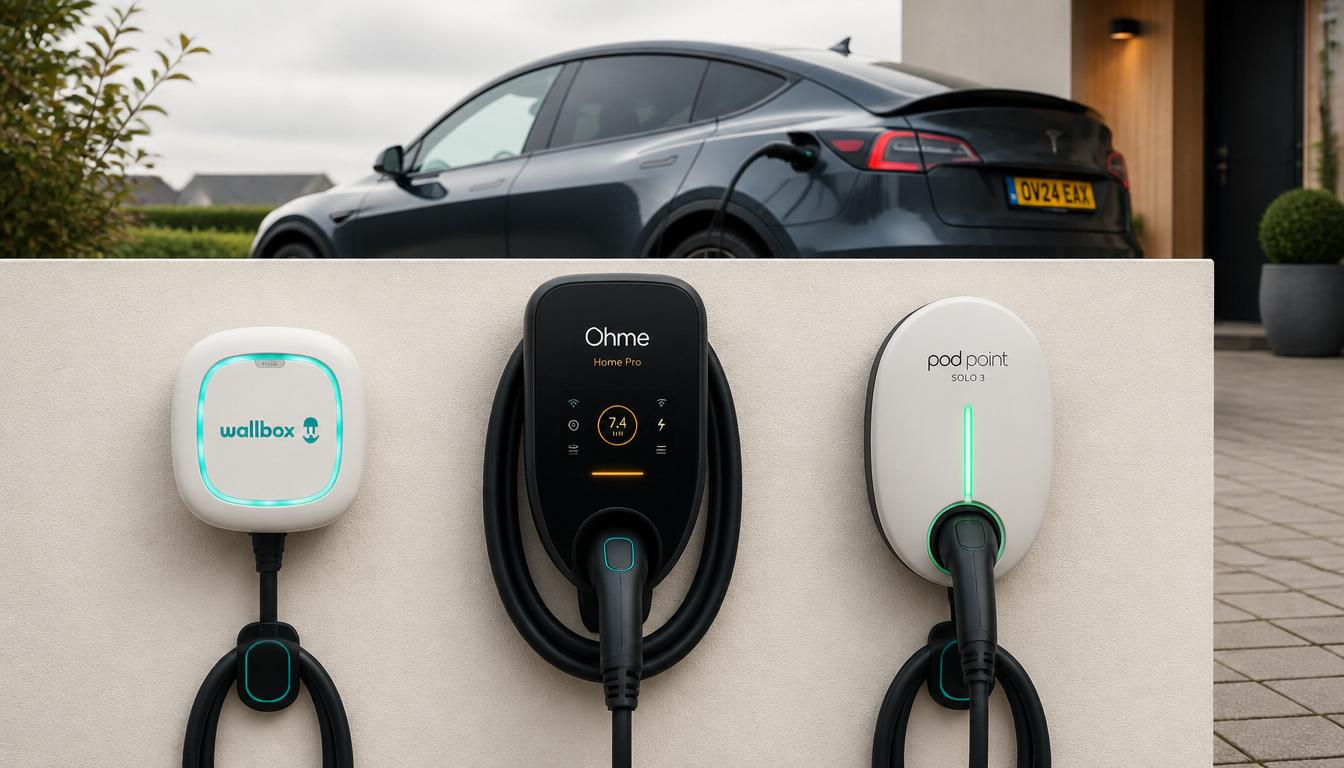
If you own an electric vehicle in the UK — or plan to buy one in 2026 — a home charger is the single most convenient way to keep your battery topped up. But with installation costs varying wildly between brands and electricians, it is easy to overpay. This guide compares the three most popular home chargers — Wallbox, Ohme, and Pod Point — on total cost, installation complexity, and whether the OZEV grant still makes sense in 2026.
What Is the OZEV Grant in 2026?
The Office for Zero Emission Vehicles (OZEV) grant — now officially called the EV Chargepoint Grant — still offers up to £350 off installation costs for homeowners who live in flats, rent their property, or have a dedicated off-street parking space. In 2026, the grant covers 75% of the installation cost, capped at £350. However, the charger itself must be on the government-approved list, and you must use an OZEV-authorised installer. Without the grant, a typical installation runs between £750 and £1,200 in most parts of the UK.
Wallbox Pulsar Plus: Features and Cost Breakdown
The Wallbox Pulsar Plus is a compact, smart charger made in Spain. It supports solar integration, dynamic load balancing, and both Type 1 and Type 2 connectors. In 2026, the unit costs approximately £499, and a standard installation by a qualified electrician adds £250–£350. Total cost before grant: around £849. After the £350 OZEV grant, you are looking at roughly £499. Wallbox also offers a three-year warranty and a well-regarded app that shows real-time charging data and energy usage in kWh.
Ohme Home Pro: Features and Cost Breakdown
The Ohme Home Pro is a British-designed charger that integrates directly with Octopus Energy tariffs such as Intelligent Octopus Go. The unit price is £549, and installation typically costs £250–£375. Total cost before grant: around £924. With the OZEV grant applied, you pay roughly £574. The Ohme app is arguably the smartest on the market — it schedules charging during cheap-rate periods automatically, saving the average driver £200–£300 per year compared to a standard dumb charger.
Pod Point Solo 3: Features and Cost Breakdown
Pod Point is one of the most recognised names in UK EV charging. The Pod Point Solo 3 retails at £459, making it the cheapest unit of the three. Installation costs are similar at £250–£350. Total before grant: approximately £809. After the OZEV grant: around £459. The Solo 3 lacks solar integration and dynamic load balancing, but it is reliable, well-built, and comes with a three-year warranty. Pod Point also has the largest network of authorised installers in the UK, so lead times are shorter.
Brand Overview: Wallbox vs Ohme vs Pod Point
Wallbox is a Spanish company (founded 2015) known for compact, stylish chargers with strong solar integration. Ohme is a British company headquartered in London, focused on smart charging software and deep UK energy tariff integration. Pod Point is one of the most recognised names in UK EV charging, offering reliable, no-fuss units at the most competitive prices. All three hold OLEV approval and qualify for the EV Chargepoint Grant in 2026.
Installation Requirements & Costs
All three chargers require installation by an OZEV-approved installer — this is a legal requirement in the UK. A standard installation on a property where the consumer unit is near the parking space typically costs £250–£400. However, costs can rise if your consumer unit needs upgrading, cable runs exceed 15 metres, or trenching is required. All installations must comply with BS 7671 (18th Edition Wiring Regulations) and include a Type B RCD and 6mA DC leakage protection device.
Total cost ranges (before OZEV grant):
- Wallbox Pulsar Plus: £699–£849 (unit £449 + installation £250–£400)
- Ohme Home Pro: £799–£949 (unit £549 + installation £250–£400)
- Pod Point Solo 3: £709–£859 (unit £459 + installation £250–£400)
- Wallbox Commander 2: £1,149–£1,299 (premium model with touchscreen)
- Ohme ePod: £629–£779 (budget Ohme, smartphone-only control)
Smart Features & UK Energy Tariff Integration
The biggest difference between these brands is how they handle smart charging and UK energy tariffs:
Wallbox Pulsar Plus gives the driver maximum control through a feature-rich app with real-time energy monitoring, multi-user access, and solar integration. It can prioritise charging from excess solar energy before drawing from the grid. However, scheduling for off-peak tariffs requires manual setup of time bands.
Ohme Home Pro excels at automated tariff integration — it connects directly to Octopus Energy’s Intelligent Go and other dynamic tariffs, automatically shifting charging to the cheapest periods. Drivers report £300–£500 annual savings vs standard tariff charging. It is the best “set and forget” option for UK time-of-use tariff users.
Pod Point Solo 3 focuses on simplicity. Its app offers basic scheduling and remote control but lacks the advanced dynamic pricing integration of Ohme or the solar prioritisation of Wallbox. It is reliable and well-built, but not the smartest option available.
Quick Comparison Table
| Feature | Wallbox Pulsar Plus | Ohme Home Pro | Pod Point Solo 3 |
|---|---|---|---|
| Unit Price (7kW) | £449 | £549 | £459 |
| Total After Grant | ≈ £499 | ≈ £574 | ≈ £459 |
| Smart Tariff Integration | Manual setup | Automatic | Basic |
| Solar Integration | ✅ Yes | ❌ No | ❌ No |
| App Quality | ⭐⭐⭐⭐⭐ | ⭐⭐⭐⭐ | ⭐⭐⭐ |
| Warranty | 3 years | 3 years | 3 years |
| IP Rating | IP55 | IP55 | IP55 |
| Best For | Solar owners, control fans | Tariff optimisers | Budget buyers |
Build Quality & Warranty
All three brands carry an IP55 rating — dust and water-jet resistant, suitable for outdoor UK installation. Wallbox and Pod Point offer 3-year warranties as standard. Ohme offers 3 years on the Home Pro and 2 years on the ePod. Customer satisfaction from sources like Which? is consistently high across all three brands, with low failure rates reported.
Which One Should You Choose?
If you want the lowest upfront cost, the Pod Point Solo 3 at £459 after grant is the clear winner. If you value smart energy features and have an Octopus tariff, the Ohme Home Pro will save you more in the long run despite the higher purchase price. The Wallbox Pulsar Plus sits in the middle — excellent build quality and solar readiness at a competitive price. Whichever you choose, always use an OZEV-authorised installer to qualify for the grant, and check that your home has a suitable consumer unit before booking installation.
EV Charger Cost Calculator
Estimate your installation cost and annual charging bill — free, no sign-up.