In 2026, UK households are increasingly turning to smart plug time-of-use tariffs to slash their electricity bills. With energy prices fluctuating throughout the day, smart plugs offer a simple way to run appliances during cheaper off-peak hours. This guide will walk you through optimising your smart plugs to maximise savings on time-of-use tariffs.
What Are Time-of-Use Tariffs in the UK?
Time-of-use tariffs are electricity pricing schemes that change the cost per kilowatt-hour (kWh) depending on the time of day. Off-peak hours, typically overnight, offer lower rates, while peak hours during the day have higher prices. In the UK, many energy providers now offer these tariffs, especially with the rollout of smart meters.
How Smart Meters Enable Time-of-Use Tariffs
Smart meters record your electricity usage in half-hourly intervals. This data allows energy suppliers to apply different rates automatically. According to GOV.UK, over 30 million smart meters are expected to be installed in UK homes by the end of 2026, making time-of-use tariffs more accessible.
Benefits of Using Smart Plugs with Time-of-Use Tariffs
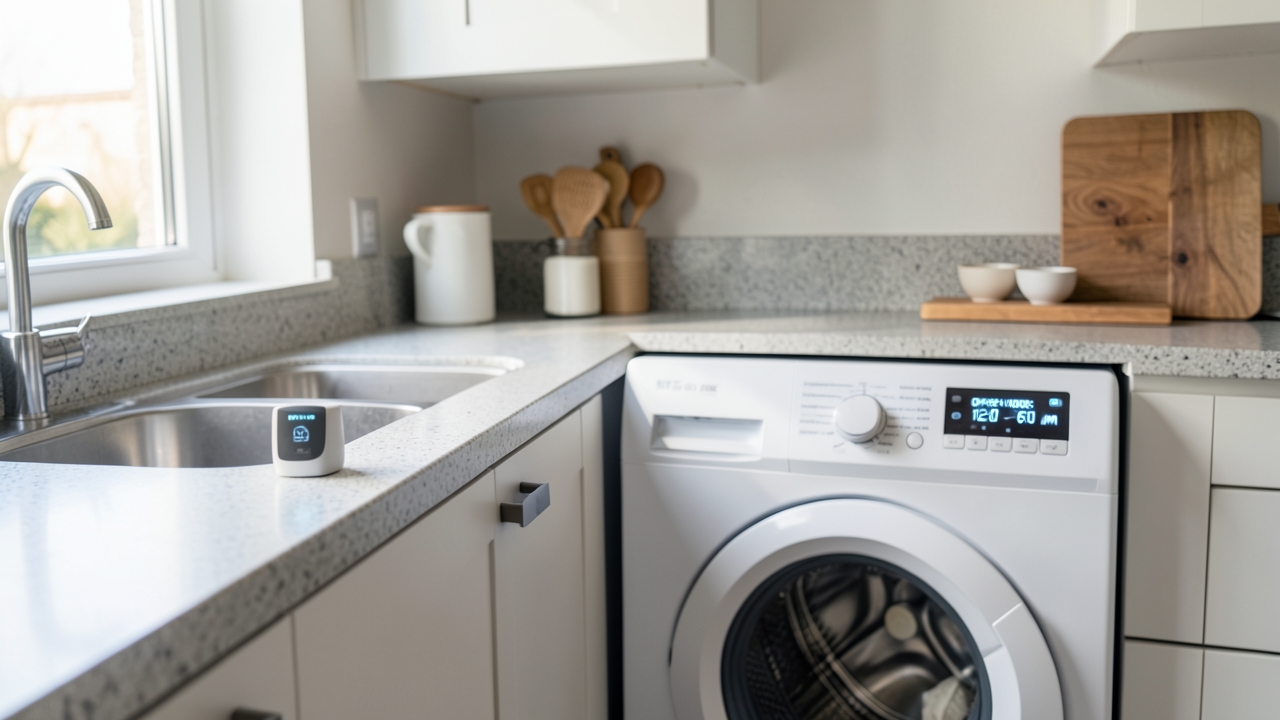
Smart plugs act as intermediaries between your appliances and the wall socket. They can be controlled remotely via smartphone apps. When paired with time-of-use tariffs, you can schedule energy-intensive devices to run only during off-peak periods. For example, a washing machine set to start at 2 AM instead of 6 PM could save up to 40% on that cycle.
Furthermore, smart plugs provide real-time energy monitoring. You can track how much electricity each device uses, helping you identify wasteful habits. In addition, some models offer compatibility with voice assistants like Amazon Alexa or Google Assistant, adding convenience. For a list of top-rated options, see our best smart plugs UK 2026 guide.
Step-by-Step Guide to Optimising Smart Plugs
Step 1: Choose the Right Smart Plug
Not all smart plugs are created equal. Look for models that support scheduling, remote access, and energy monitoring. In the UK, popular options include the TP-Link Kasa Smart Plug or the Hive Active Plug, which are available for around £15-£25. Ensure the plug is compatible with your home Wi-Fi network and your energy provider’s app if integration is required.
Step 2: Set Up Your Smart Plug with Your Energy Provider
Some smart plugs can integrate directly with your smart meter data. Check if your energy provider, such as Octopus Energy or British Gas, offers APIs or partnerships for smart plug automation. For instance, Octopus Energy’s Agile tariff provides half-hourly pricing, which can be synced with certain smart plugs to automate usage.
Visit our guide on smart energy monitoring for more details on integrating devices with your energy setup.
Step 3: Automate Appliance Schedules
Identify appliances that can run during off-peak hours without affecting your routine. Good candidates include washing machines, dishwashers, tumble dryers, and electric vehicle chargers. Use the smart plug’s app to set schedules. For example, configure your washing machine to start at 11 PM when off-peak rates begin.
Additionally, consider appliances with delayed start features. Many modern machines allow you to set a timer, but smart plugs add an extra layer of control. Remember to factor in the appliance’s cycle time to ensure it completes before peak hours resume.
Step 4: Monitor and Adjust Usage
After setting up, regularly check the energy consumption data from your smart plug. Most apps provide historical usage and cost estimates. If you notice higher-than-expected costs, adjust your schedules. For example, during winter, you might run the heating overnight if you have storage heaters, but ensure safety is prioritised.
Consequently, continuous monitoring helps you fine-tune your setup for maximum savings. You can also compare your usage with neighbours or national averages to see how you’re doing.
Real Cost Savings from UK Households
Data from UK households shows significant savings. A study by Which? found that households using time-of-use tariffs with smart plugs saved an average of £150-£200 per year. For example, running a dishwasher off-peak instead of peak can save about 50p per cycle.
Moreover, in 2026, with electricity prices averaging around 25p/kWh during peak hours and 10p/kWh off-peak, the potential savings are substantial. Consider a family using a tumble dryer three times a week: shifting these loads to off-peak could save over £100 annually.
“We’ve saved nearly £180 on our electricity bill this year by using smart plugs to run our washing machine overnight. It was so easy to set up, and we hardly notice the difference.” – Sarah, Manchester
Tips for Maximising Savings
- Combine smart plugs with other energy-efficient appliances for cumulative savings.
- Use smart plugs to eliminate standby power – turn off devices completely when not in use.
- Participate in demand response programs where available, such as Octopus Energy’s Power-up events.
- Regularly update your smart plug firmware to ensure optimal performance.
In addition, consider reading our article on EV charging during off-peak hours for more ways to reduce costs. Furthermore, the Energy Saving Trust provides valuable advice on reducing household energy consumption.
On the other hand, it’s important to balance convenience with savings. For instance, some appliances, like refrigerators, cannot be scheduled off-peak. However, smart plugs can still help monitor their energy use.
UK Regulations and Safety Considerations
When using smart plugs, adhere to UK safety standards. Ensure the plug has a CE or UKCA mark and is used with compatible appliances. Avoid overloading sockets, especially with high-wattage devices like electric heaters. The Health and Safety Executive recommends checking electrical ratings to prevent fire hazards.
Therefore, always follow manufacturer guidelines and consult a qualified electrician if unsure. Safety should never be compromised for savings.
The Future of Smart Plugs and Energy Tariffs
Looking ahead, smart plug technology will evolve with AI and machine learning. For example, future models may automatically adjust schedules based on real-time grid demand and your usage patterns. As the UK moves towards a net-zero carbon target, such innovations will become more prevalent.
Consequently, investing in smart plugs now prepares you for upcoming advancements. Moreover, government incentives, like the Smart Export Guarantee, may allow households to benefit from exporting surplus energy.
In summary, optimising smart plugs for time-of-use tariffs is a practical and effective way to reduce electricity bills in 2026. By following the steps outlined, UK households can achieve significant savings while contributing to a greener energy future. Have you started using smart plugs with time-of-use tariffs? Share your tips or questions in the comments below!
Smart Plug Energy Savings Calculator
Find out how much standby power costs you — and what a smart plug could save.