Managing your home’s energy costs has become a strategic game in 2026. With the Octopus Agile smart thermostat combination, UK households can unlock unprecedented savings by aligning heating schedules with the grid’s cheapest, greenest electricity. This powerful integration transforms your thermostat from a simple controller into an intelligent bill-reduction tool. Let’s explore exactly how it works and how you can set it up.
How Does the Octopus Agile Tariff Work?
First, let’s understand the foundation. Octopus Agile is a dynamic, time-of-use tariff from Octopus Energy. Unlike a flat-rate tariff, its price per kilowatt-hour (p/kWh) changes every 30 minutes. Prices are published the day before. They are influenced by wholesale energy costs, wind generation, and overall national demand.
This means electricity can be very cheap overnight and during windy, sunny periods. However, it can also be more expensive during peak evening demand. For example, in early 2026, average Agile rates might dip below 10p/kWh between 2am and 5am, but rise above 35p/kWh from 5pm to 8pm. The key is to shift your heavy energy use—like heating and charging—to the cheap windows.
Why a Smart Thermostat is Essential for Agile
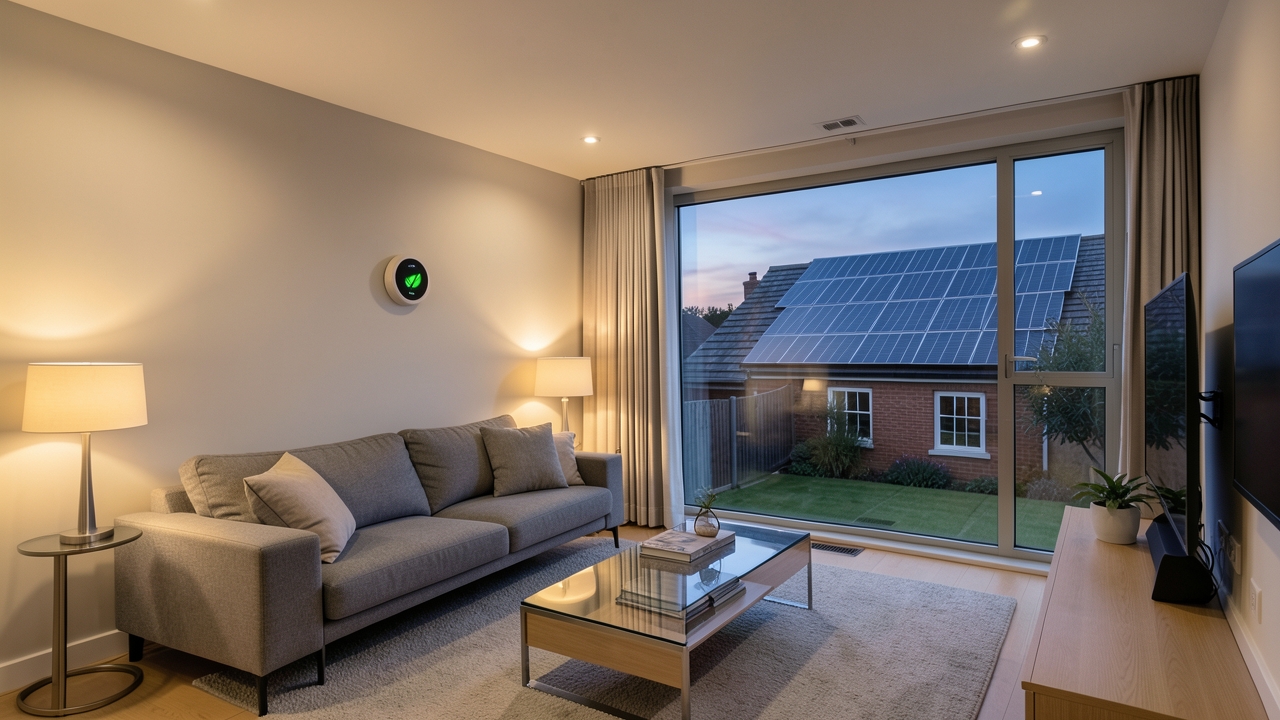
This is where the Octopus Agile smart thermostat synergy becomes crucial. A standard thermostat runs on a fixed schedule. It cannot react to tomorrow’s prices. A smart thermostat like Nest or Hive, however, can be integrated with Octopus’s API to receive real-time pricing data. Consequently, it can automatically adjust your heating.
The goal is simple: pre-heat your home using cheap, off-peak electricity. You can then let the house’s insulation maintain warmth during the expensive evening peak. In addition, for homes with electric heating or thermal storage, this strategy is even more powerful. It directly decouples your heating cost from peak pricing.
Real-World Savings: Potential Bill Reduction in 2026
Let’s look at a practical example. Assume a UK household uses an average of 10 kWh of electricity per day for heating. On a standard flat tariff at 24p/kWh, the daily cost is £2.40.
Using an Octopus Agile smart thermostat, you could shift 80% (8 kWh) of that heating to off-peak hours averaging 8p/kWh. The remaining 2 kWh during peak might average 32p/kWh. The new daily cost: (8 * 0.08) + (2 * 0.32) = £0.64 + £0.64 = £1.28. That’s a saving of over 45% on your heating bill. Over a year, this could amount to hundreds of pounds. Furthermore, you’re often using greener grid power during high-wind periods.
Data Point: According to user reports and analysis, optimising an Octopus Agile tariff with smart automation typically yields household savings between 15% and 30% on total electricity bills, compared to a standard variable tariff.
Step-by-Step Integration Guide: Nest & Hive
Option 1: Using a Service like Home Assistant (Most Flexible)
This is the most powerful method for a fully automated Octopus Agile smart thermostat setup. Home Assistant is a free, open-source home automation platform running on a Raspberry Pi.
- Step 1: Install Home Assistant and set up the compatible smart home hub.
- Step 2: Add the Nest or Hive integration to Home Assistant.
- Step 3: Install the official “Octopus Energy” integration. This feeds live Agile rates into your system.
- Step 4: Create “Automations.” For example: “If the Agile rate for the next hour is below 10p/kWh, set the Nest thermostat to 21°C. If it’s above 30p/kWh, set it to 18°C.”
Option 2: Using IFTTT (Simpler Alternative)
For a simpler setup, IFTTT (If This Then That) can link your services. You can create applets such as: “If Octopus Agile rate drops below 8p, then set Nest to heating mode.” The control is less granular than Home Assistant but still effective for basic load shifting.
Beyond Heating: The Full Picture
Remember, an Octopus Agile smart thermostat is one piece of a larger puzzle. To maximise savings, consider integrating your EV charger and high-draw appliances like washing machines. Charging your electric vehicle when rates are negative (you get paid to use electricity) is a reality on Agile. According to government guidance, using smart controls is a key part of managing renewable energy in the home.
Therefore, a smart thermostat acts as the gateway to this ecosystem. It provides the foundational intelligence for your home’s energy management, ensuring you live comfortably while paying less.
Is It Worth It in 2026?
Absolutely, for the right household. The Octopus Agile smart thermostat combination is most beneficial for:
- Well-insulated homes that retain heat effectively.
- Households with flexible schedules or those who can benefit from pre-heating.
- Properties with electric heating or heat pumps.
- Tech-comfortable users willing to spend a little time on initial setup.
The upfront cost of a Nest or Hive thermostat (typically £180-£250) can often be recouped within the first 12-18 months of optimised Agile usage. The result is not just lower bills, but a more responsive, efficient, and greener home.
Are you already using a smart thermostat to tame your energy bills, or is this the nudge you needed to explore dynamic tariffs? Share your experiences or questions in the comments below!