
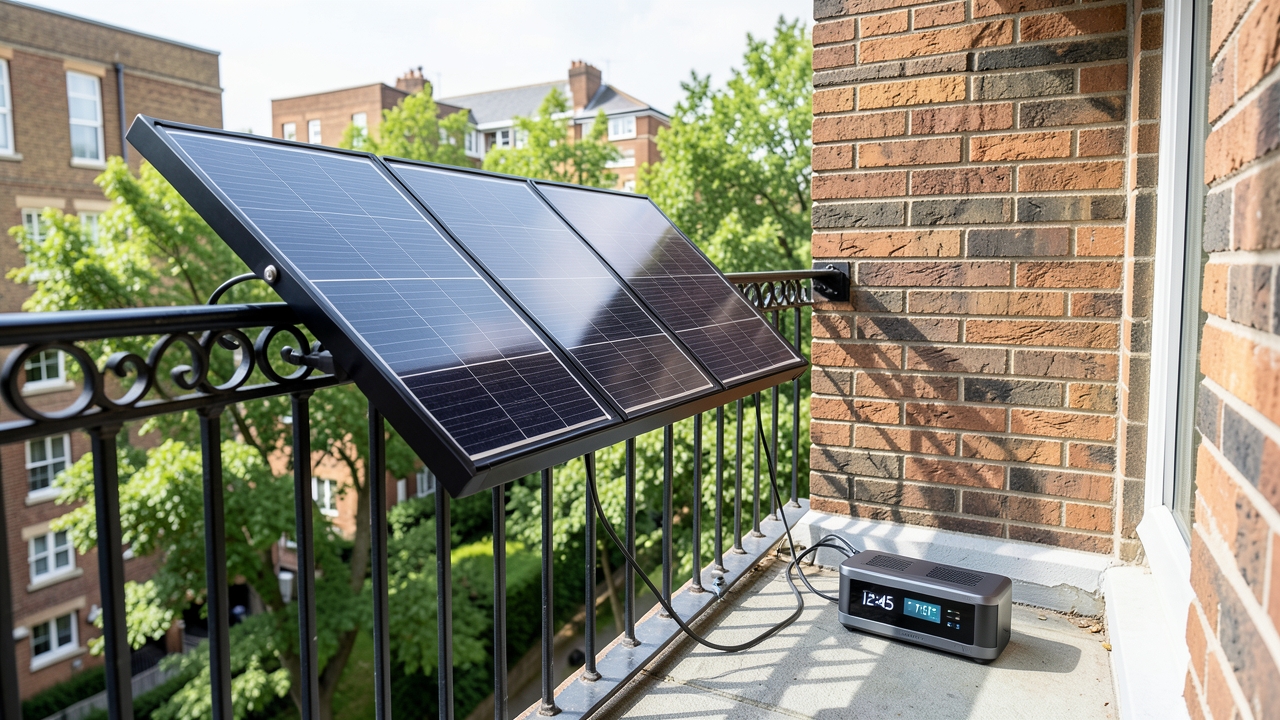
The idea of harnessing free solar energy is incredibly appealing, especially with rising electricity bills. For many in the UK, however, being a renter can seem like a barrier. If you’re considering a renter solar installation UK project, particularly with temporary plug-in balcony kits, you’re not alone. The good news is that in 2026, it’s often more feasible than you think. This guide explores the legalities, lease agreements, and practical steps to make it happen.
Firstly, it’s crucial to distinguish between permanent, grid-tied solar panels and the temporary, plug-in systems now popular on balconies. For renters, the latter category is the primary focus. These kits are non-permanent, don’t require complex wiring, and can be removed without causing damage. This key characteristic changes the legal and practical landscape significantly.
Understanding Your Lease and Freeholder Rules
The starting point for any renter solar installation UK is your tenancy agreement. You must scrutinise this document for clauses regarding alterations, fixtures, and external modifications. Many agreements prohibit anything that changes the fabric of the building. However, a temporary, removable balcony solar kit may not fall into this category.
If you live in a flat, your landlord is likely also subject to the terms of the building’s freeholder or management company. Their consent might be required for anything visible from outside. For example, a rule about not placing “structures” on balconies could be cited. Therefore, proactive communication is your most powerful tool.
How to Approach Your Landlord or Management Company
Contact your landlord or letting agent in writing. Clearly explain that you wish to install a temporary, fully removable solar panel system. Emphasise that it requires no drilling, creates no damage, and will be removed when you leave. You can highlight the benefits: reduced electricity use from common areas if you share a bill, and a smaller carbon footprint for the property.
Furthermore, providing details of the specific kit can help. For instance, mention its weight, secure but non-invasive mounting system (e.g., weighted base or railing clamps), and that it plugs directly into a standard socket. This demonstrates responsibility and allays concerns about safety or permanent alteration.
The Legal Framework for Temporary Installations
In the UK, planning permission is generally not required for small-scale, domestic solar PV equipment on buildings. However, this can differ for listed buildings, conservation areas, or properties in Areas of Outstanding Natural Beauty (AONB). As a renter, any planning requirement would typically fall on the building owner, but it’s a point to be aware of.
The more relevant legal area is the law of “nuisance” and building safety. Your installation must not interfere with neighbours’ right to light or create a hazard. For example, cables trailing across a shared walkway would be a major issue. A neat, self-contained balcony system, however, typically satisfies these concerns. The UK government’s guidance on smart export guarantees also applies to microgeneration, though for a small balcony kit, you’re more likely to use all the power you generate.
Choosing a Renter-Friendly Balcony Solar Kit
Not all solar panels are suitable for renters. You need a system designed for temporary, portable use. Key features to look for include:
- Plug-in Operation: The kit should connect to a standard 3-pin UK plug, often via a micro-inverter. This avoids any need for hardwiring.
- Non-Penetrative Mounting: Look for systems with sturdy, weighted bases or specially designed railing clamps that don’t require screws or bolts.
- Modularity: Start small with one or two panels. You can often expand the system later if permitted.
As of 2026, prices for a starter kit (one 400W panel with micro-inverter and mounting) typically range from £250 to £450. You can explore a comprehensive range of balcony solar panels designed for UK homes and flats, which often include all necessary mounting hardware.
Practical Steps for Your Renter Solar Installation
Once you have landlord approval, follow these steps for a smooth installation:
1. Site Assessment: Check your balcony’s orientation. South-facing is ideal, but south-east or south-west also works well. Ensure there are no obstructions casting shade for most of the day.
2. System Setup: Assemble the panels and mounting system on your balcony floor. Secure them as per the manufacturer’s instructions. Never lean them against a railing without proper securing.
3. Safe Cabling: Route the cable from the panel to the micro-inverter, and then to your indoor socket. Use cable clips to run it neatly along the balcony edge or wall. Ensure it doesn’t cross any doorways or create a trip hazard.
4. Use and Maintenance: Plug it in on sunny days. The system will automatically generate electricity. Periodically wipe the panels clean to maintain efficiency. Remember, this is a supplementary power source. It’s excellent for charging laptops, phones, or running a small fridge, but it won’t power your entire flat.
The Bigger Picture and Your Rights
While the focus is on your flat, this trend pushes the UK towards more renewable energy. Landlords and management companies are increasingly recognising the value of green amenities. A successful renter solar installation UK project can even increase a property’s appeal.
According to the Energy Saving Trust, even small-scale solar generation makes a tangible difference to carbon emissions. Furthermore, using solar-generated power directly reduces your reliance on the grid and protects you from volatile energy prices.
In conclusion, the path to solar as a renter in the UK is now well-trodden. It hinges on clear communication, choosing the right temporary equipment, and respecting the rules of your tenancy and building. The legal barrier is low for temporary kits, but obtaining consent is a necessary and respectful step.
Have you successfully installed a balcony solar kit in your rented flat? Share your experience or ask questions in the comments below!