
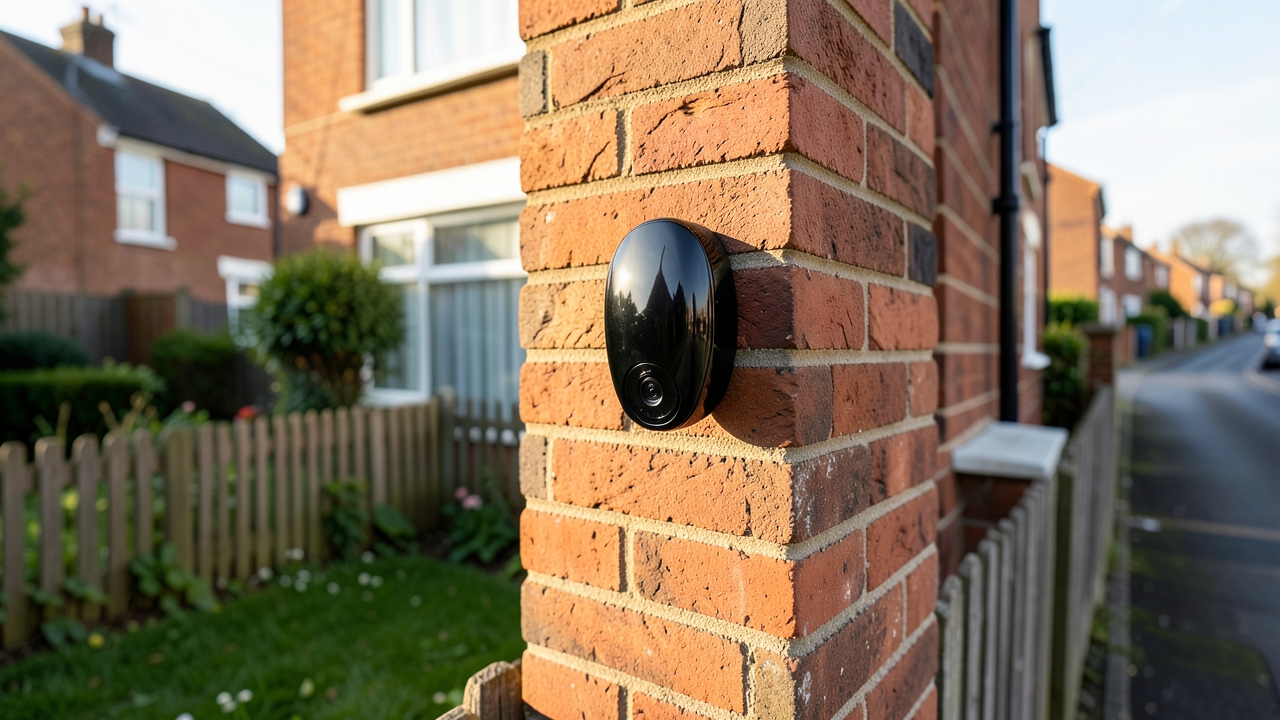
Smart doorbells have transformed home security across Britain. Millions of households now use devices from Ring, Eufy, Google, and Arlo. But this convenience raises an important question: can you legally record your neighbours with a smart doorbell?
The answer is nuanced. UK law balances your right to secure your home against your neighbours’ right to privacy. Smart doorbell privacy UK regulations sit at the intersection of data protection law, surveillance legislation, and civil nuisance rules. This guide breaks down exactly where you stand.
In this article, we explore the legal boundaries, the role of the Information Commissioner’s Office (ICO), real-world disputes, and practical steps to stay on the right side of the law.
The Rise of Smart Doorbells Across the UK
Video doorbells are now one of the most popular smart home devices in the United Kingdom. Research by Which? found that over 15 million UK households owned a smart doorbell or doorbell camera by early 2026. The market continues to grow rapidly.
Popular models range significantly in price and features. Here are some current UK prices:
- Ring Video Doorbell (4th Gen) — from £99.99
- Ring Video Doorbell Pro 2 — from £179.99
- Eufy Video Doorbell Dual — from £129.99
- Google Nest Doorbell (Battery) — from £99.99
- Arlo Essential Video Doorbell — from £99.99
For a detailed look at available models, check our complete guide to smart home security. These devices record video, capture audio, and often use motion detection to alert homeowners of activity outside their property.
However, the wide-angle lenses and motion sensors on these devices often capture far more than just your own doorstep. In many cases, they record neighbouring properties, public pavements, and passers-by. This is where smart doorbell privacy UK concerns begin.
What UK Law Says About Recording Neighbours
There is no single law that specifically bans or allows smart doorbell recordings. Instead, several pieces of UK legislation apply. Understanding these helps you navigate smart doorbell privacy UK rules with confidence.
The UK General Data Protection Regulation (UK GDPR)
The UK GDPR, retained after Brexit, applies to any recording of identifiable individuals. Your neighbours count as data subjects. Therefore, the footage you capture is personal data. You must handle it lawfully.
Under the UK GDPR, you need a lawful basis for processing this data. For domestic CCTV, the most relevant basis is legitimate interest. You have a legitimate interest in protecting your home from crime. However, this must be balanced against your neighbours’ privacy rights.
Furthermore, you must follow the data protection principles. These include:
- Purpose limitation — only record for home security, not to monitor neighbours’ daily lives
- Data minimisation — avoid recording areas beyond your property where possible
- Storage limitation — do not keep footage longer than necessary
- Lawfulness, fairness, and transparency — inform neighbours that recording takes place
You can read more about data protection requirements on the ICO’s official UK GDPR guidance.
The Data Protection Act 2018
The Data Protection Act 2018 supplements the UK GDPR. It applies the same principles but includes specific domestic exemptions. Importantly, the Act recognises that household or personal activities fall outside certain provisions. However, this does not give you unlimited rights to record neighbours.
The Protection of Freedoms Act 2012
This act includes provisions about surveillance. While it primarily governs public authorities, it reflects broader UK attitudes towards surveillance. The principle of proportionality runs through all UK privacy legislation. Your recording must be proportionate to the security threat you face.
Human Rights Act 1998
Article 8 of the European Convention on Human Rights, incorporated into UK law, guarantees the right to respect for private and family life. Your neighbours can argue that a smart doorbell pointed at their windows or garden breaches this right. Meanwhile, Article 10 protects your right to safeguard your own property.
The ICO Guidance on Domestic CCTV and Smart Doorbells
The Information Commissioner’s Office (ICO) provides specific guidance for domestic CCTV users. This guidance applies directly to smart doorbell privacy UK situations. The ICO takes a balanced approach but makes clear obligations exist.
According to ICO guidance, domestic users of video doorbells should:
- Tell neighbours that your doorbell records video and audio
- Position the camera to focus on your own property and not neighbouring homes
- Avoid pointing cameras directly at neighbours’ windows, gardens, or private areas
- Secure your footage with strong passwords and two-factor authentication
- Delete footage promptly once it is no longer needed for security purposes
- Respond to data requests if neighbours ask to see footage featuring them
Consequently, ignoring these steps does not automatically mean you are breaking the law. However, it significantly increases the risk of complaints, ICO investigations, and legal action.
The ICO’s page on CCTV and your data explains your rights in plain language.
When Smart Doorbell Recordings Cross the Legal Line
Smart doorbell privacy UK disputes usually arise when recordings feel intrusive or excessive. Here are the key scenarios where you could face legal consequences:
Recording Audio Without Consent
Audio recording is often more problematic than video. Under the Regulation of Investigatory Powers Act 2000 (RIPA), secretly recording private conversations may constitute illegal interception. In 2024, the ICO fined a homeowner £300 after their Ring doorbell audio recordings captured detailed conversations from a neighbour’s garden.
Most smart doorbells, including Ring and Eufy models, record audio by default. Therefore, you must be especially careful about what your device captures. Some models allow you to disable audio recording through the app settings.
Pointing Cameras Directly at Neighbours’ Properties
A common source of disputes involves cameras angled towards neighbouring windows or gardens. In the 2023 court case Boyer v Colborne, a county court ruled that a Ring doorbell recording a neighbour’s private garden constituted a nuisance. The court ordered the homeowner to reposition the camera.
This case demonstrates that smart doorbell privacy UK concerns can result in court orders. If your doorbell’s field of view significantly covers a neighbour’s property, you risk legal action.
Excessive Data Storage
Storing months of footage featuring neighbours without justification breaches the storage limitation principle. Most cloud-based services, such as Ring Protect, store footage for between 30 and 180 days. You should review and delete unnecessary footage regularly.
Sharing Footage Publicly or on Social Media
Posting doorbell footage on platforms like Facebook, Twitter, or Nextdoor creates additional legal risk. If the footage shows neighbours or identifiable passers-by, this constitutes further data processing. In one widely reported case from Essex in 2025, a homeowner faced a formal ICO complaint after sharing Ring footage of a neighbour’s argument on a local community Facebook group.
How to Stay on the Right Side of the Law
Fortunately, most homeowners can use smart doorbells legally and respectfully. Follow these practical steps to manage smart doorbell privacy UK concerns effectively:
1. Adjust Your Camera Angle
Most smart doorbells allow you to adjust the viewing angle through positioning or digital masking. For example, the Ring Video Doorbell Pro 2 offers a Head-to-Toe HD+ view that can be aimed downward to focus on your doorstep. Similarly, Eufy’s app includes activity zones where you can define specific recording areas.
Use these features to minimise coverage of neighbouring properties. Focus the camera on your own front door, pathway, and the public pavement immediately in front of your home.
2. Inform Your Neighbours
Proactive communication prevents the majority of disputes. A friendly conversation about your smart doorbell often resolves concerns before they escalate. Consider giving neighbours a written notice that explains:
- That you have installed a video doorbell
- Why you have installed it (home security, parcel deliveries)
- Roughly what areas the camera covers
- How long footage is stored
- How they can request to see or delete footage featuring them
This transparency builds trust and demonstrates compliance with the UK GDPR’s fairness and transparency principle.
3. Secure Your Data
Treat your doorbell footage with the same care as any personal data. Use a strong, unique password for your account. Enable two-factor authentication. Avoid sharing login details. If your footage is cloud-stored, ensure your subscription provider uses encryption.
For a closer look at secure smart home setups, see our Eufy Video Doorbell review, which covers privacy features in detail.
4. Respond to Access Requests
Under the UK GDPR, neighbours have the right to request access to footage that features them. This is known as a Subject Access Request (SAR). You must respond within one calendar month. You can provide the footage directly or direct them to view it with you present.
Refusing a reasonable SAR could result in an ICO complaint. However, you may redact or withhold footage if doing so would compromise another person’s privacy or security.
5. Limit Audio Recording
Consider disabling audio capture on your device. Many modern doorbells allow you to toggle audio recording independently from video. This step significantly reduces smart doorbell privacy UK risks without compromising your visual security.
Real-World Smart Doorbell Privacy UK Disputes
Understanding real cases helps illustrate how these laws work in practice. Here are notable UK disputes involving smart doorbells:
Boyer v Colborne (2023) — A court ruled that a Ring doorbell and an outdoor camera mounting amounted to harassment and nuisance. The devices captured images of the claimant’s house and recorded conversations in her garden. The judge ordered the defendant to reposition both devices.
ICO enforcement notice (2024) — The ICO issued an enforcement notice against a homeowner whose multi-camera Ring system extensively monitored a shared driveway and neighbouring front garden. The homeowner was required to reduce the field of view and delete stored footage.
Furthermore, mediation services such as those offered by Neighbourhood Mediation NI and local councils increasingly handle smart doorbell complaints. The number of reported disputes has risen year on year as adoption increases.
Can Neighbours Demand You Remove Your Doorbell?
Generally, neighbours cannot simply demand that you remove a smart doorbell. However, they can take several steps if they believe their privacy is breached:
- Request a SAR to obtain footage featuring them
- File a complaint with the ICO if they believe you are breaching data protection law
- Seek mediation through local services or citizens’ advice
- Apply to the county court for an injunction if the recording constitutes harassment or nuisance
On the other hand, you have a legitimate right to protect your home. As long as your doorbell is proportionate and focused on your property, a complaint is unlikely to succeed.
Smart Doorbells with Privacy-Focused Features
Several manufacturers now design products with smart doorbell privacy UK considerations in mind. These features help you stay compliant:
- Activity zones — Ring, Eufy, and Nest models let you define specific areas to monitor. You can exclude neighbouring windows and gardens from detection zones.
- Privacy shutters — Some models, including certain Eufy variants, include physical privacy shutters that close when you are home.
- On-device processing — Local AI processing keeps footage on your device rather than uploading it to the cloud, reducing data exposure.
- Discreet notifications — Customisable alerts mean you only receive notifications for relevant activity, reducing the impulse to constantly monitor footage.
- Manual recording toggle — Quick access buttons in companion apps allow you to pause recording during garden gatherings or when neighbours are visible.
If you are shopping for a new doorbell, read our best smart doorbells UK 2026 roundup for privacy-conscious picks at various price points.
Practical Checklist for Smart Doorbell Privacy UK Compliance
Use this quick-reference checklist to audit your current setup:
- Does your camera focus primarily on your own property?
- Have you told your neighbours about the doorbell?
- Is audio recording disabled or managed appropriately?
- Are activity zones set to exclude neighbours’ private areas?
- Is your footage encrypted and password-protected?
- Do you delete footage promptly after the retention period?
- Would you be comfortable responding to a SAR?
If you answered no to any of these questions, consider adjusting your setup today. A small change now prevents a costly dispute later.
What to Do If Your Neighbour’s Doorbell Is Recording You
If you feel your privacy is being invaded by a neighbour’s smart doorbell, follow these steps:
- Speak to your neighbour — a calm, direct conversation resolves most issues
- Write to them — if talking does not work, put your concerns in a polite letter
- Contact the ICO — report a potential data protection breach through the ICO website
- Seek legal advice — organisations like Citizens Advice offer free guidance
- Consider mediation — professional mediators can help find a compromise
- Apply to court — as a last resort, seek an injunction through the county court
Remember that the burden of proof lies partly on both parties. Your neighbour must demonstrate legitimate security reasons. Meanwhile, you must show that the recording genuinely affects your privacy.
The Bottom Line on Smart Doorbell Privacy UK Law
Recording your neighbours with a smart doorbell is not automatically illegal. However, how you position, manage, and share that footage matters enormously. UK law requires proportionality, transparency, and respect for privacy rights.
In summary, the key principles are clear:
- Focus your camera on your own property
- Inform neighbours about the recording
- Secure your footage responsibly
- Limit recording to what is necessary
- Respond to legitimate requests promptly
Smart doorbell privacy UK obligations do not stop you from protecting your home. They simply ensure you do so without unfairly intruding on others. By following the guidance in this article, you can enjoy the security benefits of your doorbell while maintaining good relations with your neighbours.
Are you currently dealing with a smart doorbell privacy dispute, or have questions about your own setup? Share your experience in the comments below — we would love to hear how you have handled it.