
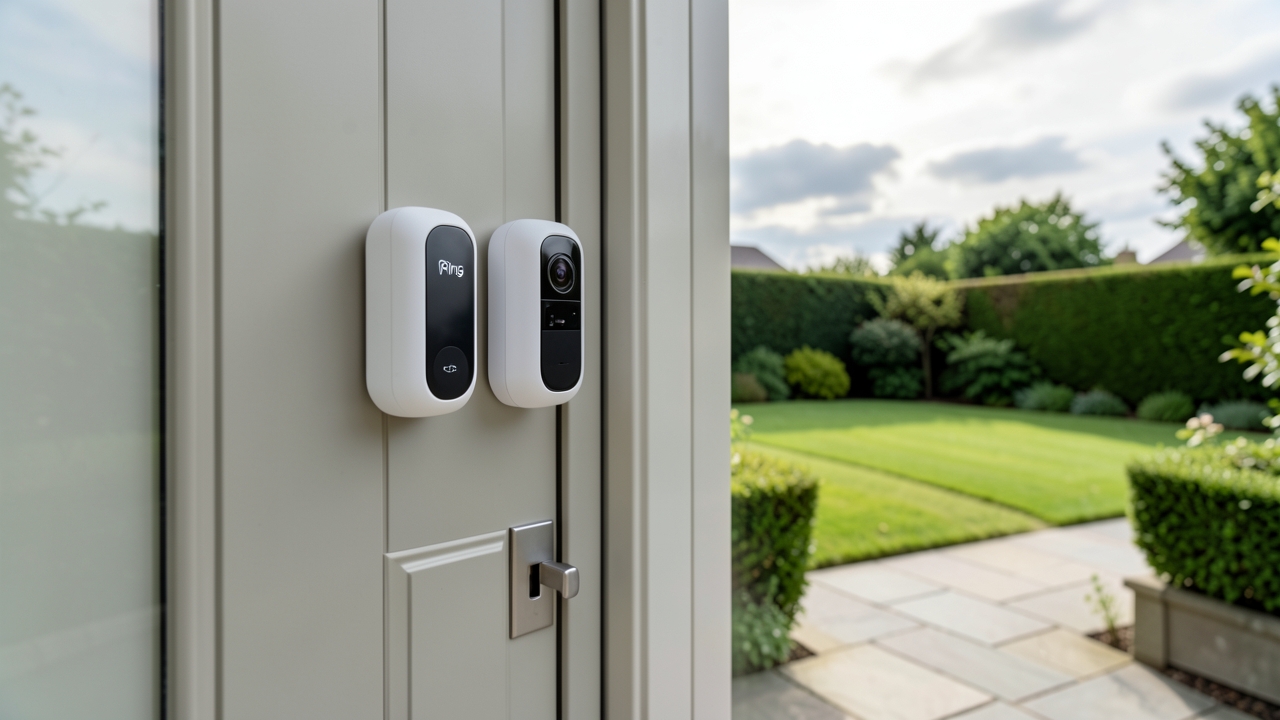
Choosing a smart doorbell involves more than just video quality; data privacy is critical. In the UK, homeowners must consider GDPR compliance when selecting devices like Ring or Hive. Therefore, this Ring vs Hive GDPR UK analysis explores how each brand handles your personal data, ensuring you make an informed choice for your home security in 2026.
What is GDPR and Why Does it Matter for Smart Doorbells?
The General Data Protection Regulation (GDPR) is a UK law that governs how organisations collect, use, and store personal data. For smart doorbells, this includes video footage, audio recordings, and identifying information. Consequently, devices must adhere to strict rules to protect user privacy. Furthermore, non-compliance can lead to hefty fines, making it essential for UK households to understand these requirements.
Smart doorbells often capture images of neighbours, delivery personnel, and visitors. This data falls under GDPR, so manufacturers must ensure transparency and security. For example, the Information Commissioner’s Office (ICO) provides clear guidance on residential CCTV use. Therefore, both Ring and Hive must comply with these UK-specific standards.
Ring Doorbell: Data Privacy and GDPR Compliance
Ring, owned by Amazon, is a popular choice in the UK, with prices starting from around £99 for the basic model. However, its data practices have faced scrutiny. Ring doorbells store video footage in the cloud by default, often for up to 30 days. This storage requires user consent, but the terms can be complex. Additionally, Ring shares data with third parties, including law enforcement, under certain conditions, which raises GDPR concerns.
Ring’s Data Storage and Sharing Policies
Ring encrypts data in transit and at rest, which is a positive step for security. Furthermore, users can control privacy settings, such as enabling end-to-end encryption for videos. However, the default settings may not be GDPR-optimal. For instance, Ring’s privacy policy indicates that data might be used for product improvement, and users must actively opt out. Consequently, UK residents should review these settings carefully to avoid unintended data sharing.
- Cloud storage is mandatory for full functionality, with subscription plans starting at £3.99 per month.
- Two-factor authentication is available but not enforced by default.
- Data is stored on Amazon servers, which are located in the EU and UK, complying with data residency rules.
Moreover, Ring has faced previous fines from the ICO for not handling data transparently. As a result, UK users must ensure they understand and manage their privacy controls. For a deeper dive into smart home security setups, consider reading our guide on smart home security tips.
Hive View: Data Privacy and GDPR Compliance
Hive View, part of the Centrica-owned Hive brand, offers a more UK-focused approach. Priced at approximately £179, it integrates well with other Hive smart home products. Hive emphasises data privacy with local storage options and transparent policies. Therefore, it may appeal to users prioritising GDPR compliance under UK regulations.
Hive’s Data Storage and Sharing Policies
Hive provides both cloud and local storage via a microSD card, giving users more control. Cloud storage requires a subscription, starting from £2.99 per month for 30-day retention. However, local storage means data stays on your premises, reducing external sharing risks. Furthermore, Hive’s privacy policy is straightforward, outlining that data is not sold to third parties and is used only for service delivery.
- Local storage is available without extra fees, enhancing data control.
- Hive uses end-to-end encryption for cloud data and two-factor authentication.
- Data is stored on UK-based servers, ensuring compliance with UK GDPR data residency requirements.
In addition, Hive has a strong track record with the ICO, with no major fines to date. For example, their system allows users to delete footage easily, aligning with GDPR’s right to erasure. Consequently, Hive may offer a simpler path to compliance for privacy-conscious households. For more on sustainable tech, explore our article on balcony solar panels to power your devices greenly.
Ring vs Hive GDPR UK: Direct Comparison
When comparing Ring vs Hive GDPR UK compliance, several factors stand out. Both brands meet basic GDPR requirements, but their approaches differ. Ring relies heavily on cloud storage with more third-party involvement, while Hive offers greater local control. Therefore, Hive generally provides a more straightforward path to data privacy for UK users.
Data Storage and Control
Ring’s cloud-only model means users depend on Amazon’s servers, which are secure but less flexible. Hive’s hybrid storage allows for offline use, reducing exposure. Furthermore, Hive’s default settings are more privacy-friendly, whereas Ring requires manual adjustments. On the other hand, Ring’s larger ecosystem might appeal to those invested in Amazon services.
Transparency and User Consent
Hive’s policies are more transparent, with clear language on data use. Ring has improved but still faces criticism for vague terms. For instance, the Which? review notes that Hive excels in user consent management. Consequently, Hive may better align with GDPR’s emphasis on informed consent.
Cost and Value
Ring is cheaper upfront but may incur higher subscription costs. Hive has a higher initial price but offers free local storage. As a result, long-term privacy might be more cost-effective with Hive. Additionally, both brands offer warranties, but Hive’s UK customer support is often rated higher for responsiveness.
UK-Specific Regulations and Practical Advice
Under UK GDPR, homeowners must register with the ICO if they use doorbells for surveillance beyond personal use. Furthermore, signs should be displayed to notify visitors of recording. Both Ring and Hive comply, but users must take action. For example, Ring provides guidance on GDPR signage, while Hive includes setup prompts for privacy notices.
To enhance compliance, consider these steps: regularly review privacy settings, delete unnecessary footage, and use strong passwords. Additionally, opting for local storage where possible minimises data transfer. Therefore, Hive might be the better choice for those seeking minimal external data handling. For broader smart home integration, check out our piece on EV charger installation to complete your tech setup.
The GOV.UK data protection page offers further resources on GDPR for individuals. In addition, the ICO’s helpline can provide specific advice for UK residents. As a result, staying informed is key to maintaining compliance.
Conclusion: Which is Better for GDPR Compliance?
In the Ring vs Hive GDPR UK debate, Hive View often comes out ahead for privacy-conscious users. Its local storage options, transparent policies, and UK-focused operations make it a strong contender. However, Ring offers a robust ecosystem and may suit those already in the Amazon environment. Ultimately, both can be compliant if configured correctly, but Hive provides an easier path. What are your thoughts on smart doorbell privacy? Share your experience in the comments below!