
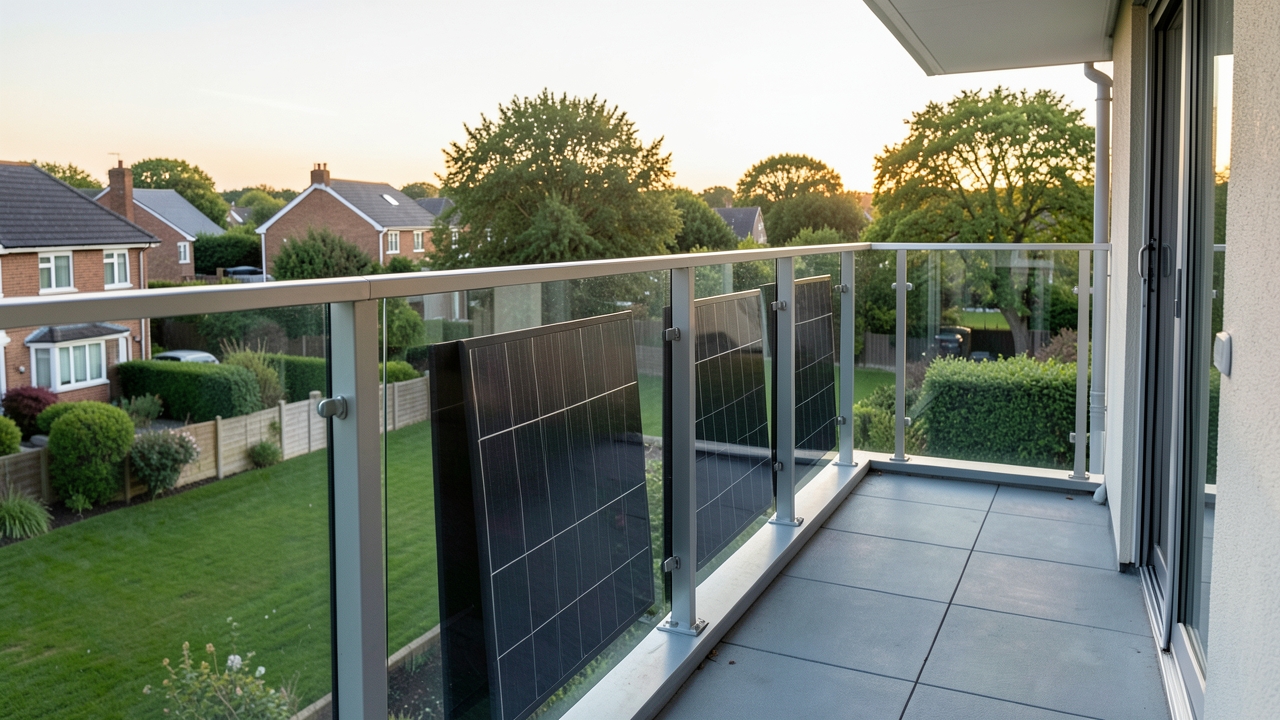
As energy costs rise and sustainability becomes a priority, UK balcony solar regulations in 2026 offer a clear path for residents in flats and terraced houses to harness solar power. Plug-in solar kits are now more accessible, but understanding planning permissions and landlord approvals is crucial. This guide dives deep into the latest rules, helping you navigate the process smoothly and avoid common pitfalls.
Understanding UK Balcony Solar Regulations in 2026
The regulatory landscape for balcony solar panels in the UK has evolved, balancing energy innovation with building safety. In 2026, key updates to the Building Regulations and permitted development rights simplify installations for many homeowners and tenants. However, specific rules apply to flats, terraced houses, and listed buildings.
Current Building Regulations for Solar Panels
Under Part L of the Building Regulations in England and Wales, solar panels must meet structural and safety standards. For balcony installations, this means ensuring the mounting system does not damage the property or pose a wind load risk. Furthermore, electrical safety is paramount; all plug-in kits must comply with BS 7671 wiring standards and have CE or UKCA certification.
For example, a typical 300W plug-in solar panel for a balcony might cost between £150 and £300 in 2026. These systems often include micro-inverters and are designed for easy DIY setup. However, you must check with your local council, as some areas have additional restrictions for conservation areas.
Permitted Development Rights and Exemptions
Permitted development rights allow certain solar installations without planning permission. In 2026, this typically covers panels on houses, including terraced properties, provided they meet conditions: they must not project more than 200mm from the wall or roof surface, and they should not be on the front elevation facing a highway. Meanwhile, flats and maisonettes generally do not have permitted development rights for external alterations, so planning permission is often required.
On the other hand, leaseholders and tenants in flats must often obtain landlord consent. The UK government’s green initiatives encourage landlords to approve solar projects, but it’s not automatic. If you’re in a listed building or a conservation area, you’ll need listed building consent or planning permission, which can add to costs and time.
“Always start with a pre-application enquiry to your local planning authority to clarify requirements.” – Energy Saving Trust advice
Landlord Approval Processes for Tenants
For tenants in flats or rented terraced houses, gaining landlord approval is a critical step. The process involves clear communication and understanding your rights. In the UK, the Landlord and Tenant Act 1985 and the Commonhold and Leasehold Reform Act 2002 provide frameworks, but recent reforms in 2026 aim to make it easier for tenants to request modifications.
How to Request Permission from Your Landlord
Begin by submitting a formal written request to your landlord or letting agent. Include details of the proposed plug-in solar kit, such as specifications, installation method, and any impact on the property. For instance, you might propose a 200W system from a supplier like ocentrum.com’s balcony solar panel range, which is non-invasive and temporary.
In addition, highlight benefits like reduced energy bills and increased property value. Landlords may be more inclined to approve if they see financial incentives, such as eligibility for the Smart Export Guarantee (SEG) for exported electricity. As a result, a well-prepared request often leads to faster approval.
Rights of Tenants and Leaseholders
Tenants have the right to make a reasonable request for solar installations, and landlords cannot unreasonably withhold consent under certain conditions. For example, if the installation is for energy efficiency and does not structurally alter the building. Leaseholders in freehold blocks may need to consult the freeholder or management company, and fees for permission can vary from £0 to £200.
However, if your lease specifically prohibits external changes, you might face challenges. In such cases, consider alternative solutions like indoor solar panels or advocacy through residents’ associations. The Which? guide on leasehold rights provides updated insights for 2026.
Step-by-Step Guide to Installing Plug-in Solar Kits
Installing a plug-in solar kit on your balcony involves a few key steps. First, assess your balcony’s suitability: ensure it has south-facing exposure and minimal shading. Next, choose a kit that meets UK standards; for example, a 300W system might generate around 300 kWh annually, saving you approximately £80–£100 on bills based on current electricity prices of 28p/kWh in 2026.
- Check building regulations and obtain necessary permissions.
- Select a certified plug-in solar kit from reputable suppliers.
- Follow installation instructions, often involving clamping to railings.
- Connect to a standard UK plug socket via a micro-inverter.
- Monitor performance through a smartphone app.
Furthermore, safety is essential. Avoid overloading sockets and use surge protectors. If you’re unsure, consult a certified electrician, which might add £100–£150 to the cost but ensures compliance.
Costs, Benefits, and Financial Incentives
Beyond the initial kit cost, consider additional expenses like planning permission fees, which can range from £0 to £206 for a householder application in England. However, the long-term benefits are substantial. A typical balcony solar setup might pay for itself in 3–5 years, especially with the Smart Export Guarantee allowing you to sell excess power back to the grid.
In 2026, the UK government offers grants and incentives through schemes like the Green Home Finance Accelerator, which can cover up to 75% of installation costs for low-income households. Meanwhile, environmental benefits include reducing your carbon footprint by approximately 0.5 tonnes annually, contributing to net-zero goals.
For instance, if you pair solar panels with other green tech, such as an e-bike conversion kit, you maximise savings on transport and energy. This holistic approach enhances your home’s sustainability.
Common Challenges and Solutions
Despite the growing ease of installation, challenges persist. Landlord refusals are common, but presenting data on property value increases can help. Structural concerns might arise, so opting for lightweight kits under 10kg per panel minimizes risk. Additionally, aesthetic objections can be addressed by choosing sleek, low-profile designs.
Another issue is metering; you may need a smart meter to track exports, which your energy provider should install for free under Ofgem rules. Consequently, staying informed about updates from bodies like the Ofgem ensures you remain compliant.
Conclusion: Embrace Solar with Confidence
Navigating UK balcony solar regulations in 2026 is more straightforward than ever, thanks to clearer building rules and supportive policies. Whether you’re a tenant seeking landlord approval or a homeowner exploring permitted development, this renewable energy option is within reach. Start by assessing your balcony, engaging with stakeholders, and choosing a reliable kit. The future of urban solar is bright—what’s your take on balcony panels? Share your thoughts or questions below!