
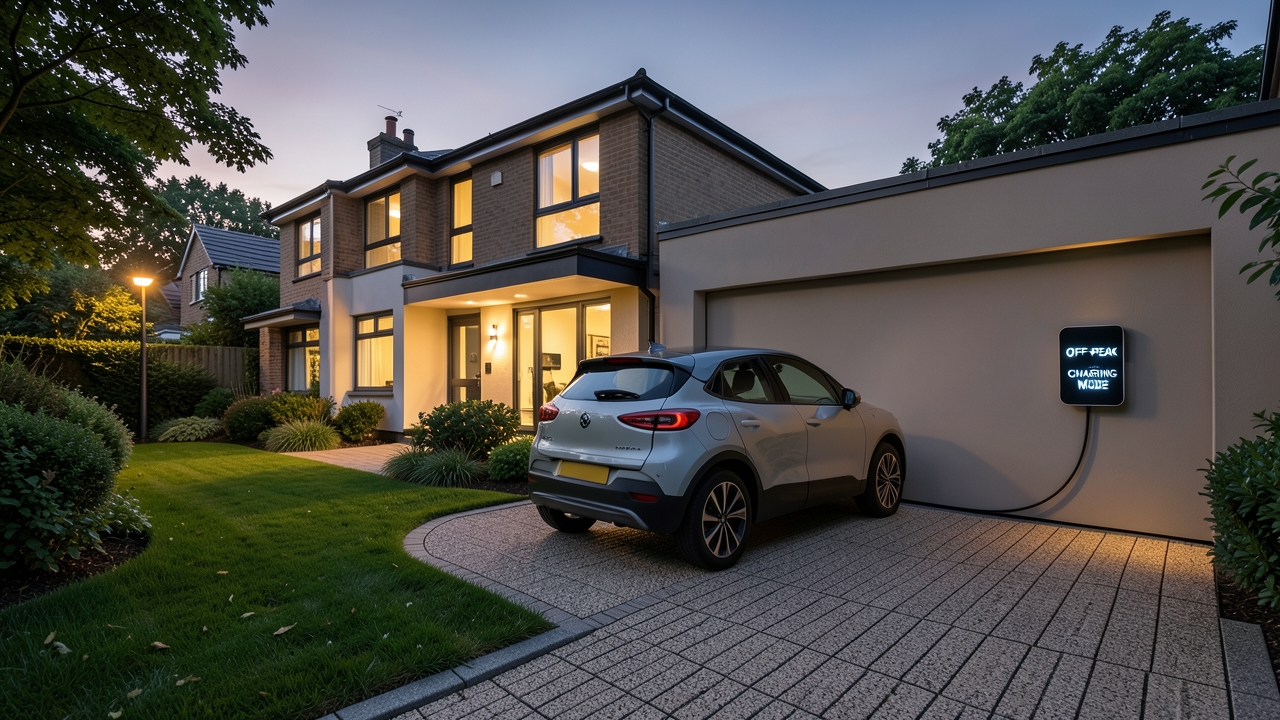
As an electric vehicle (EV) owner in the UK, you know that electricity costs can add up quickly, especially if you charge during peak hours. In 2026, with energy prices fluctuating, finding ways to reduce your bills is crucial. One effective solution is using EV charging smart plugs, which allow you to schedule charging during cheaper off-peak periods. This guide explores how these devices work, their benefits, and how they can help you save money on EV charging in the UK.
What Are EV Charging Smart Plugs?
EV charging smart plugs are intelligent devices that connect between your EV charger and the mains electricity supply. They enable you to control and schedule your charging remotely via a smartphone app or home automation system. Unlike basic plugs, these smart versions monitor energy usage and can be programmed to charge your EV only during specific times, such as off-peak hours when electricity rates are lower.
Furthermore, many smart plugs integrate with smart home ecosystems like Google Home or Amazon Alexa, offering seamless control. For example, you can set your EV to charge automatically after 11 PM when many UK tariffs drop in price. This automation not only simplifies your routine but also maximises savings without manual intervention.
How EV Charging Smart Plugs Cut Your Electricity Bills in the UK
The primary benefit of EV charging smart plugs lies in their ability to shift charging to off-peak hours. In the UK, electricity tariffs vary throughout the day, with peak rates typically between 4 PM and 9 PM. By contrast, off-peak rates, often available on tariffs like Economy 7, are significantly cheaper overnight. Consequently, charging your EV during these periods can lead to substantial cost reductions.
UK Off-Peak Electricity Rates in 2026
According to recent data from Ofgem and energy providers, the average peak electricity rate in the UK in 2026 is around 34p per kWh, while off-peak rates can be as low as 10-15p per kWh. For instance, an EV with a 60 kWh battery might cost £20.40 to charge fully at peak rates, but only £6-£9 off-peak. This means you could save up to £14 per charge by using an EV charging smart plug. Over a year, assuming weekly charging, savings could exceed £700, making it a worthwhile investment.
However, to access these rates, you need a dual-rate tariff. Many UK energy suppliers, such as EDF and Octopus Energy, offer smart tariffs that align with off-peak windows. It\’s essential to check your tariff and ensure it supports time-of-use pricing. For more details, visit the Energy Saving Trust, which provides guidance on optimising home energy use.
Setting Up Your Smart Plug for Maximum Savings
Setting up an EV charging smart plug is straightforward. First, choose a compatible plug that works with your EV charger and home network. Most smart plugs in the UK are designed for 13A sockets and support Wi-Fi or Bluetooth connectivity. Once installed, download the associated app and set your charging schedule based on your tariff\’s off-peak hours.
Additionally, consider integrating the plug with a home energy monitor to track usage in real-time. This can help you fine-tune your schedule for optimal savings. For example, if you have solar panels, you might prioritise charging during sunny periods when self-generated energy is available. Our guide on the best EV chargers in the UK covers compatible devices that pair well with smart plugs.
Choosing the Right EV Charging Smart Plug
When selecting an EV charging smart plug, several factors come into play. Compatibility is key—ensure the plug works with your specific EV model and charger type. Additionally, look for features like energy monitoring, remote control, and integration with smart home systems. Price is another consideration; in the UK, smart plugs typically range from £30 to £100, depending on the brand and features.
Cost of Smart Plugs in the UK
Budget options like the TP-Link Kasa Smart Plug Start at around £25, while premium models from brands like Hive or Tado can cost up to £80. Although the initial outlay may seem high, the return on investment (ROI) is quick due to energy savings. For instance, if you save £10 per month on charging, a £50 smart plug pays for itself within five months.
Furthermore, some smart plugs come with additional features like voice control or automation routines, enhancing convenience. To explore related smart home tech, check out our article on smart home energy monitoring systems, which can complement your setup for holistic energy management.
Real-World Savings: A UK Case Study
Consider Sarah, a UK driver from Manchester who owns a Nissan Leaf with a 40 kWh battery. She switched to an EV charging smart plug in early 2026 and set it to charge overnight between 12 AM and 6 AM on an off-peak tariff of 12p per kWh. Previously, she charged randomly, averaging 30p per kWh. Now, she saves £7.20 per charge (£2.40 vs £9.60). With weekly charging, her annual savings amount to £374.40—enough to cover the plug\’s cost and then some.
Moreover, Sarah uses the app to monitor her energy usage, helping her adjust habits further. This case study illustrates how EV charging smart plugs deliver tangible benefits. However, results may vary based on your tariff, EV battery size, and charging frequency. Always calculate your potential savings using online tools or consult energy experts.
UK Regulations and Considerations
In the UK, using smart plugs for EV charging is legal and encouraged by the government to support smart grid initiatives. The GOV.UK website explains how smart meters enable dynamic tariffs, making off-peak charging easier. However, ensure your setup complies with BS 1363 standards for electrical safety and avoid overloading circuits.
Additionally, consider your home\’s electrical capacity. If you have other high-power devices, consult an electrician to prevent issues. For those with solar panels, combining smart plugs with balcony solar systems can further reduce costs. Learn more in our guide on balcony solar panels for sustainable energy.
Conclusion: Make the Switch to Smart Charging Today
In summary, EV charging smart plugs offer a simple yet effective way to cut electricity costs for UK motorists. By scheduling off-peak charging, you can save hundreds of pounds annually while contributing to a greener energy grid. With affordable options available and easy setup, there\’s little reason not to adopt this technology in 2026.
Have you tried using an EV charging smart plug to reduce your bills? Share your experiences or questions in the comments below—we\’d love to hear how you\’re optimising your EV charging routine!