
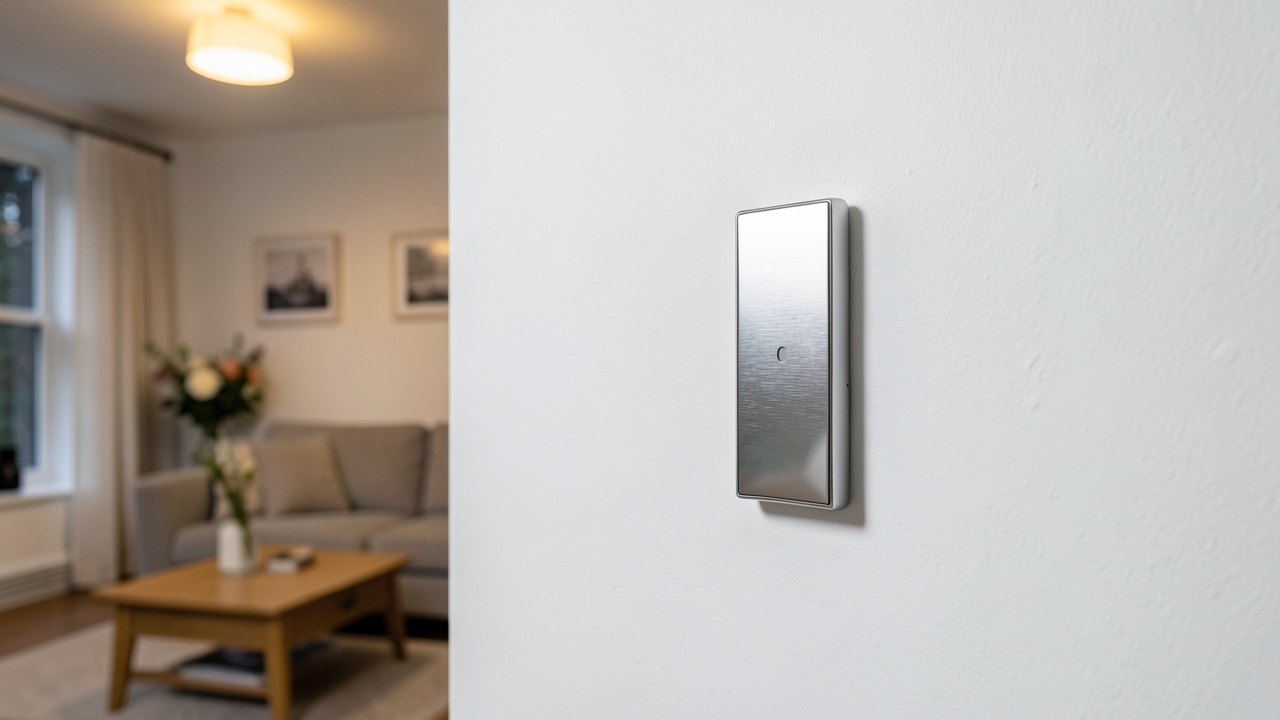
Smart home technology has transformed how we control our living spaces. In 2026, smart light switches UK are one of the most popular upgrades for homeowners across the country. They offer convenience, energy savings, and a modern feel without changing your home’s appearance. Whether you live in a new-build flat or a Victorian terrace, there’s a smart switch solution for you.
This comprehensive guide covers everything you need to know. We’ll explore installation procedures, wiring considerations specific to UK homes, dimmer compatibility, and the best brands available today. By the end, you’ll have the knowledge to choose and install the perfect smart switch for your property.
What Are Smart Light Switches and Why Are They Popular?
A smart light switch replaces your existing wall switch. It connects to your home Wi-Fi or a smart home hub. This allows you to control your lights remotely using a smartphone app, voice commands, or automated schedules.
Unlike smart bulbs, smart switches control the power supply to the entire light fixture. This means any bulb in that circuit becomes “smart” automatically. You don’t need to buy expensive smart bulbs for every fitting. That makes smart switches a cost-effective choice for whole-home automation.
The market for smart lighting in the UK has grown rapidly. According to Statista, the UK smart home market is projected to reach over £8 billion in revenue by 2027. Smart switches form a significant part of this growth. Their appeal lies in their simplicity and versatility.
Why Replace Your Existing Light Switches?
There are several compelling reasons to upgrade to smart light switches in the UK. First, they work with virtually any bulb — LED, halogen, or even older incandescent types. Second, they integrate with popular ecosystems like Amazon Alexa, Google Home, and Apple HomeKit.
Third, they help you save energy significantly. You can set schedules so lights turn off automatically when you leave a room. Motion sensors can also trigger lights only when someone is present. The Energy Saving Trust estimates that smart lighting can save UK households up to £75 per year on electricity bills.
Furthermore, smart switches add tangible value to your property. UK buyers increasingly expect smart home features as standard. Installing smart switches is a relatively affordable upgrade with lasting benefits for both daily living and resale value.
UK Wiring Considerations for Smart Light Switches
Understanding your home’s wiring is essential before purchasing any smart switch. UK properties have specific wiring configurations that differ from other countries. Getting this right will save you time, money, and potential headaches.
Understanding Your Existing Wiring
UK homes use a standard wiring setup for lighting circuits. Typically, you’ll find a live wire (brown), a switch live (also brown), and an earth wire (green and yellow). Many UK homes also have a neutral wire (blue) present in the switch back box.
However, this isn’t always the case. In many older UK homes, the neutral wire runs back to the junction box rather than the switch. Newer builds may also omit it entirely from the switch box. Knowing your wiring setup is essential before purchasing a smart switch.
Neutral Wire vs No-Neutral Wire Options
The neutral wire provides a complete circuit for the switch’s internal electronics. Switches requiring a neutral wire are generally more reliable. They maintain constant power and communicate more consistently with your smart home hub.
On the other hand, many UK homes — particularly those built before 2010 — don’t have a neutral wire at the switch. In this case, you need a no-neutral smart switch. These devices draw power from the live wire alone. Modern no-neutral switches have improved dramatically in recent years.
Pro Tip: To check for a neutral wire, remove your existing switch faceplate carefully (with the power off). Look for a bundle of blue wires tucked at the back of the box. If you see blue wires connected together with a connector block, you have a neutral wire available.
Dimmer Compatibility
If you want dimming functionality, you must check compatibility with your existing bulbs. Not all LED bulbs work well with smart dimmer switches. Flickering and buzzing are common issues with mismatched combinations.
Smart dimmer switches typically specify a minimum and maximum wattage. They also list compatible bulb types. Always check these specifications before purchasing. LED bulbs designed for dimming — often labelled “dimmable” on the packaging — work best.
In the UK, brands like Lightwave offer dedicated smart dimmer switches. These are tested extensively with UK-standard LED bulbs. Therefore, they tend to offer smoother dimming performance than generic alternatives.
How to Install Smart Light Switches in UK Homes
When to DIY and When to Call an Electrician
Under Part P of the UK Building Regulations, some electrical work must be notified to your local authority. However, replacing a light switch on an existing circuit is generally considered a like-for-like replacement. This typically doesn’t require notification.
That said, if you’re unsure about any aspect of the wiring, always hire a qualified electrician. The GOV.UK Building Regulations outline the requirements clearly. The cost of an electrician in the UK ranges from £45 to £75 per hour. A standard smart switch installation usually takes 30 to 60 minutes.
Step-by-Step Installation Overview
Follow these general steps for installing a smart light switch. Always refer to your specific manufacturer’s instructions, as models vary.
- Turn off the power at the consumer unit (fuse box). Use a voltage tester to confirm the circuit is completely dead.
- Remove the existing switch faceplate and carefully disconnect the wires. Take a photo of the wiring for reference.
- Connect the wires to the new smart switch according to the manufacturer’s wiring diagram.
- Secure the smart switch in the back box and attach the faceplate.
- Restore power and follow the companion app setup process to pair the switch with your network.
Most smart switch manufacturers provide detailed installation guides. Many also offer video tutorials on their websites. Following these step-by-step instructions makes the process straightforward for confident DIYers.
Best Smart Light Switches UK 2026: Top Brands Reviewed
The UK market offers several excellent smart switch options. Here are the standout brands and models worth considering in 2026.
Lightwave Smart Series
Lightwave remains one of the leading smart switch brands in the UK. Their Smart Series offers switches, dimmers, and relay modules. Prices range from £60 to £100 depending on the model and finish. Lightwave switches use their own RF protocol alongside Wi-Fi connectivity. They integrate with Google Assistant, Amazon Alexa, and Apple HomeKit.
The Lightwave Smart Dimmer Switch is particularly popular among UK homeowners. It offers smooth dimming control and a sleek, modern design. Installation typically requires a neutral wire. However, their newer models have expanded compatibility.
Hive Active Lighting
Hive is a well-established name in UK smart home technology. Their Active Light Switch provides reliable smart control at an affordable price point. Expect to pay around £40 to £50 per switch. Hive switches connect via the Hive Active Hub and integrate with Alexa and Google Home.
Hive’s switches are straightforward to install and use. They offer scheduling, remote control, and energy monitoring features. However, they don’t currently support Apple HomeKit. For most UK households, Hive offers an excellent balance of price and performance.
Philips Hue Wall Switch Module
The Philips Hue Wall Switch Module takes a different approach. It’s a compact module that fits behind your existing switch. This preserves your current switch’s appearance while adding smart functionality. The module costs around £20 to £25.
Of course, you need Philips Hue bulbs and a Hue Bridge for this system to work. This increases the overall cost. However, if you already have a Hue setup, it’s an excellent and unobtrusive addition. The module connects to the Hue Bridge via Zigbee.
Budget-Friendly Alternatives
Several other brands offer affordable smart switches in the UK market. Meross provides budget-friendly options starting from around £25. SONOFF offers switches with Wi-Fi connectivity from just £15. Yale’s smart switches integrate with their broader home security ecosystem. Each option has its strengths depending on your budget and requirements.
Smart Light Switches vs Smart Bulbs: Which Is Better?
Both approaches have their merits. Smart bulbs are incredibly easy to install — simply screw them into existing fittings. They offer colour-changing options and work well for renters. However, they can be expensive to outfit across an entire home.
Smart switches, on the other hand, control the entire circuit. This means every bulb on that circuit becomes smart automatically. They’re more cost-effective for homeowners who want whole-home coverage. Plus, guests can still use them like normal switches without any confusion.
For most UK homeowners, smart switches offer the better long-term solution. They work with your existing bulbs and provide a more integrated experience. Many smart home experts recommend starting with switches in main living areas. You can then expand the system room by room.
For example, if you’re already investing in renewable energy with balcony solar panels, pairing them with smart switches helps you maximise energy efficiency throughout your home.
UK Regulations and Safety Considerations
Always prioritise safety when working with electricity. Part P of the UK Building Regulations governs electrical work in dwellings. While simple switch replacements are generally exempt from formal notification, more complex installations may require a registered electrician.
The IET Wiring Regulations (BS 7671) set the national standard for electrical installations. Ensure your smart switches carry appropriate UK safety markings. Look for the UKCA marking, which indicates compliance with post-Brexit UK safety standards. The CE marking is also accepted.
Furthermore, always purchase smart switches from reputable UK retailers or directly from the manufacturer. Avoid unbranded products from unknown sources. Safety should never be compromised for a lower price. Remember, substandard electrical products can void your home insurance.
How Much Do Smart Light Switches Cost in the UK?
Here’s a clear breakdown of typical UK prices in 2026:
- Budget options (Meross, SONOFF): £15 to £30 per switch
- Mid-range (Hive, Yale): £35 to £55 per switch
- Premium (Lightwave): £60 to £100 per switch
- Specialist (Philips Hue module): £20 to £25 per module (plus Hue system costs)
Installation costs add £45 to £75 if you hire a qualified electrician. For a typical three-bedroom UK home, budget between £200 and £500 for a complete smart switch upgrade. This includes all hardware and professional installation.
The energy savings alone can offset these costs over time. As mentioned earlier, the Energy Saving Trust estimates savings of up to £75 per year. Over five years, that’s £375 back in your pocket. When you consider the added convenience and property value increase, the investment makes excellent financial sense.
If you’re building a broader smart home ecosystem, you might also consider integrating smart switches with other green technology. For instance, smart switches paired with an EV charger at home create a truly connected, energy-efficient living space.
Frequently Asked Questions About Smart Light Switches UK
Do Smart Light Switches Work Without Wi-Fi?
Most smart switches require Wi-Fi for remote access and app control. However, some — like Lightwave’s RF-based models — can operate locally without an internet connection. Basic switching and dimming functions will still work. You simply lose remote and voice control features.
Can I Use Smart Switches with LED Bulbs?
Yes, most modern smart switches work with LED bulbs. However, check the minimum wattage requirement to ensure compatibility. Dimmable LEDs are essential if you want dimming functionality. Always test a small area first before outfitting your entire home.
Do I Need a Hub for Smart Light Switches?
Some brands require a hub, such as Hive or Philips Hue. Others connect directly to your