
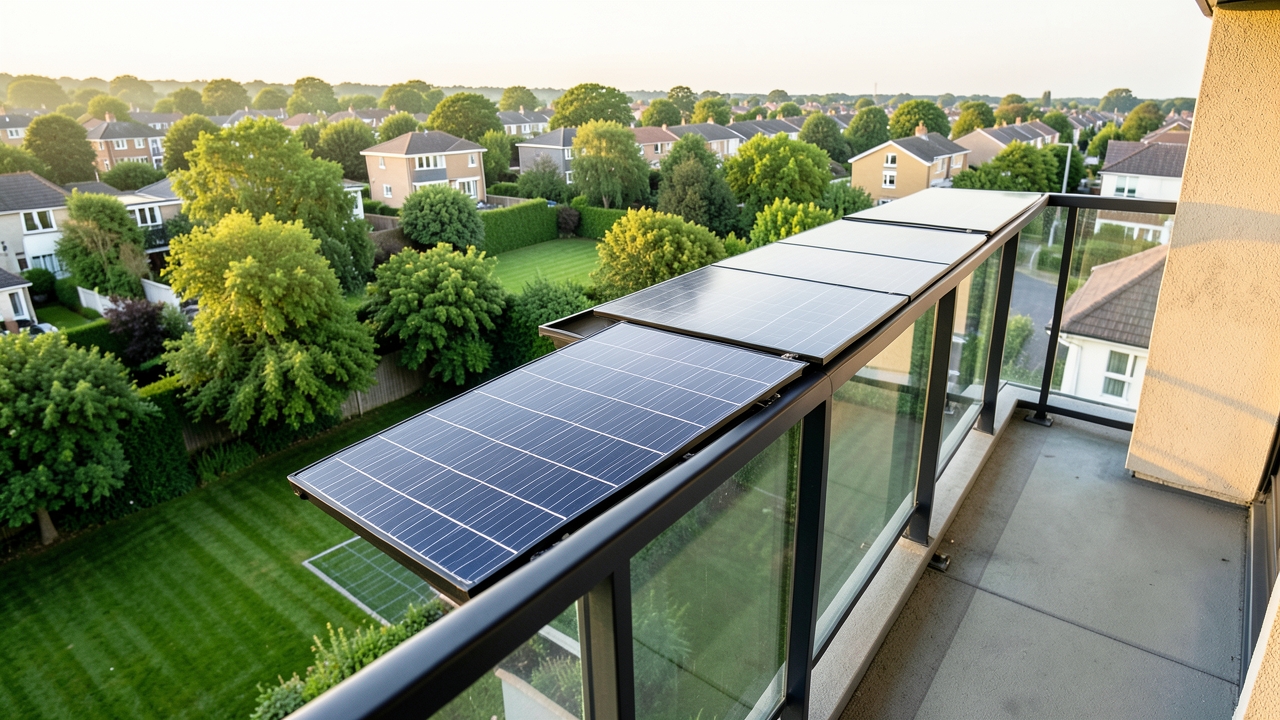
With the introduction of streamlined regulations in 2026, balcony solar planning UK has become significantly easier for flat residents. This article details the updated process, key compliance steps, and practical advice for obtaining planning permission for plug-in solar kits on balconies. Furthermore, we explore costs, incentives, and common pitfalls to ensure a smooth installation.
As the UK pushes towards net-zero targets, renewable energy solutions like balcony solar panels are gaining popularity. However, many flat owners previously faced complex planning permission hurdles. Therefore, the 2026 updates aim to simplify this, making solar energy more accessible. In this guide, we break down everything you need to know.
Understanding 2026 UK Regulations for Balcony Solar Kits
The UK government has revised planning permission rules specifically for balcony solar installations. For example, under the updated Permitted Development Rights, certain low-impact solar kits no longer require full planning approval. Consequently, flat owners can install plug-in systems with fewer bureaucratic steps. This change is part of the broader Permitted Development Rights reforms for residential properties.
What Changed in the Updated Planning Permission Process?
Previously, balcony solar panels often needed explicit planning permission from local councils, leading to delays and costs. However, in 2026, the focus shifted to streamlined approval for systems under 3.68 kW. Furthermore, the regulations now emphasize standardised compliance checks, reducing paperwork. As a result, applicants can expect faster turnaround times, often within 28 days.
Key changes include exemptions for solar panels that do not protrude beyond the balcony edge and are mounted on existing structures. In addition, heritage properties and listed buildings may still require additional assessments, but the process is clearer. For instance, the Energy Saving Trust provides updated guidelines on compliant installations.
Key Compliance Steps for Balcony Solar Installation
To ensure compliance, follow these steps:
- System Assessment: Verify your balcony can support the weight of solar panels, typically 10-15 kg per panel.
- Electrical Safety: Ensure the plug-in system meets BS 7671 wiring standards to avoid fire risks.
- Landlord Approval: If you rent, obtain written consent from your freeholder or management company.
- Council Notification: Even for permitted development, notify your local planning authority with a Prior Approval application.
Step-by-Step Guide to Obtaining Planning Permission
Navigating the balcony solar planning UK process is now more straightforward. Here’s a detailed guide to help you from start to finish. Moreover, this step-by-step approach minimises errors and ensures adherence to 2026 regulations.
Step 1: Assess Your Balcony and System Requirements
Start by evaluating your balcony’s suitability. Measure the available space and check for structural integrity. For example, a typical UK balcony might accommodate 2-4 panels, generating 0.5-1 kW of power. Additionally, consider shading from nearby buildings, as this affects efficiency. If unsure, consult a certified installer for a free assessment.
Step 2: Choose a Compliant Solar Kit
Opt for a plug-in solar kit that meets the new standards. These kits are designed for easy installation without major modifications. Prices range from £300 to £1,200, depending on capacity. For instance, a 400W system might cost around £500. Visit our guide on best balcony solar panels for recommended models.
Step 3: Submit Your Application
For permitted development, submit a Prior Approval application to your local council. This involves filling out a short form and paying a fee, typically £120. Furthermore, include details like panel dimensions, weight, and electrical specifications. Most councils now offer online portals for faster processing. As a result, you might receive approval within weeks.
Step 4: Installation and Inspection
Once approved, install the system using a qualified electrician. Plug-in kits are user-friendly, but professional installation ensures safety. After setup, a council inspector may verify compliance. This step is crucial to avoid fines. In addition, keep all documentation for future reference, especially if you sell your property.
Costs and Financial Incentives
Understanding the financial aspect is essential for balcony solar planning UK. Costs vary, but incentives can offset expenses. Therefore, budgeting wisely is key.
Average Prices for Balcony Solar Kits in the UK
In 2026, entry-level balcony solar kits start at £300 for a 200W system. Mid-range options, like a 600W kit, cost between £800 and £1,000. Premium systems with battery storage can exceed £2,000. For example, the EcoFlow Delta 2 bundle might be priced at £1,500. Remember, installation fees add £100-£300 to the total.
Grants and Subsidies Available
The UK government offers grants to encourage solar adoption. The Smart Export Guarantee (SEG) allows you to sell excess energy back to the grid, earning £0.05-£0.15 per kWh. Additionally, some councils provide local grants for eco-upgrades. For instance, the SEG scheme is accessible to all households. Consequently, your return on investment could be realised within 5-7 years.
Common Pitfalls and How to Avoid Them
Even with simplified rules, some pitfalls exist. However, being informed can help you avoid them. Furthermore, planning ahead ensures a hassle-free experience.
One common issue is neglecting landlord approval. Always get written consent to prevent disputes. Another pitfall is choosing non-compliant systems; check for CE marking and UK certifications. Additionally, ignoring maintenance can reduce efficiency. For example, clean panels every few months to maintain output. Lastly, underestimating electrical load might trip fuses; consult an electrician to assess your flat’s wiring.
Conclusion and Invitation for Discussion
In summary, the 2026 updates to balcony solar planning UK have made it easier than ever for flat owners to harness solar energy. By following the compliance steps and utilising financial incentives, you can contribute to a greener future while reducing energy bills. As we move forward, these regulations will likely evolve further, encouraging more sustainable living.
Have you considered installing balcony solar panels? Share your thoughts or questions in the comments below—we’d love to hear from you! For more detailed guides, check out our article on how to install balcony solar panels.
Balcony Solar Savings Calculator
See your annual savings, export income and payback time — free, no sign-up.