
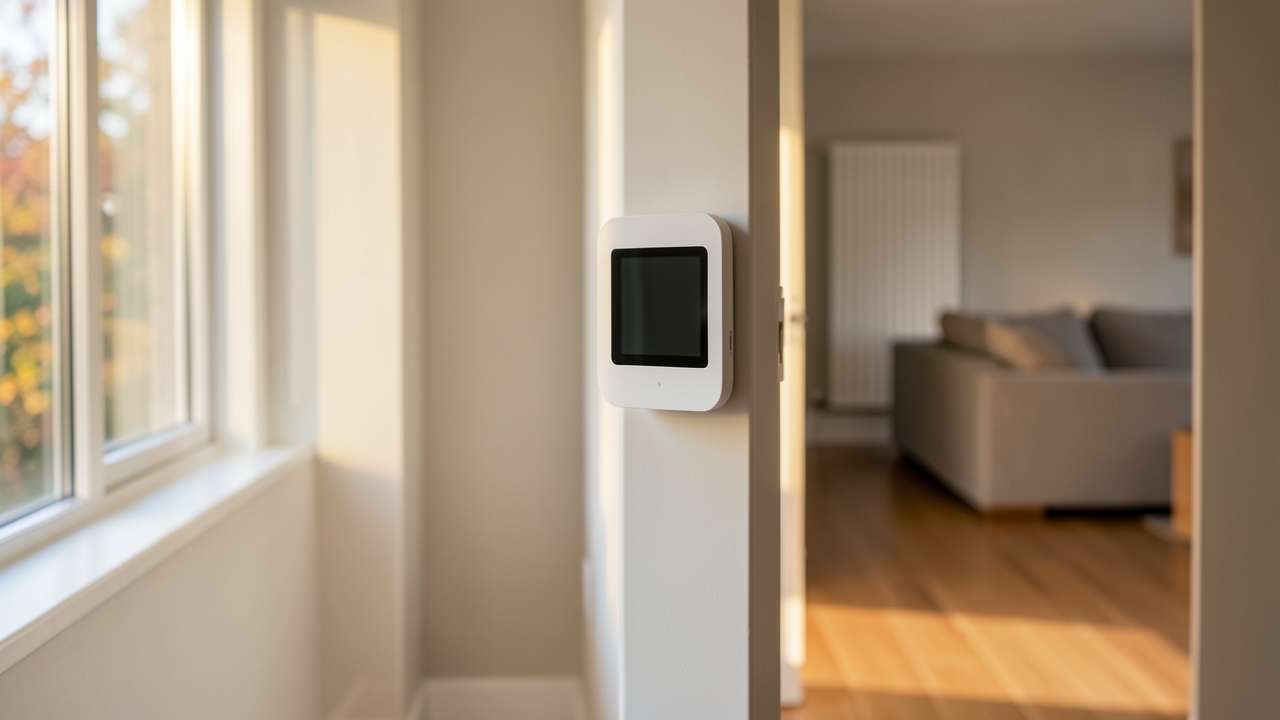
Working out smart thermostat payback UK households can genuinely trust means doing the maths yourself. In October 2026, Ofgem’s price cap puts gas at roughly 6.4p per kWh. Meanwhile, a typical 3-bed semi burns about 12,000 kWh of gas a year. So, does a £180 Tado X pay for itself? Yes, but realistically in 2.5 to 3.5 years, and only if you use it properly.
Below, we run the numbers step by step. We also show which price points clear a sensible payback window and which are pure convenience buys. If you want the wider picture first, browse our other smart heating guides.
What the October 2026 Ofgem Price Cap Means for Your Gas Bill
The price cap limits what suppliers can charge on standard variable tariffs. At the time of writing, the headline figures look like this:
- Gas unit rate: about 6.4p per kWh
- Gas standing charge: about 32.5p per day
- Electricity unit rate: about 26.9p per kWh
- Typical dual-fuel household: around £1,780 a year
Therefore, a home using 12,000 kWh of gas spends roughly £768 on the gas itself. Add about £119 in standing charges and the annual gas bill lands near £887.
Here is the crucial point. A thermostat cannot reduce your standing charge. Consequently, every pound you save must come from cutting kWh.
How Much Gas Does a 3-Bed Semi Actually Burn?
Ofgem’s “medium” household uses 11,500 kWh of gas each year. However, a 3-bed semi with a standard combi boiler often lands between 12,000 and 13,000 kWh.
- Space heating: about 8,400 kWh (roughly 70%)
- Hot water: about 3,600 kWh (roughly 30%)
- Total: about 12,000 kWh
That split matters enormously. A smart thermostat controls space heating, not hot water. As a result, the biggest pot you can save from is 8,400 kWh. At 6.4p per kWh, that is worth about £538 a year.
How Much Can a Smart Thermostat Really Save?
The Energy Saving Trust estimates that smart heating controls save around £75 a year on a typical gas bill. Manufacturers, meanwhile, often claim 20% or more. Independent testing usually sits between the two.
Why Savings Vary So Much
- Homes with a broken programmer or no TRVs: 15-20% savings
- Homes with a working schedule and TRVs: 5-8% savings
- Occupancy: geofencing helps most when the house sits empty for long spells
- Insulation: a draughty house loses heat faster, so control matters more
- Weather: a mild winter shrinks savings in absolute pounds
In practice, a well-configured smart thermostat on a 3-bed semi saves between 5% and 15% of heating gas. That is 420 to 1,260 kWh, or £27 to £81 a year at current rates.
Smart Thermostat Payback UK: The £180 Tado X Maths
Now we can calculate properly. Assume a 10% saving on heating gas, which is a fair middle figure for a home with average controls.
- 5% saving (£27 a year): payback in 6.7 years
- 8% saving (£43 a year): payback in 4.2 years
- 10% saving (£54 a year): payback in 3.3 years
- 15% saving (£81 a year): payback in 2.2 years
- 20% saving (£108 a year): payback in 1.7 years
Therefore, the honest headline for most UK homes is a payback of roughly two to four years. That is a solid return on a £180 device that should last a decade.
The Hidden Costs Nobody Mentions
A £180 starter kit is rarely the whole bill. Watch out for these extras:
- Buying the thermostat alone without a bridge: budget about £70 for a Bridge X or Thread border router.
- Professional installation of a wired system: £80 to £150.
- Extra smart radiator valves: around £60 to £80 each.
- A full multi-zone setup: £400 or more.
Add £120 of installation and the payback on a 10% saving stretches to 5.5 years. On the other hand, if you already have a two-wire combi setup, you may fit it yourself in under an hour and keep the maths tight.
Which Thermostat Price Points Clear a Sensible Payback Window?
For most households, a sensible payback window is three to five years. Anything longer starts to look like a lifestyle purchase rather than an energy-saving one.
- Under £150 (Tado V3+, discounted Hive kits): payback in 2-3 years. Best value by a distance.
- £150-£220 (Tado X Starter Kit, Nest Thermostat): payback in 2.5-4 years. Sensible.
- £220-£300 (Nest Learning Thermostat, Drayton Wiser kit): payback in 4-5.5 years. Borderline.
- £300+ (multi-zone systems, heat pump controllers): payback beyond six years. Buy for comfort, not savings.
When a Smart Thermostat Is a Convenience Purchase
Some devices never repay themselves. For example, a £280 learning thermostat that saves the same 10% as a £130 model adds £150 with no extra energy benefit. Similarly, smart valves on every radiator in a well-zoned house rarely pay back within five years.
Furthermore, if your home already has a working programmer, TRVs and a sensible schedule, your savings may fall below 5%. In that case, you are buying app control, geofencing and better data, not energy savings.
Four Cheaper Wins That Beat a New Thermostat
Before spending £180, try these first. Each one costs little or nothing.
- Turn the boiler flow temperature down to 55-60°C. A condensing boiler runs more efficiently at lower temperatures, which saves 6-8% on gas.
- Set a proper schedule. Heat for 30 minutes before you wake and stop an hour before bed.
- Fit TRVs where they are missing and balance the radiators. A TRV costs about £15.
- Draught-proof doors and windows. This costs under £50 and cuts heat loss immediately.
Do all four and you could trim 10-15% without buying any hardware. Then a smart thermostat becomes the finishing touch rather than the main event. If you want to cut electricity bills too, our guide to balcony solar panels covers the plug-in option.