
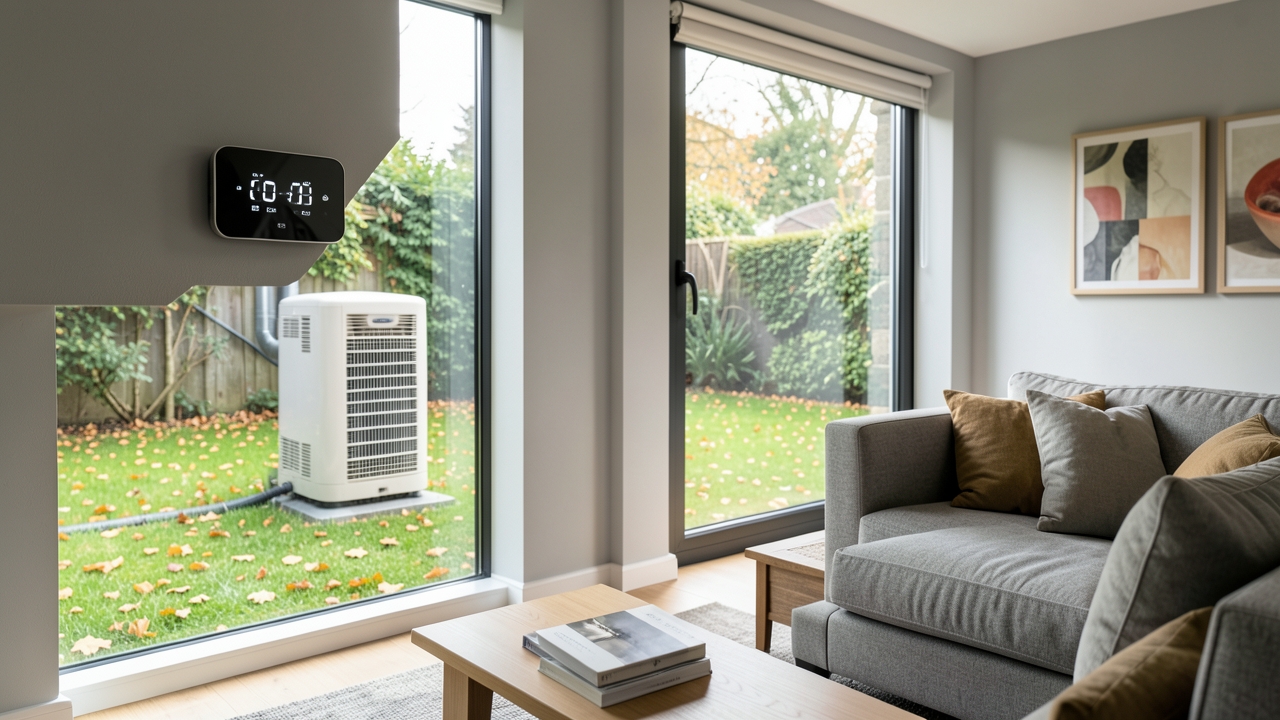
In 2026, many UK homeowners are exploring ways to make their heating systems more efficient and eco-friendly. One powerful combination is smart thermostat heat pump integration, which pairs modern controls with low-carbon heating technology. This guide dives into how devices like Nest and Tado can work seamlessly with air source heat pumps, offering significant benefits for energy savings and comfort in British homes.
Why Integrate a Smart Thermostat with an Air Source Heat Pump?
Air source heat pumps extract warmth from outdoor air to heat your home and water, even in cold UK weather. However, they work best when managed intelligently. By adding a smart thermostat, you gain precise control over heating schedules, temperatures, and energy use. This integration helps optimise the heat pump’s performance, ensuring it runs efficiently without wasting electricity.
For instance, smart thermostats learn your daily routines and adjust heating automatically. Furthermore, they can be controlled remotely via smartphone apps, which is ideal for busy households. Consequently, this leads to lower energy bills and a reduced carbon footprint—key goals for the UK’s push towards net-zero emissions.
Key Benefits of Smart Thermostat Heat Pump Integration
Enhanced Energy Efficiency and Cost Savings
Integrating a smart thermostat with an air source heat pump can improve efficiency by up to 15%, according to some industry estimates. This means you could save between £100 and £200 annually on energy bills, depending on your home’s insulation and usage patterns. Moreover, smart features like geofencing adjust heating when you’re away, preventing unnecessary energy consumption.
UK households can also benefit from government incentives. For example, the Boiler Upgrade Scheme provides grants of £5,000 towards air source heat pump installation, making it more affordable. When paired with a smart thermostat, you maximise the return on this investment by ensuring the system operates at peak efficiency.
Improved Comfort and Convenience
Smart thermostats offer zonal control, allowing you to heat different areas of your home independently. This is particularly useful in larger UK properties where heating needs vary room by room. Additionally, devices like Nest Learning Thermostat and Tado Smart Thermostat integrate with voice assistants such as Alexa and Google Home, adding hands-free convenience.
On the other hand, compatibility is crucial. Not all smart thermostats work with every heat pump model. Therefore, it’s essential to check specifications before purchasing. Brands like Nest and Tado often support OpenTherm or specific heat pump protocols, but consulting with a certified installer is recommended.
Compatibility of Popular Smart Thermostats with Heat Pumps
Several smart thermostats on the UK market are designed to integrate with air source heat pumps. Here’s a quick overview:
- Nest Learning Thermostat: Compatible with many heat pumps via OpenTherm. It learns your preferences and adjusts schedules automatically. Prices start from around £219.
- Tado Smart Thermostat: Offers excellent geofencing and weather adaptation. It supports heat pump control through specific apps and third-party integrations. Typically costs £199 for the starter kit.
- Hive Active Heating: A UK-focused option from British Gas, which works with some heat pump systems. It’s priced at approximately £179 and features user-friendly controls.
In addition, always verify compatibility with your heat pump manufacturer. For instance, brands like Daikin and Mitsubishi Electric often list supported thermostats on their websites.
Step-by-Step Guide to Integration
Integrating a smart thermostat with an air source heat pump involves a few key steps. While professional installation is advised for safety and warranty purposes, here’s what to expect:
1. Assess Your Current System
First, check your heat pump model and existing wiring. Most modern systems are compatible, but older setups may require an adapter. You can often find this information in the heat pump manual or by contacting the manufacturer.
2. Choose the Right Smart Thermostat
Select a thermostat that explicitly supports heat pump integration. Look for features like OpenTherm compatibility or dedicated heat pump modes. For example, Tado offers a “Heat Pump Optimiser” in its app, which fine-tunes performance.
3. Professional Installation
Hire a qualified installer, ideally certified by bodies like the Microgeneration Certification Scheme (MCS). Installation costs can range from £100 to £250, depending on complexity. This ensures the thermostat is wired correctly and communicates effectively with the heat pump.
4. Set Up and Optimise
Once installed, follow the thermostat’s app instructions to set heating schedules. Experiment with different settings to find the balance between comfort and efficiency. Furthermore, use features like weather compensation to adjust for outdoor temperatures, which is particularly effective in the UK’s variable climate.
UK Regulations and Grants to Consider
The UK government actively promotes low-carbon heating technologies. Under the Boiler Upgrade Scheme, homeowners in England and Wales can receive £5,000 towards an air source heat pump installation. This scheme aims to reduce reliance on fossil fuels and supports the integration of smart controls for better energy management.
Additionally, regulations like Part L of the Building Standards in Scotland and similar rules in other nations require new builds to include energy-efficient heating. Therefore, smart thermostat heat pump integration not only saves money but also helps comply with evolving standards. For the latest details, refer to official sources such as GOV.UK.
Pro Tip: Keep an eye on energy tariff changes. Smart thermostats can integrate with time-of-use tariffs from UK suppliers, allowing you to run the heat pump during off-peak hours for even greater savings.
For more insights on energy-efficient home upgrades, check out our guide on balcony solar panels, which can further reduce your electricity bills when paired with a heat pump.
Common Challenges and Solutions
While the benefits are clear, some challenges may arise. Compatibility issues can occur if the heat pump uses proprietary controls. In such cases, you might need a bridging device or professional advice. Furthermore, initial setup can be tricky, but most brands offer online support and installation services.
Another consideration is upfront cost. A smart thermostat typically costs between £150 and £300, while air source heat pump installation can range from £8,000 to £14,000 before grants. However, long-term savings and increased property value often justify the expense. According to the Energy Saving Trust, efficient heating systems can boost a home’s EPC rating, which is vital for UK property transactions.
The Future of Smart Heating in the UK
As technology evolves, smart thermostat heat pump integration is set to become standard in UK homes. Innovations like AI-driven predictive learning and integration with grid services could further enhance efficiency. For example, future systems might automatically adjust based on renewable energy availability on the national grid, supporting a greener UK.
In conclusion, integrating a smart thermostat with an air source heat pump offers a smart, efficient way to heat UK homes in 2026. By choosing compatible devices and leveraging government support, you can enjoy comfort, savings, and a smaller environmental impact. Have you considered upgrading your heating system? Share your thoughts or questions in the comments below!