
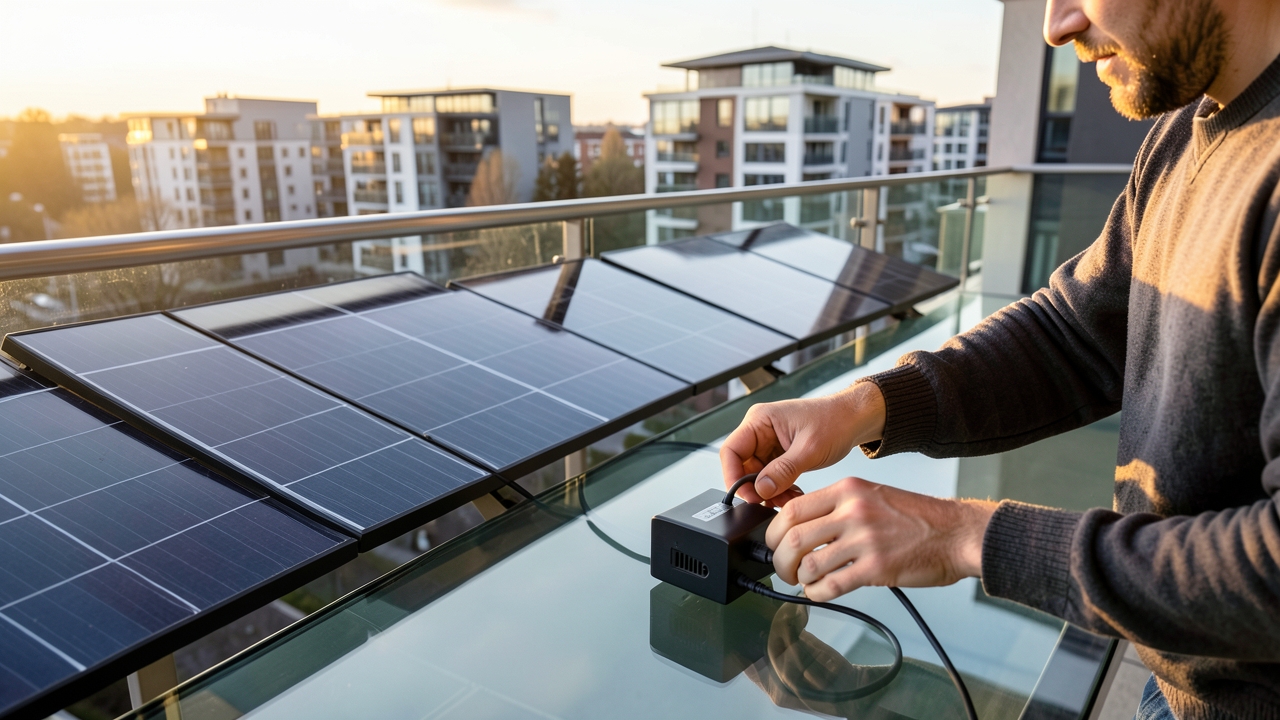
Living in a flat doesn’t mean you can’t harness solar power. In 2026, the UK government continues its support for home renewable energy through a VAT relief scheme. This is excellent news for renters and leaseholders wanting to install plug-in balcony solar panels. Understanding how to claim VAT relief balcony solar systems can save you hundreds of pounds upfront. This guide walks you through the entire process step by step.
Understanding the 0% VAT Scheme for Solar Panels
The government has reduced the VAT rate on energy-saving materials to 0% for residential properties. This scheme, extended until at least 31 March 2027, aims to make green technology more accessible. Crucially, it applies to materials and installation costs. For balcony solar panels, this means the panels, inverter, and any mounting equipment you purchase qualify. The total cost you pay to the supplier should already exclude VAT.
Furthermore, the scheme explicitly covers properties where you don’t own the freehold. This includes flats held on a lease, shared ownership homes, and rental properties. Therefore, as a tenant or leaseholder, you are eligible. The key requirement is that the panels must be for your own residential use and not for a business.
Are You Eligible? Checklist for Flat Dwellers
Before starting your purchase, run through this quick eligibility checklist. Getting this right ensures you benefit from the 0% rate from the outset.
- Property Type: You live in a residential property in England or Wales. This includes flats, maisonettes, and houses.
- Ownership Status: You own the property, hold a long lease, or are an authorised tenant. Landlords can also claim if they rent out the property.
- System Type: The system must be a plug-in balcony solar kit or a small, fixed installation. It must be intended to generate electricity for your own use.
- Supplier VAT Registration: The retailer selling the system must be VAT-registered and correctly applying the 0% rate. Always confirm this with them before paying.
A Special Note for Tenants and Leaseholders
If you are a tenant, you must have your landlord’s written permission to install any equipment, even plug-in systems. A quick conversation and a simple agreement can prevent future issues. For leaseholders, check your lease terms. Most modern leases permit minor alterations, but it’s wise to inform the freeholder or management company.
Step-by-Step Guide to Claiming Your VAT Relief
Claiming the relief is straightforward in most cases. The responsibility lies primarily with the supplier. However, your understanding of the process ensures a smooth transaction.
Step 1: Find a Compliant Supplier
Shop with suppliers who clearly state their products are sold at 0% VAT for eligible domestic installations. A reputable UK-based company will handle the paperwork. Ask them directly: “Do you sell this balcony solar kit with 0% VAT under the energy-saving materials scheme?”
Step 2: Provide Proof of Eligibility
To apply the 0% rate, the supplier needs to keep a record. They may ask you to confirm the following in writing, often via a simple form:
- That the property is your main residence or a rental property you own.
- That the solar panels will be used for domestic purposes only.
- That you are the individual purchasing the equipment.
Step 3: Review Your Invoice
Before completing payment, check the invoice. It should show the products at their net price, with a line stating “VAT @ 0%”. The total amount due should be the sum of the net prices. For example, a typical 800W balcony solar kit might have a net price of £450. With 0% VAT, this is your final cost. Without the relief, you would pay an extra £90 at the standard 20% rate.
What If I’ve Already Paid VAT on My System?
If you purchased a qualifying system from a supplier who incorrectly charged you 20% VAT, you may be able to reclaim it. This process is more complex. You would need to contact HMRC directly and complete form VAT428. Keep all receipts and invoices. However, the simplest route is to ensure your supplier applies the correct rate at the point of sale.
Important: The 0% VAT rate applies to the supply and installation of energy-saving materials. It does not cover additional electrical work or building modifications not directly related to the solar panel installation.
The Bigger Picture: Energy Savings and Earnings
Claiming the VAT relief is just the first step. Once installed, your balcony solar panels will start generating free electricity. This directly reduces the amount of energy you need to buy from the grid. In addition, under the Smart Export Guarantee (SEG), your energy supplier may pay you for excess electricity you export. While balcony systems are small, every kilowatt-hour (kWh) exported adds up. According to guidance on GOV.UK, you must have a smart meter to receive SEG payments.
Furthermore, reducing your reliance on the grid protects you from volatile energy prices. The peace of mind and energy independence are valuable benefits beyond the immediate financial savings.
Common Questions and Final Thoughts
Many flat dwellers wonder if plug-in kits are truly “installations” under the scheme. Yes, the supply of the complete kit for domestic use qualifies. Another frequent concern is permission. Remember, obtaining landlord consent is a separate, practical step to a successful installation, not a barrier to the VAT relief itself.
Claiming VAT relief on balcony solar panels is a fantastic opportunity for UK flat residents in 2026. The process is designed to be simple, putting the responsibility on the supplier. Your role is to choose the right product, confirm your eligibility, and verify the invoice. By doing so, you can reduce your upfront cost by 20% and start your journey towards greener, cheaper energy. Have you considered how a small balcony system could impact your energy bills? Share your thoughts in the comments below.
Ready to explore your options? Discover our guide to the best balcony solar panels in the UK to find a system that suits your space. For more ways to save energy at home, check out our overview of affordable home EV chargers.
Balcony Solar Savings Calculator
See your annual savings, export income and payback time — free, no sign-up.